Space science
China plans to explore the Moon's dark zone
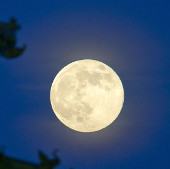
China's Hang Nga 4 spacecraft is expected to land in the dark areas of the Moon before 2020.
Explore astronomy, NASA missions, planets, galaxies, the Moon, the Solar System and discoveries that expand our understanding of the universe.
8,698 published items in this category and its subcategories.
China's Hang Nga 4 spacecraft is expected to land in the dark areas of the Moon before 2020.

A space technology billionaire said it could accelerate the warming process of Mars, turning it into a habitable place with nuclear weapons.
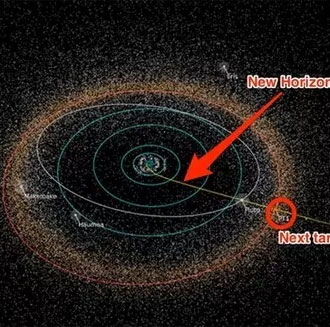
NASA will begin implementing the diversion direction of New Horizons in October. It will turn to PT1 at a distance of 4 billion miles from Earth.
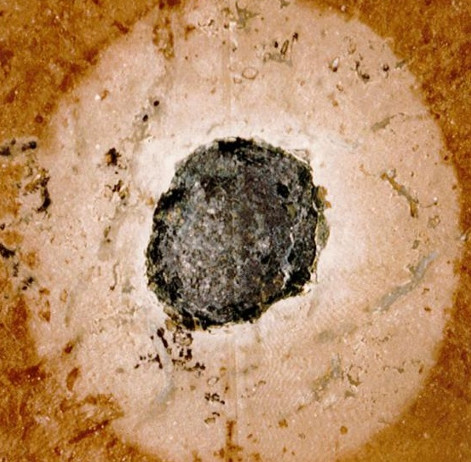
Swedish scientists first discovered a unique double hole created from two meteorites that fell to Earth at the same time 460 million years ago.
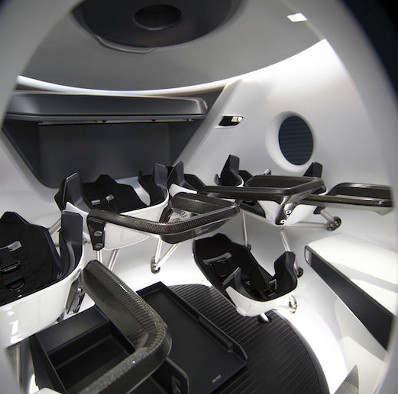
Last year, SpaceX said it was developing the Crew Dragon spacecraft to transport astronauts to the ISS international space station and now officially announced the first…

Scientists believe that humans have many ways to warm Mars to become the Second Earth, where humans can live.
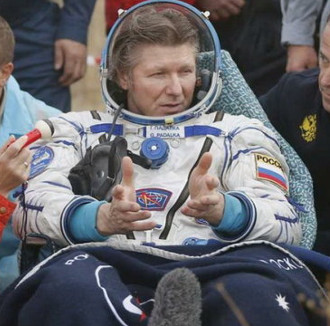
On September 12, Russian astronaut Gennady Padalka safely returned to Earth with two other astronauts on the International Space Station (ISS) after breaking the longest…
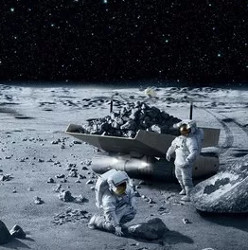
Human ambition in exploiting the universe is unlimited.
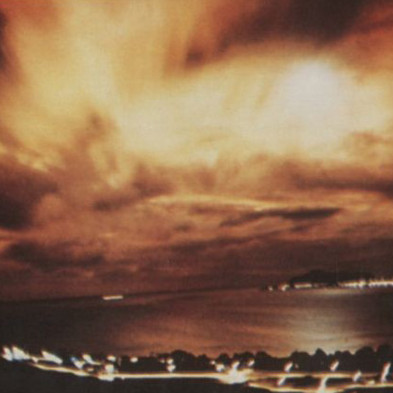
The secret letter revealed that the first British satellite cause of Ariel-1 was broken after an American nuclear test.
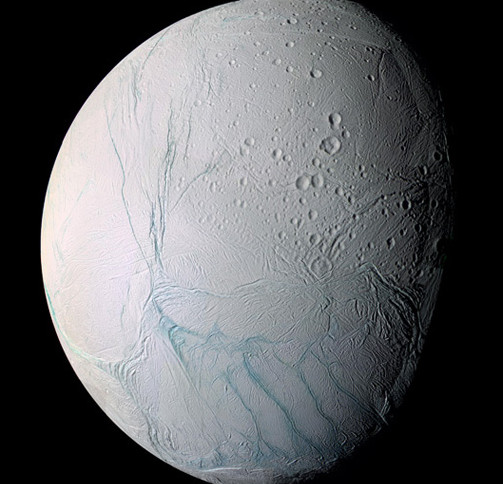
In Saturn's moon Enceladus may contain an ocean - NASA's new discovery after years of image analysis recorded by Cassini.
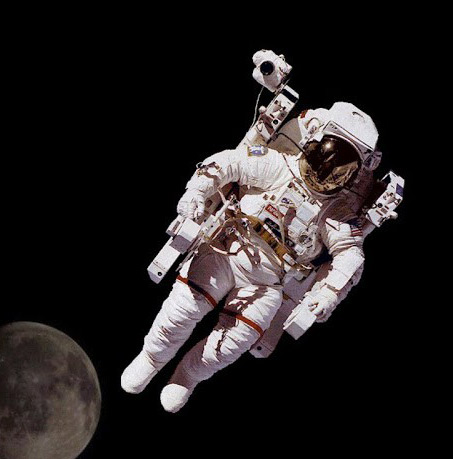
Basically, he will be turned into dry ice in the icy vacuum of the universe. Water in the body turns ice and eventually disappears.
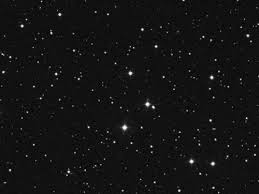
Do you often observe the sky at night, you will see the phenomenon: On cool summer nights, the number of stars in the sky seems more than the stars in winter, the cause…
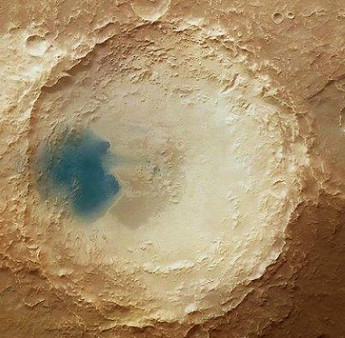
Recently a satellite image of the Red Planet's terrain has accidentally revealed small blue spots on the surface. So what are they and where do they come from?
On a cold January night, sharp stars radiate a sparkling light in the sky, while dawn, another similar planet - the sun - is red like a round fireball. .
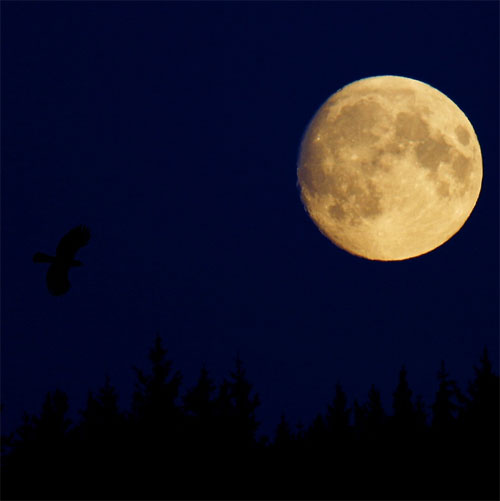
On the morning of September 28 (Vietnamese time), astronomers will at the same time admire 3 interesting natural phenomena: Full Moon, Super Moon and Harvest Moon.