Space science
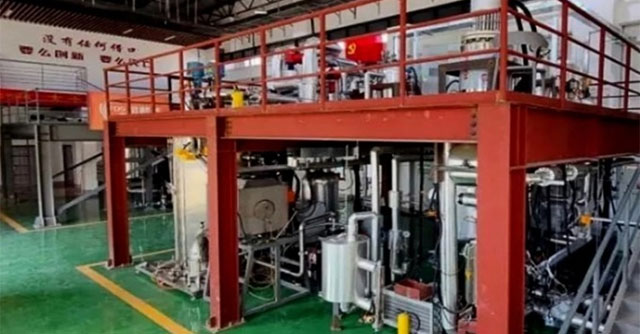
China develops engines to help nuclear spacecraft fly to Mars
Chinese researchers are developing a 1.5 megawatt reactor that will be as tall as a 20-story building when expanded, allowing for round-trip travel between Earth and Mar…
Explore astronomy, NASA missions, planets, galaxies, the Moon, the Solar System and discoveries that expand our understanding of the universe.
8,698 published items in this category and its subcategories.
Chinese researchers are developing a 1.5 megawatt reactor that will be as tall as a 20-story building when expanded, allowing for round-trip travel between Earth and Mar…
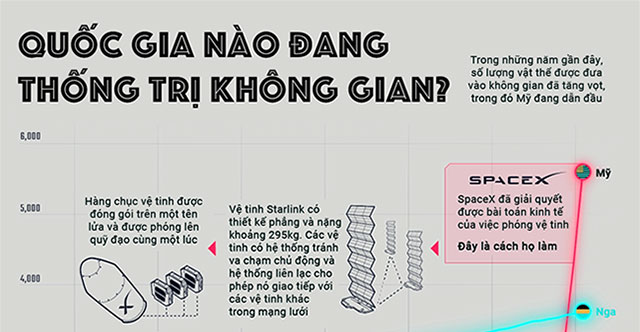
The space race began during the Cold War and from the beginning the Soviet Union dominated the number of devices and objects launched into space.
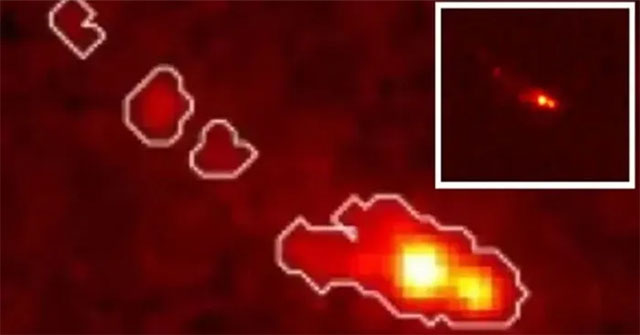
Observations with the James Webb Space Telescope reveal that the Gz9p3 object is indeed one of the oldest giant galaxies in the early universe.
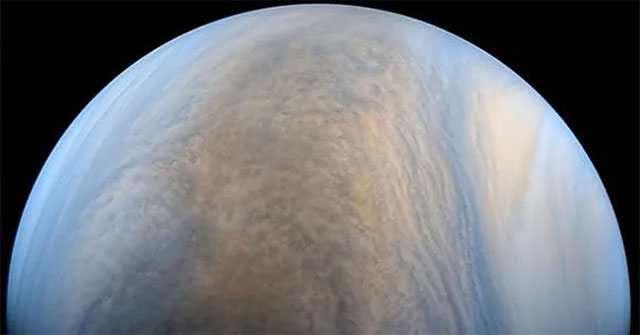
In a surprising way, scientists have proven that life can reside in the deadliest place on Venus: the Acid Cloud Sea.
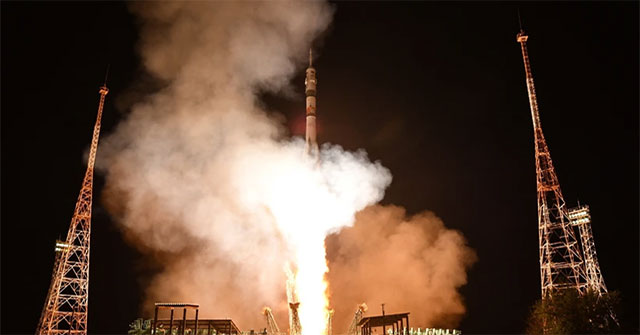
According to experts, this is a problem
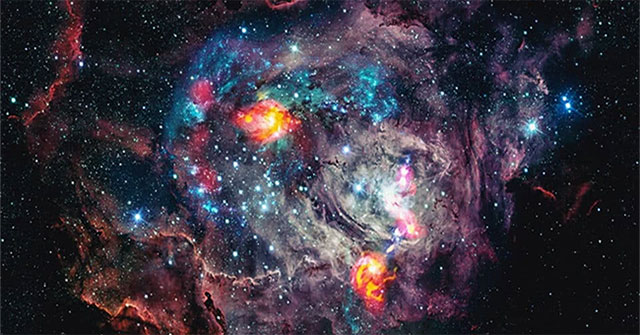
A report by the University of Ottawa (Canada) provides convincing evidence that challenges the traditional model of the universe, suggesting that there may be no place f…
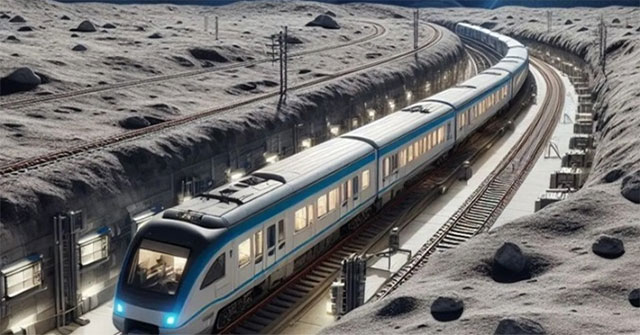
The lunar railway network could carry people, supplies and resources for trade and contribute to the space economy.
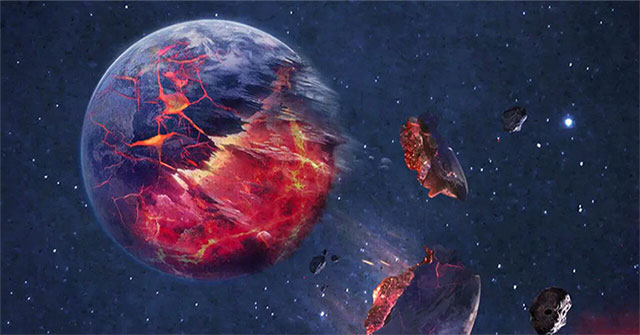
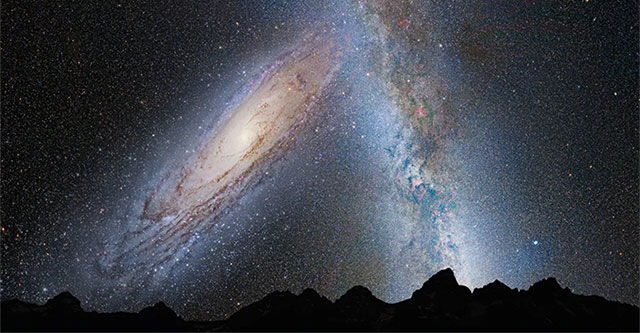
Researchers at Germany's Max Planck Institute for Astronomy have identified 'strong candidates' that could be evidence of the early days of the Milky Way.
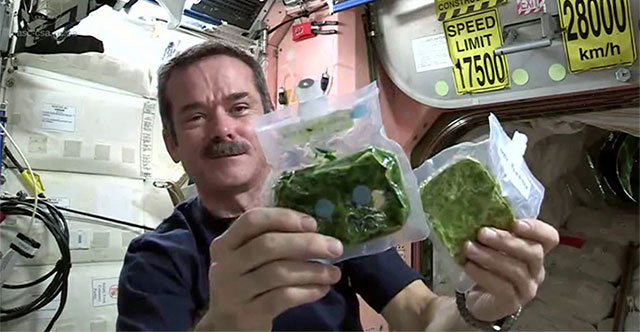
Astronauts must use dry and pre-packaged food to maintain operations. These meals are carefully planned to provide nutrients.
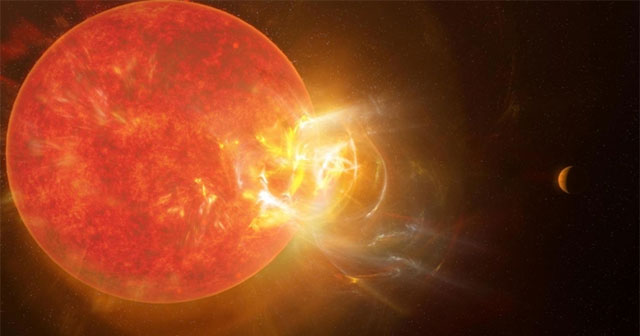
To the naked eye, the night sky has more than 9,000 points of light, but this observable part is only a small corner of the universe.
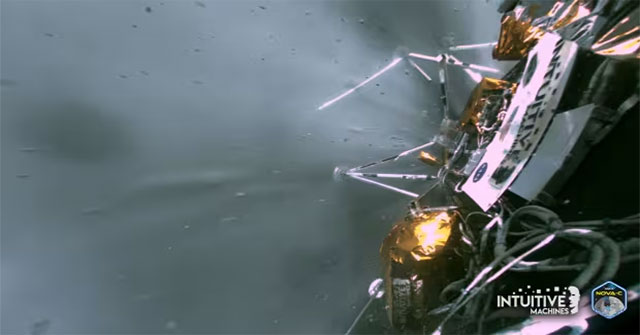
Intuitive Machines announced that the unmanned lander Odysseus was unable to do so
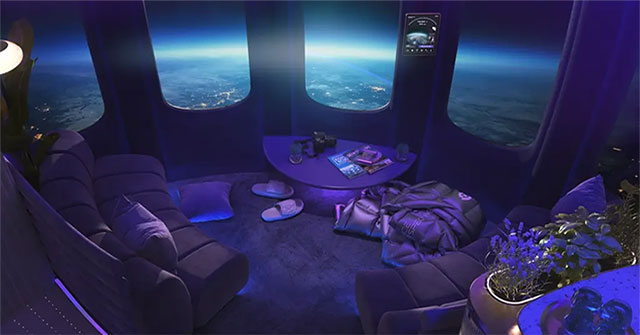
The meals described are priced
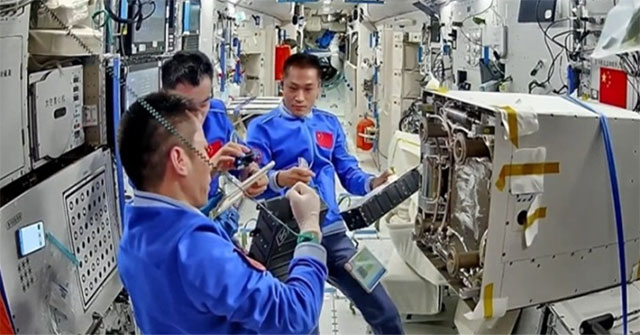
The Thien Cung space station, located 400km above Earth, always has spring-like temperatures, providing an optimal environment for astronauts to live and work.
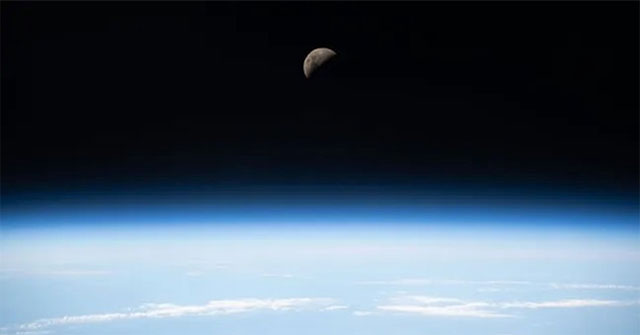
The moon was obscured by the Earth at dawn on March 25. It will then completely obscure the Sun on April 8.