
Photo library
AI photo series simulating human life in 2100
The AI image generator Midjourney has created simulations of what our lives will be like in the year 2100.
Browse ScienceInfo articles and explainers related to 2.
4,161 published items.
The AI image generator Midjourney has created simulations of what our lives will be like in the year 2100.

The Nature's Best Photography (NBP) 2024 international awards have just announced 11 categories and 100 outstanding photos. Among them, many photos of wildlife have impr…
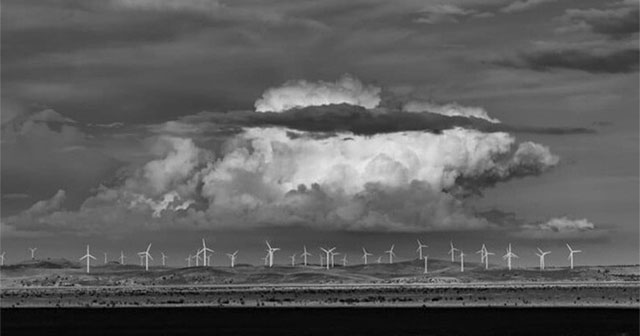
It looks simple, but the picture contains deep meaning sent by the photographer who took it.

Scientist, Professor Nguyen Thi Ngoc Phuong received the 2024 Ramon Magsaysay Award in Manila, Philippines for her contributions to science.
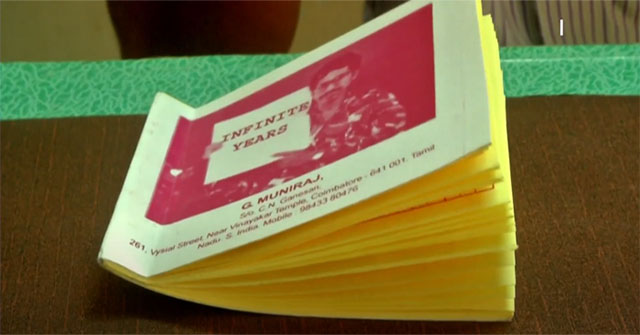
This infinite calendar can help us read the date of any day in the future.
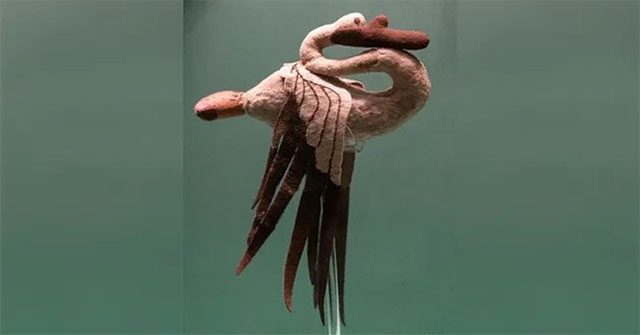
Archaeologists have found a stuffed swan in a burial mound in Siberia. It is believed to belong to the Pazyryk culture, an Iron Age people.
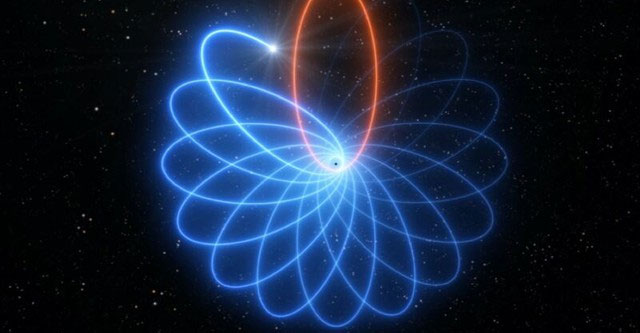
Albert Einstein's general theory of relativity continues to prove its worth, 108 years after it was officially published.
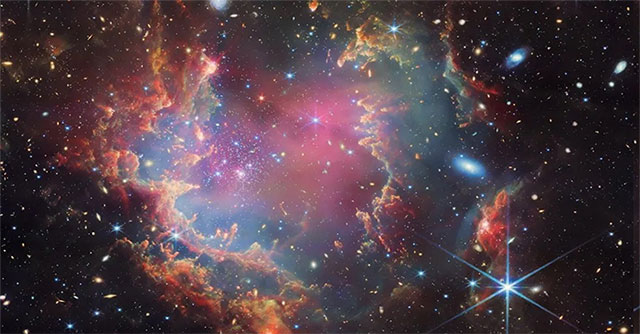
Strange objects recently captured by the James Webb Space Telescope could reveal new secrets of the early universe.
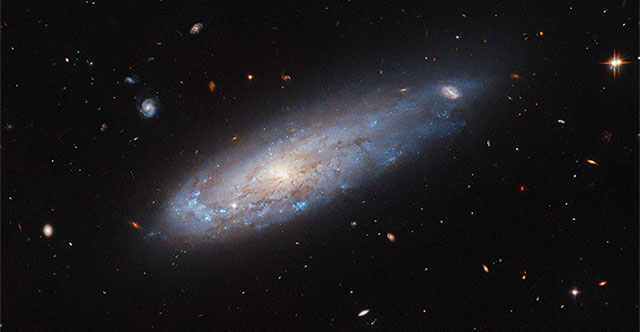
NASA has just released unique images of IC 3225, a giant object that is behaving unusually 100 million light years from Earth.
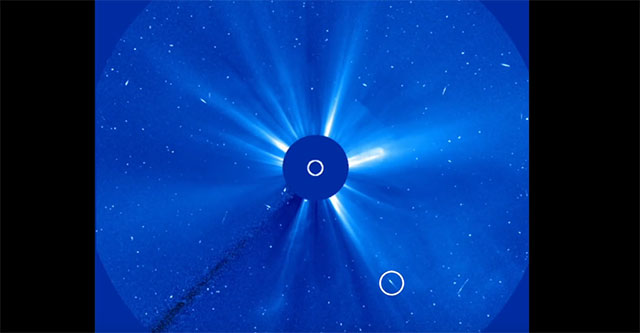
Comet C/2024 S1 (ATLAS), once expected to become a
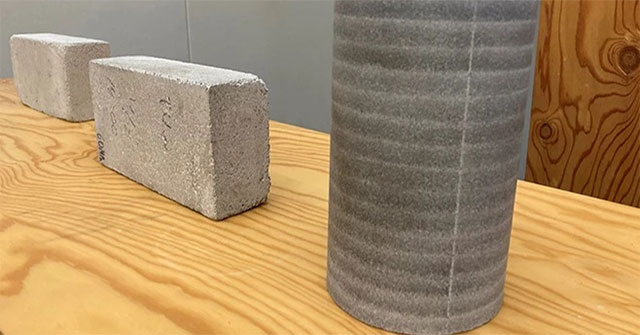
According to a reporter in Tokyo, researchers in Japan have just announced that they have found a way to make concrete that emits almost no carbon dioxide (CO2) during t…
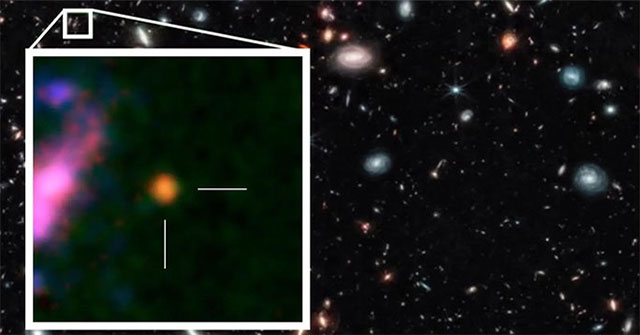
Traveling back more than 13.4 billion years, the ALMA super telescope system located in Chile's Atacama Desert has captured an image of one of the oldest galaxies in the…
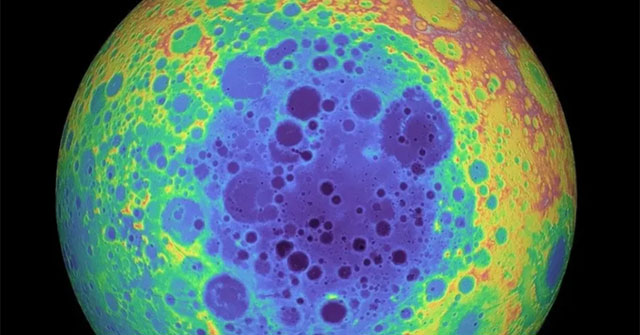
Scientists at the University of Manchester date the South Pole-Aitken basin on the Moon to between 4.32 and 4.33 billion years ago.

Early in the morning of October 30, China launched the Shenzhou-19 spacecraft carrying three astronauts to the Tiangong space station.
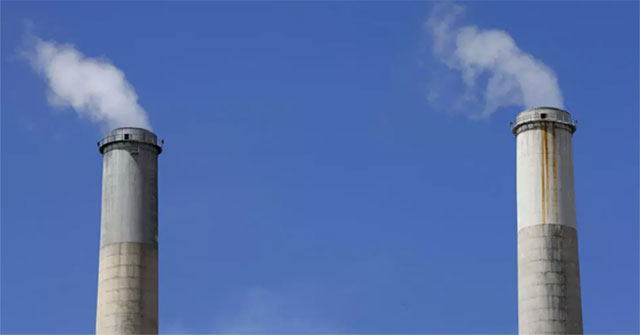
In 2023, average CO2 concentrations will be 420 parts per million (ppm), a 151% increase over pre-industrial levels.