
Life
AstraZeneca announced the reason for recalling COVID-19 vaccine
AstraZeneca said it has begun recalling COVID-19 vaccines worldwide due to 'a surplus of updated vaccines available' since the pandemic.
Browse ScienceInfo articles and explainers related to 2.
4,161 published items.
AstraZeneca said it has begun recalling COVID-19 vaccines worldwide due to 'a surplus of updated vaccines available' since the pandemic.
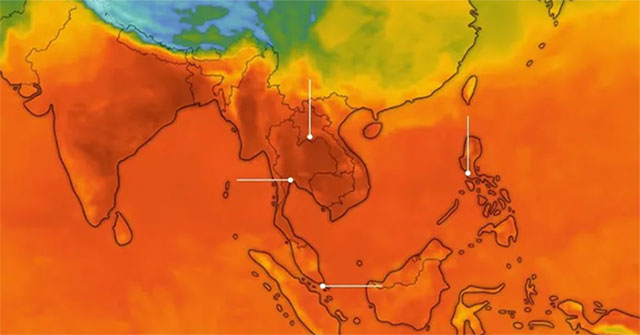
Summer heat hits Asia earlier than usual, killing dozens of people. Experts call this
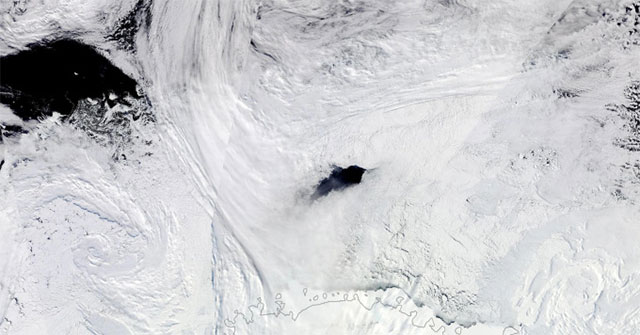
The Maud Rise ice gap formed in open ocean and away from coastal winds, puzzling scientists for years.

The Autonomous Racing League (A2RL) auto racing tournament took place on the Yas Marina racetrack in Abu Dhabi with the victory belonging to the racing team from the Tec…

The 2024 Asia and Short Film Festival will focus on emerging global issues, and screen the first film written entirely by artificial intelligence (AI).

The two companies cooperate to develop batteries for electric vertical take-off and landing aircraft (eVTOL), which take only a few minutes to charge from 30% to 80%.
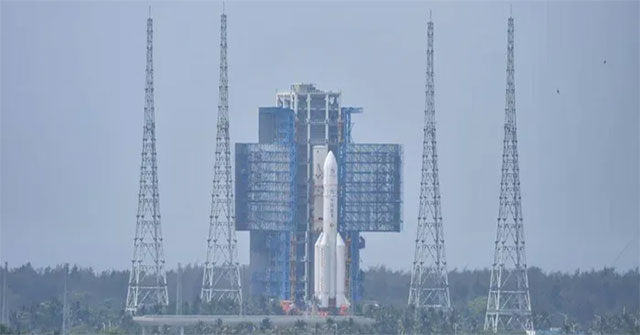
On April 29, China said that its Chang'e-6 spacecraft is preparing to make a round trip to the dark side of the Moon.

The Cat's Paw Nebula is one

Hissar sheep are a rich source of food and also contribute to improving the soil ecosystem thanks to their ability to travel long distances to forage.

The humanoid robot Tiangong is 1.63 m tall and weighs 43 kg, presented at the Beijing Economic and Technological Development Zone on April 27.

The climate crisis is causing severe heat waves around the world, and 2024 could be the peak of this period.

The Hong Kong Fire Department spent $16 million to buy a self-balancing firefighting boat that can recover after capsizing in just a few seconds.
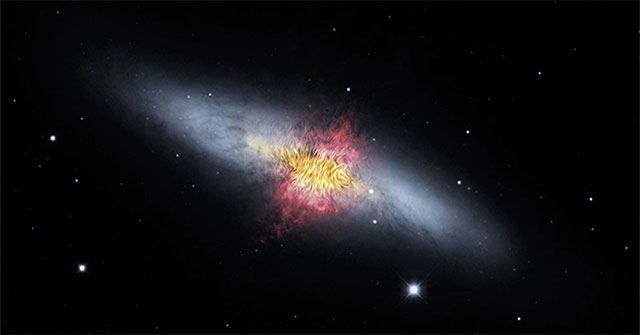
According to research published in the journal Nature on April 24, scientists have detected stellar gamma-ray flares from Messier 82, aka M82.
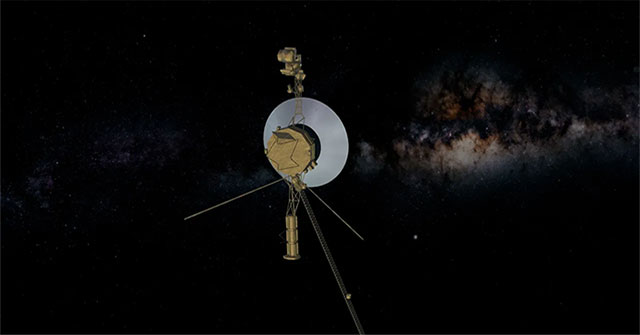
For about 5 months, experts tried every way to fix the error and restore communication for Voyager 1, a ship that had been operating for nearly half a century.
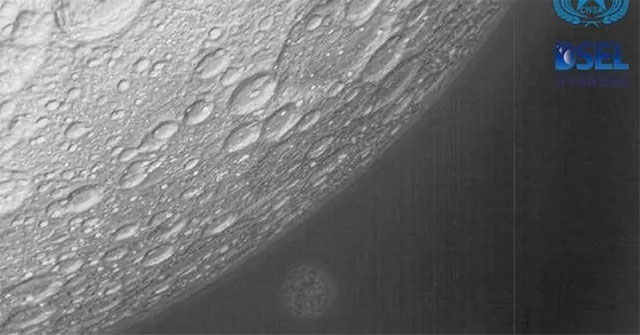
China's experimental lunar satellites Tiandu-1 and 2 are testing lunar navigation and communications technology.