
Discover science
The greatest scientific discoveries of 2010 (Part 1)
Song Dan Dan, the genome editing and the latest scientific research activities (part 1) Science - Technology
Browse ScienceInfo articles and explainers related to 2.
4,161 published items.
Song Dan Dan, the genome editing and the latest scientific research activities (part 1) Science - Technology

Arktika icebreaker is more than 173m long and 33,500 tons of displacement, can break 3m thick ice.

The 60-year-old woman calmly grabbed the python by her hand and put it in a sack with the support of those around her.
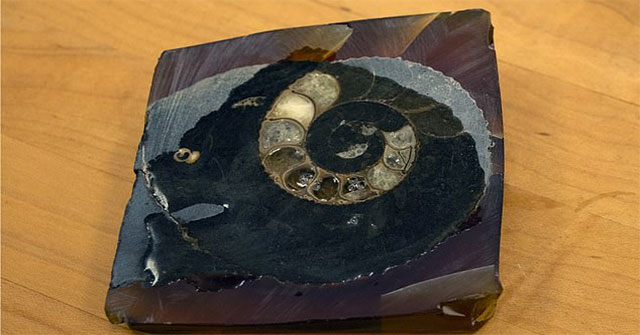
Researchers from Northwestern University in the US conducted research on fossil shells to find the cause of the increasing pollution of the Earth.

Scientists found numerous animal mummies and many other valuable relics in an ancient Egyptian tomb dating back thousands of years.
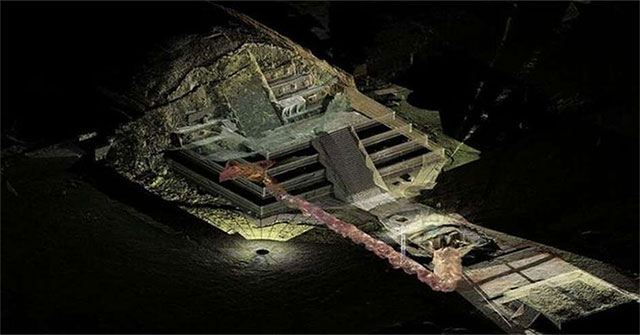
Experts say the tunnel under the Teotihuacan pyramid will never be open to the public.
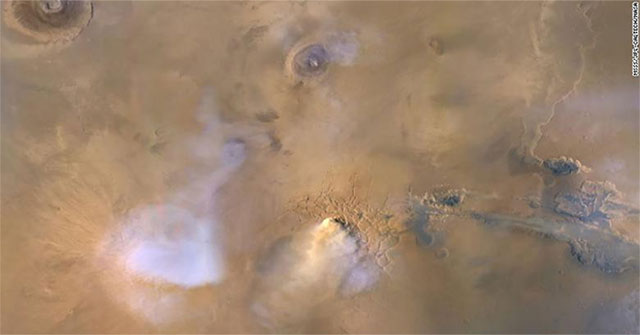
The discovery of frozen water just 2.5 cm below the surface of Mars could open the door for humans to set foot on the Red Planet in the near future.

Friday night at dawn on Saturday (December 13-14), astronomy lovers will have a chance to admire the Geminids meteor shower

The world's first all-electric commercial airplane to have a test flight in the Canadian city of Vancouver.

Football is a sport that requires speed, strength, endurance and strategy, but surely good ball control also requires physical understanding.

Archaeologists are like 'digging gold' when they accidentally discovered 2,000-year-old Egyptian mummies exposed beneath the hot, thick sand.

A color that creates a sense of peace, reduces anxiety for all of us heading towards a new decade, a new era.
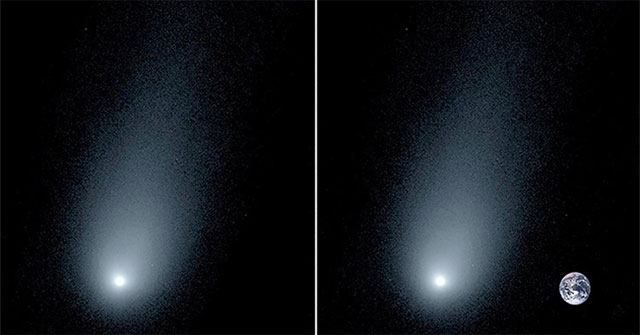
Astronomers will have the opportunity to observe 2I / Borisov, comets coming from other star systems, at the most detailed level ever.

The launch on December 7 set a new record for China's aerospace industry for the ability to quickly launch orbit satellites.
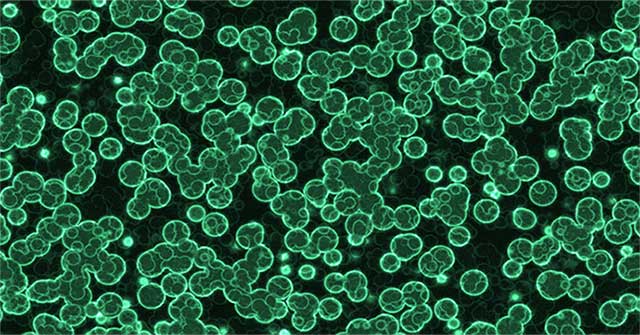
After 10 years of research, experts from Israel's Weizmann Science Research Institute (WIS) developed a bacterium that only absorbs carbon dioxide (CO2).