Discover science
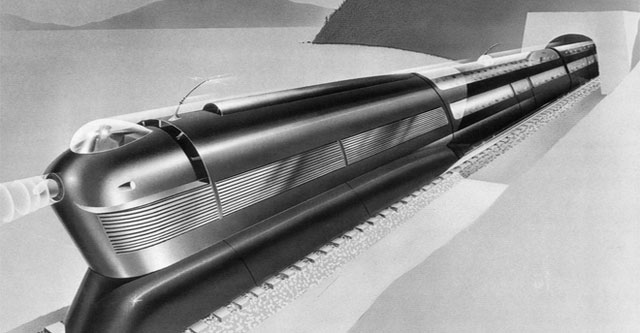
Future technology in human imagination 1955
Some of these imaginary technologies have become very familiar today.
Browse ScienceInfo articles and explainers related to AI.
17,616 published items.
Some of these imaginary technologies have become very familiar today.
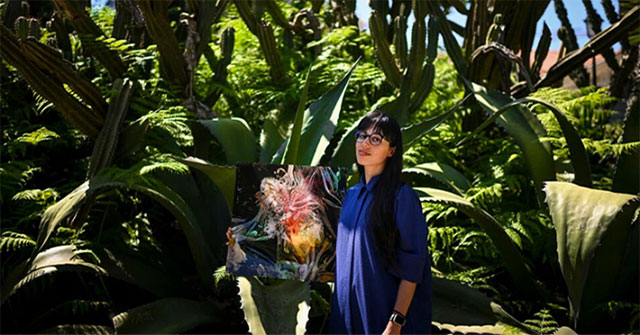
Artificial intelligence (AI) promises to be the next breakthrough in art, but human creativity still plays a central role.
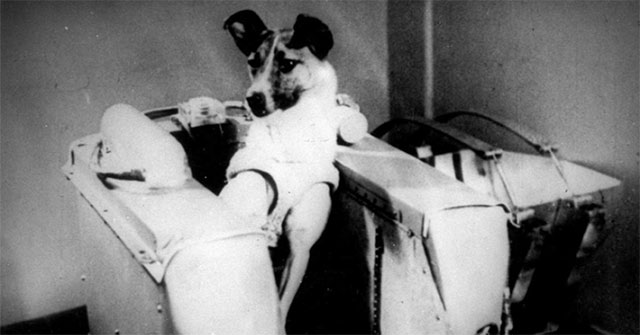
From a stray dog, Laika was chosen to become the first living creature in the 'suicide' flight, orbiting the Earth aboard Sputnik 2 in 1957.

In today's development era, people pay more attention to improving the quality of life. Accordingly, tourism has become a trend.
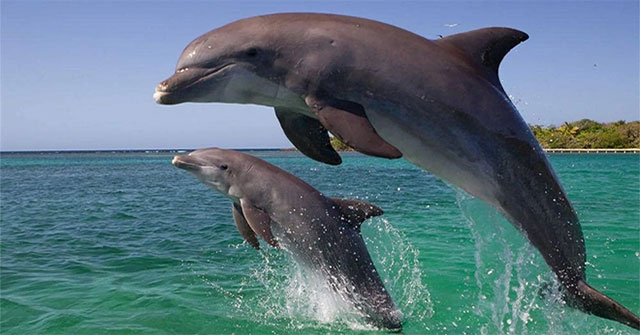
Each school of dolphins has small groups that function as babysitters, including mothers and baby fish. Female dolphins even care for the offspring of other mothers.

Tesla CEO Elon Musk says that maybe AI is the biggest risk facing human civilization.

Blood rain is the phenomenon of water falling from the sky like rain, but red like blood. This phenomenon has appeared in several regions of the world.
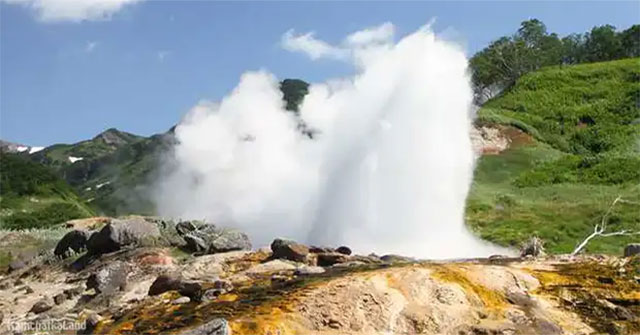
This stunning valley is considered one of the most striking geographical discoveries of the 20th century.
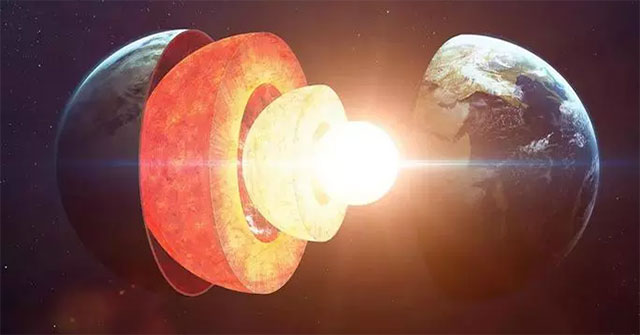
Scientists have found shocking evidence that the Earth's layers do not form a tightly bound sphere.
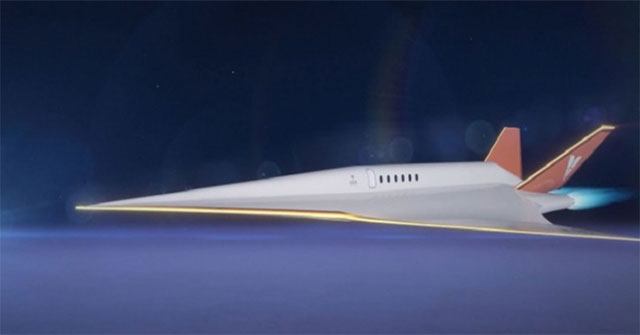
At the UP Summit in Bentonville, Arkansas, startup Venus Aerospace showcased its first supersonic vehicle design, the Stargazer.
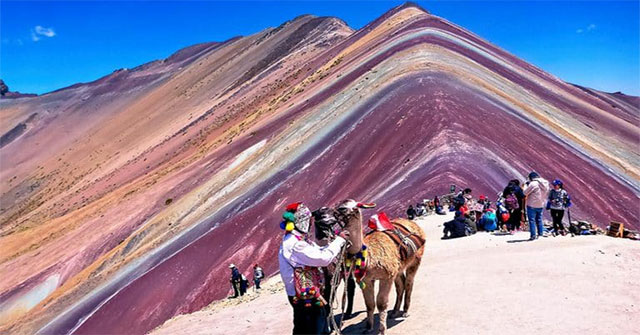
In addition to being famous for Machu Picchu or the Inca empire, the country of Peru also has a natural wonder that moves people.
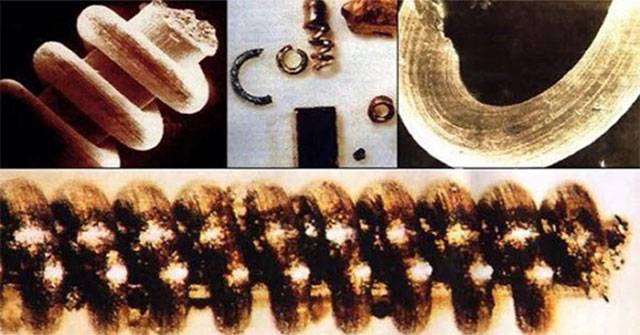
Something as sophisticated and complex as nanotechnology could not have been developed without the structure of atoms and the microscope as a premise.

In the tributary of Truong Giang, there is a very special tributary, every time it rains, it becomes a red river. Is there such a miracle?

Right on the night of the room with the beauty Ildico, Attila - the tyrant of the Xiongnu died. After his death, he was buried at an undisclosed location.

China has released a new topographic map of the Moon with the most detailed 1:2,500,000 scale to date, revealing a variety of rocks and impact craters.