Discover science
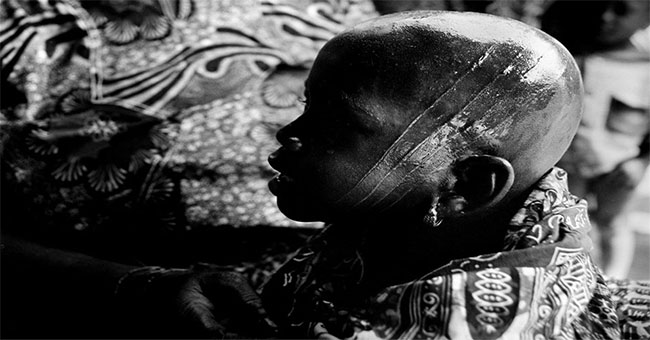
The custom of the African tribe's scary children's head carving
Using sharp objects such as stones or glasses, an African tribe slashes children's skin from an early age to mark each person's identity.
Browse ScienceInfo articles and explainers related to Africa.
721 published items.
Using sharp objects such as stones or glasses, an African tribe slashes children's skin from an early age to mark each person's identity.
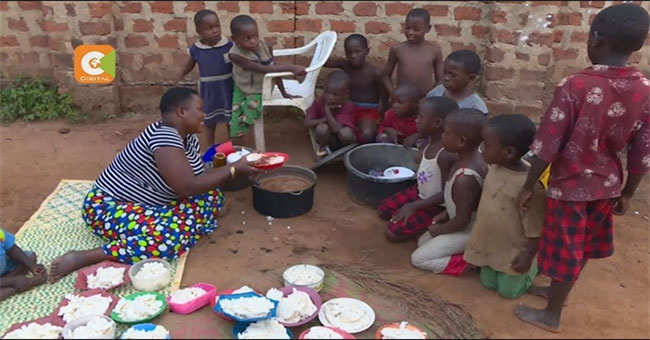
It is Mariam Nabatanzi (born 1981), who is from Kabimbiri village, central Uganda, although she is not yet in her 40s, but has 44 children, an updated page of the Americ…
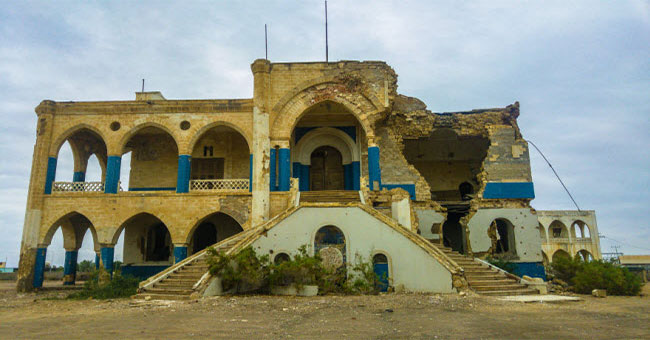
Eritrea is a famous small country located on the Red Sea coast and is considered the most mysterious country in Africa.
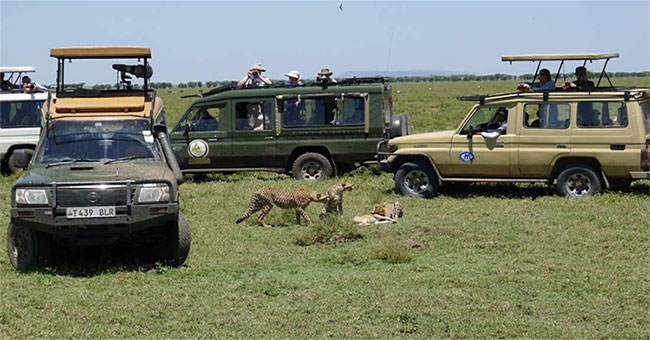
Wild tours are a way for people to have a direct view of the life of wild animals. Better understand, and thus contribute to protecting them.
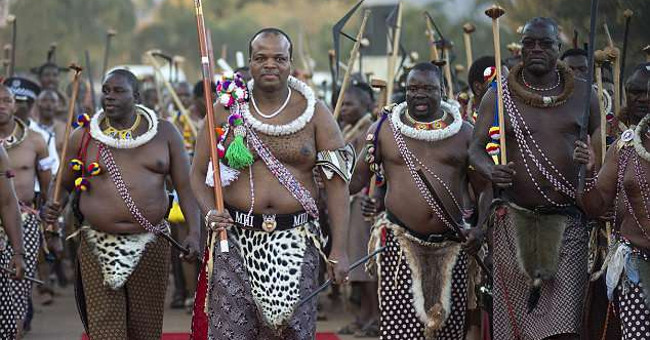
Swaziland, an African country interspersed between South Africa and Mozambique, has officially changed its country name on the 50th national day.
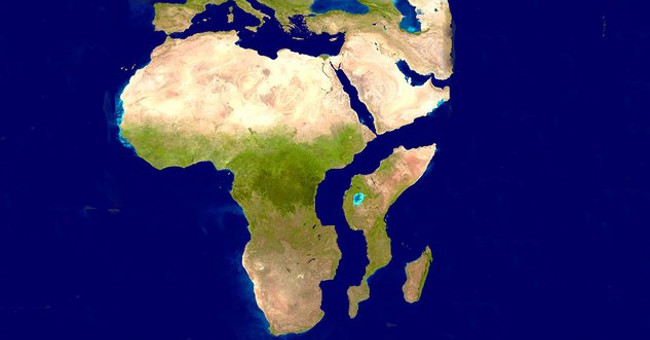
The above cracks are still growing, leaving a part of the Nairobi - Narok highway destroyed, accompanied by seismic activities in the area.
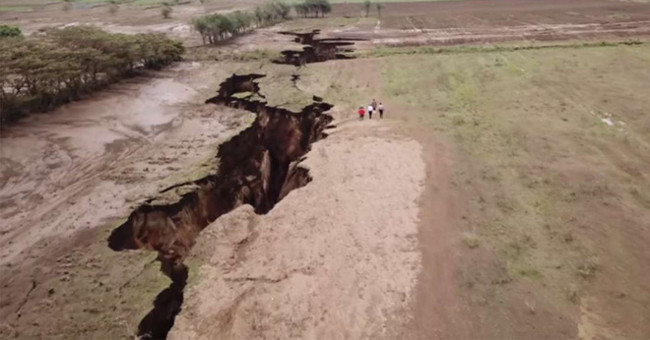
Recently, social news sites have posted a large crack image in the Rift valley area (Narok County, Kenya). As noted, the crack is 15m deep, 20m wide, and is growing long…
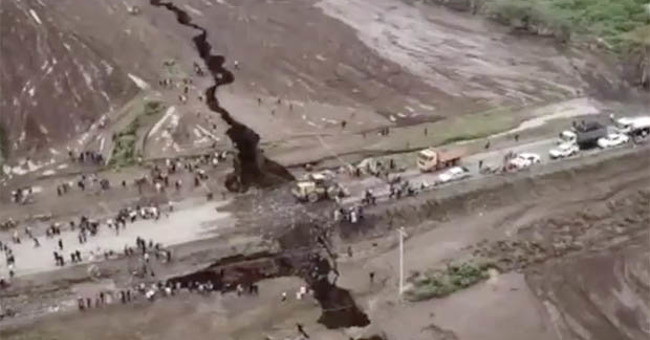
According to the Daily Star, the video shows a large crack in Kenya's Rift valley area. The crack destroyed a main road and a 72-year-old woman's house.
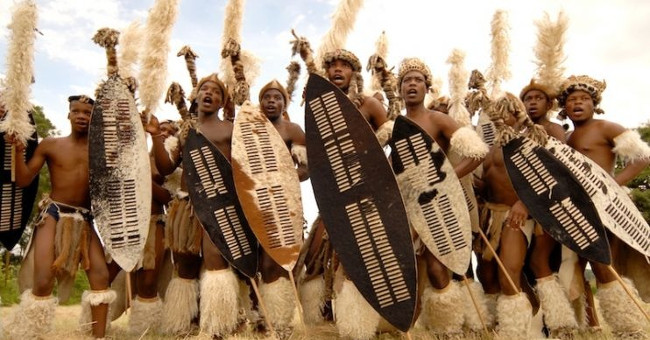
When the doctor explained that men do not have hymen, the Zulu people said:
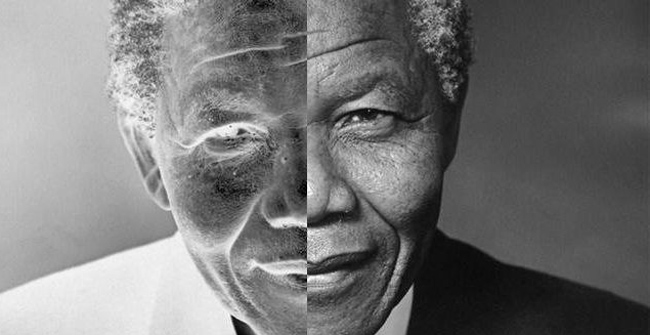
What is the effect of naming the first president of South Africa? And it turns out, a lot of people have encountered it without knowing it.
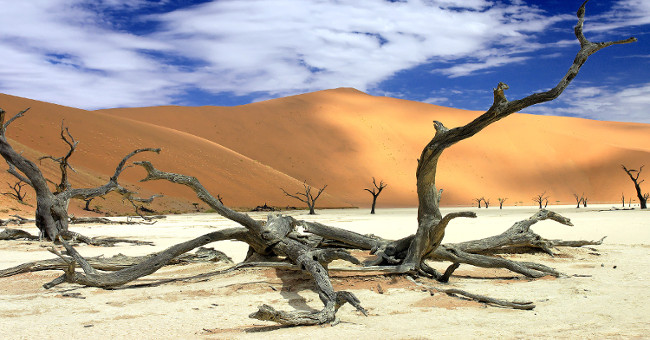
Speaking of Africa, most people think of it as a dry land with hot desert and black tribes. But is that all about Africa?
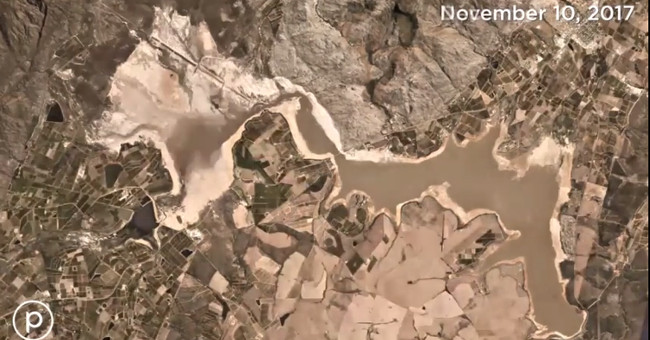
The latest images from NASA satellites for water levels at Theewaterskloof hydroelectric dam, the largest reservoir in South Africa's Cape Town capital are at an alarmin…
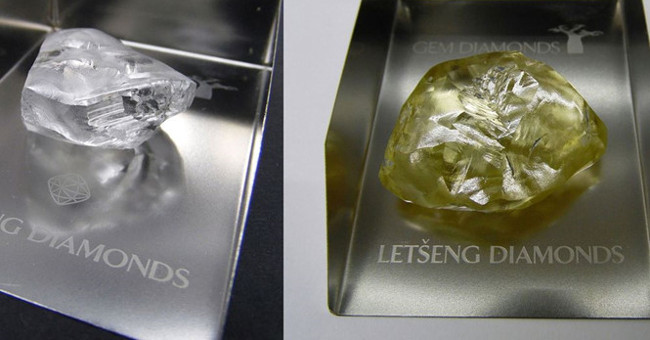
Gem Diamonds has discovered two heavy diamonds, each weighing over 100 carats, at the Letseng mine in Lesotho, southern Africa.
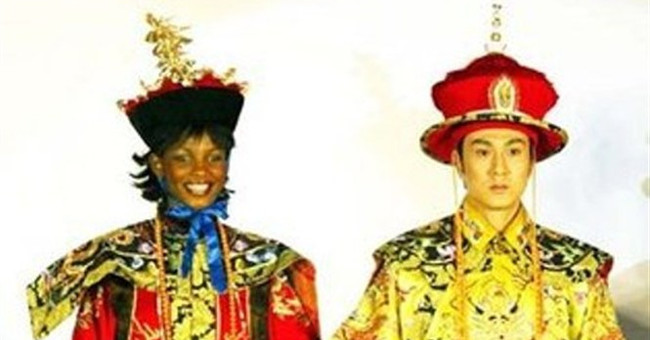
The history of Chinese feudalism recorded a single person of African descent, a poor family but became the emperor of Dong Tan for a special reason.
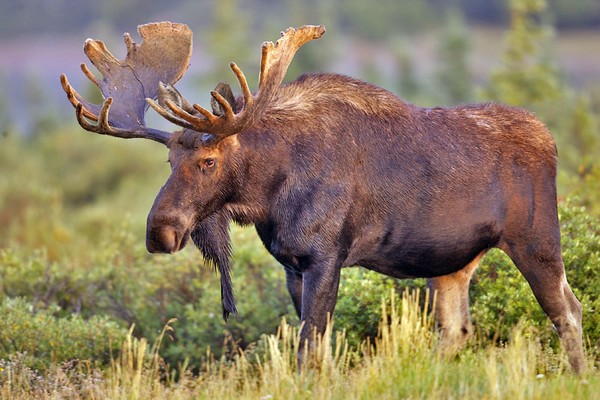
Without the natural destruction of humanity, the Earth would be far different from now.