Archeology
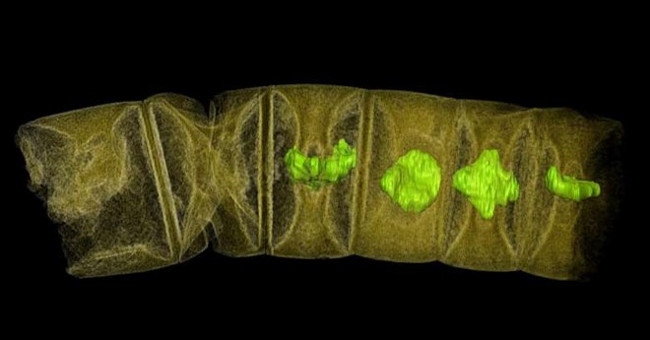
The 1.6 billion year fossil shook the theory of life on Earth
Two red algae-like fossils are believed to be the oldest plant fossils ever found on Earth, shattering the hypothesis of life history on the green planet.
Browse ScienceInfo articles and explainers related to Algae.
248 published items.
Two red algae-like fossils are believed to be the oldest plant fossils ever found on Earth, shattering the hypothesis of life history on the green planet.

The mysteries associated with a 9 million-year-old whale graveyard in the Atacama desert located next to the Pan-American highway in Chile were finally revealed.
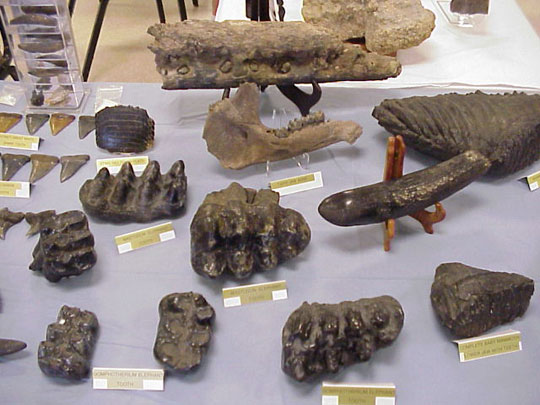
Scientists have discovered a large amount of mollusc creature dating back about 500 million years near Table Mountain, South Africa.

Chinese geologists believe that 1.3 billion years ago, one year of the Earth lasted 540 days, ie 13 to 14 months with 42 days a month and only 15 hours a day. These impr…

British scientists have discovered algae-like fossils in meteorites that fell on Sri Lanka last year.

It is estimated that seaweed and ocean microalgae account for about 9/10 plants on Earth.
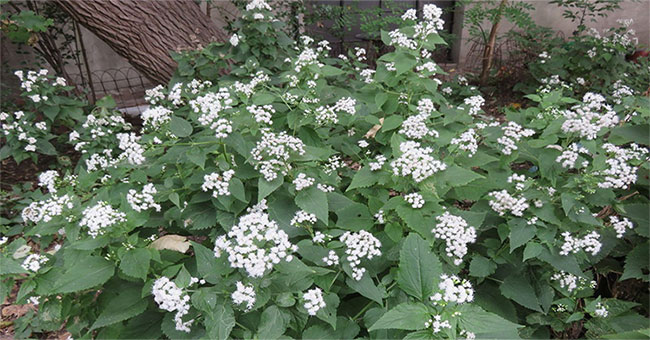
Unlike animals, plants cannot move. So they created themselves extremely dangerous weapons, enough to make every enemy regret it if touched.
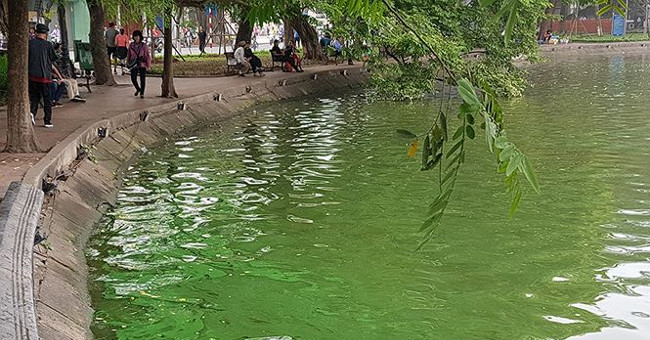
In recent days, the surface of Ho Guom water surface has many large green areas, which are suspected to be blue algae after the dredging period.
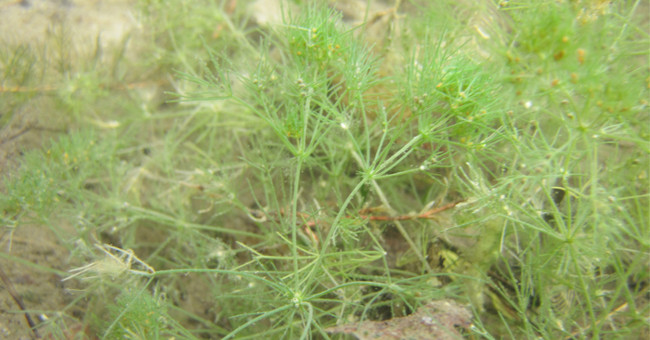
These are large, green algae that provide food and habitat for fish and other aquatic organisms.
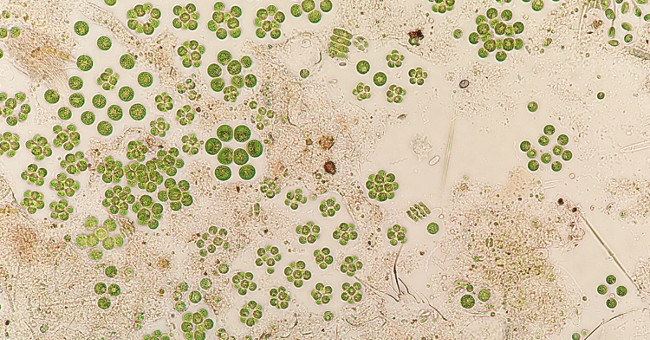
When it comes to the goal of bringing people to migrate to Mars, all of its options lead to a basic impasse.

Russian and some other scientists have observed that algae grow very fast in the lake Baikal since 2011.
Scientists at the Johns Hopkins University of Medicine and University of Nebraska have discovered an algae virus that could affect the brain and make us stupid.
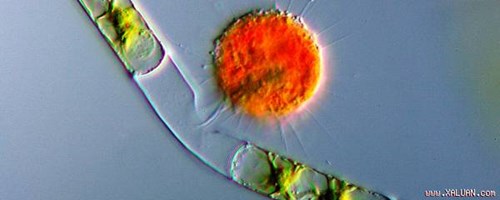
The world's smallest blood-sucking vampire is called Vampyrella. It is a nightmare for all species of algae, bacteria, fungi.
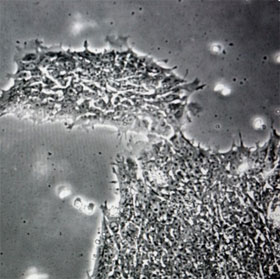
American scientists at the John Hopkins and Nebraska University School of Medicine accidentally discovered a virus in algae that could infect the human brain.
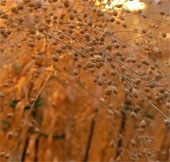
For the first time, a plant containing nutrients in fish oil was successfully bred by genetic modification in the UK.