Archeology
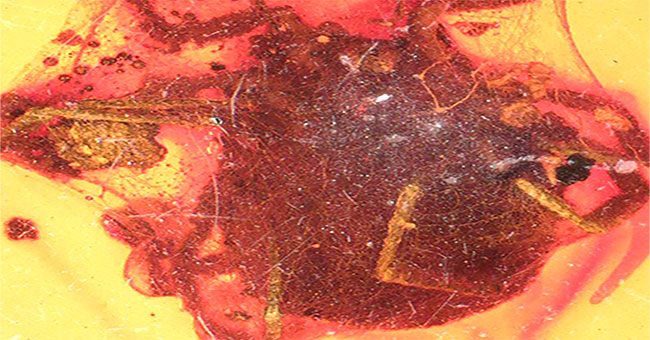
The tick sucks dead blood stuck in amber 100 million years
A group of scientists at the University of Kansas discovered that the body sucked blood in amber from the Cretaceous period in Myanmar, Fox News reported on June 18.
Browse ScienceInfo articles and explainers related to Amber.
98 published items.
A group of scientists at the University of Kansas discovered that the body sucked blood in amber from the Cretaceous period in Myanmar, Fox News reported on June 18.
Usually, these creatures hide in vegetation in hopes
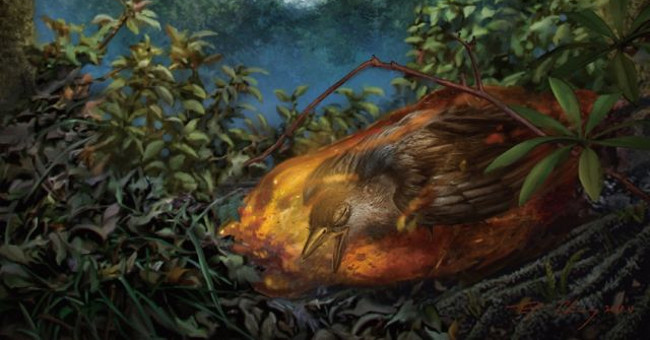
The body pressed by the small bird that lived 99 million years ago was discovered wrapped in a chiseled amber slab in Myanmar, National Geographic reported on February 2.

The nearly intact 100 million year old fossil was found in amber in Myanmar, according to USA Today.
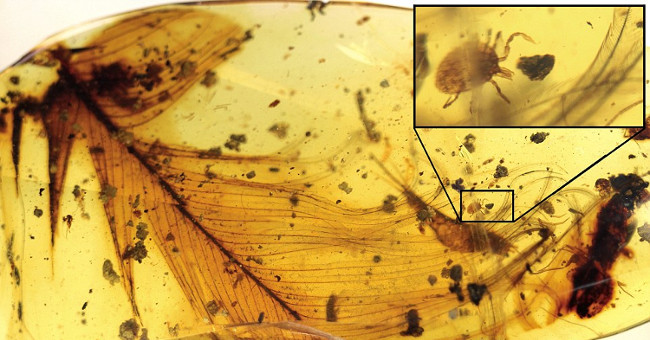
New research by British scientists focuses on an immature tick that clings to dinosaur hairs, die hard millions of years ago inside a tree grave.
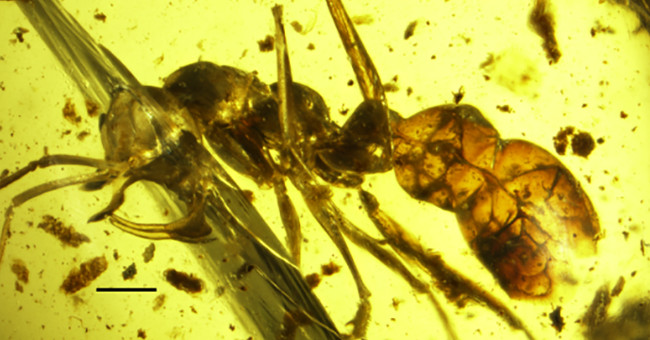
The researchers found a block of amber in Myanmar, inside the body of a new blood-sucking ant that dates back 98 million years, Smithsonianhalang reported September 13.
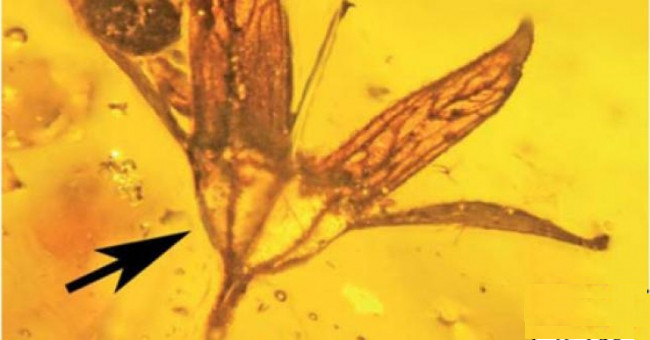
The researchers found transparent amber blocks in Myanmar, which contained seven tiny flowers with a width of 3.4 to 5mm, Phys.org reported on Aug. 15.
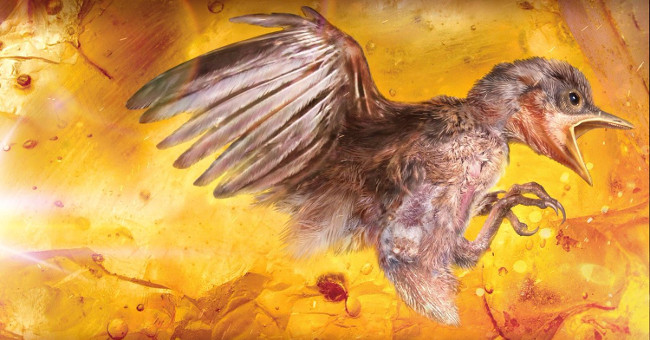
The most detailed view of a bird's life 100 million years ago was revealed through a piece of amber found in Myanmar.
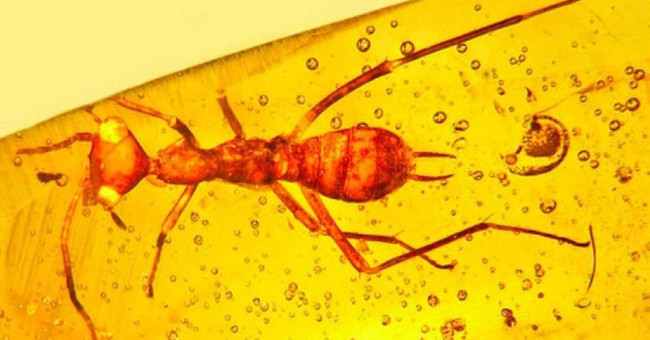
An ancient insect found in amber dating back to 100 million years old with large heads and eyes resembling aliens.
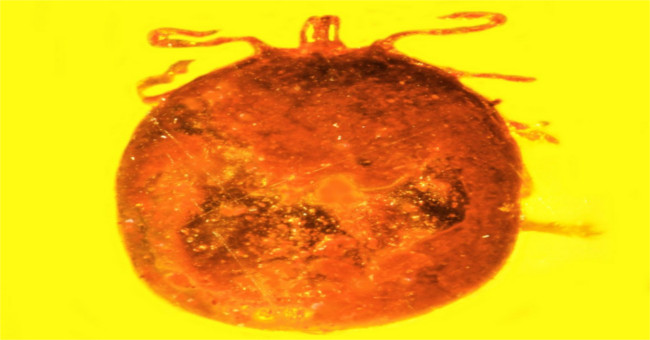
Fossils of a perfectly preserved monkey monkey round flea inside newly discovered amber in the Dominican Republic.
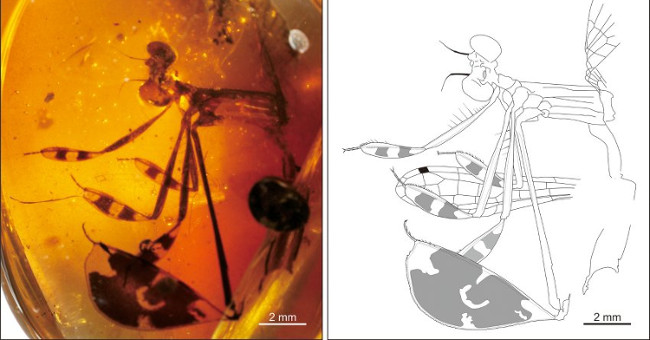
Scientists rarely find a piece of amber that holds the dragonfly remains.
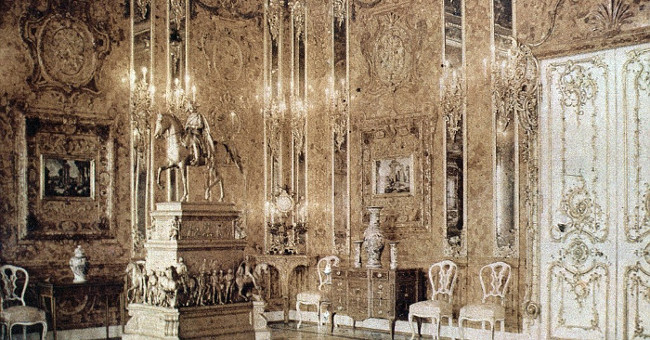
There are Germans today who are still searching for traces of the Amber Room from Nazi palace during the invasion of the Soviet Union in 1941.
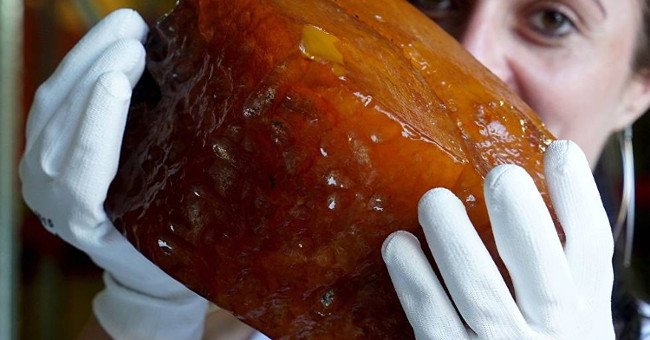
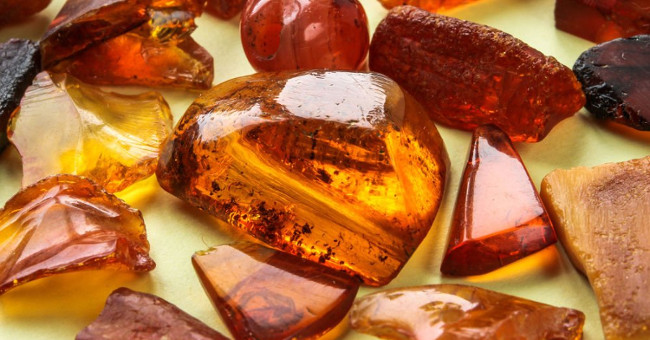
Recently, a company in Russia has discovered consecutive blocks of amber formed from ancient times with beautiful colors.
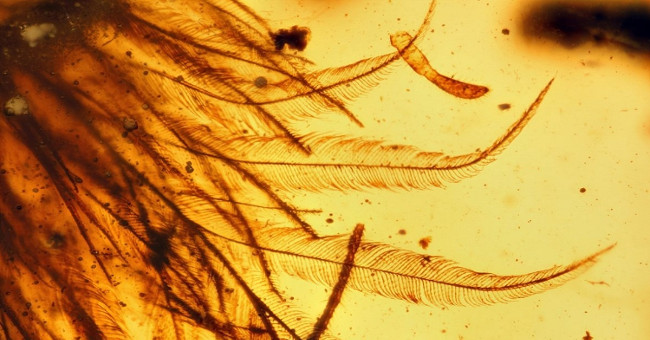
The amber contains dinosaur tails with covered feathers discovered at a market in Myanmar, believed to belong to a small dinosaur that lived 99 million years ago.
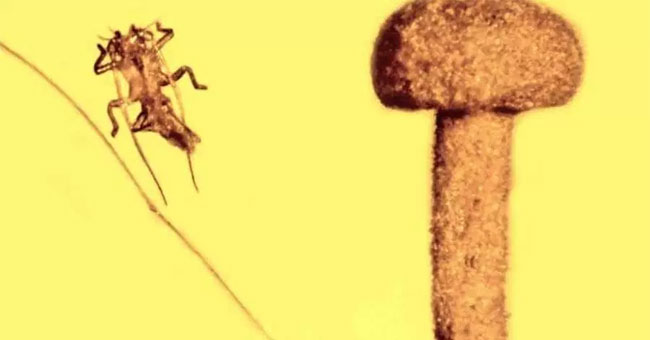
The 50 million-year-old Eocene fungus was discovered in the amber mass, next to the molting shell of an insect and a rodent's hair.