
Oceanography
Finding fish and shrimp living under thick ice in Antarctica
When drilling a small hole in Antarctica, the scientists were stunned to see the fish and shrimp swimming in the eternal darkness at a depth of 740m below the ice.
Browse ScienceInfo articles and explainers related to Antarctic Ice.
51 published items.
When drilling a small hole in Antarctica, the scientists were stunned to see the fish and shrimp swimming in the eternal darkness at a depth of 740m below the ice.
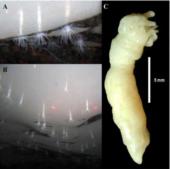
An anemone species was found under the Antarctic thick ice, and became the first marine creature to be discovered to live on ice.

NASA announced it had unexpectedly captured an image of a crustacean living in a water environment 180 meters deep under the ice in Antarctica, where there is no sunligh…
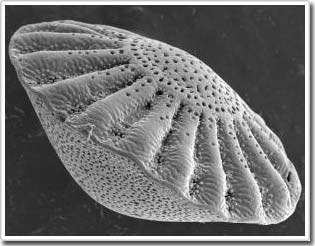
The Cardiff University research team in Earth and Ocean Sciences and scientists from the Amgueddfa Cymru Science Museum in Wales came to Africa to look for new evidence…
The iron meteorite layer beneath the surface of the Antarctic ice sheet can carry a lot of information about our solar system formation.
Scientists discovered bacteria at a depth of 800m, below the Antarctic ice surface. This discovery raises hope, sees extraterrestrial life.
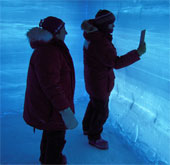
This aphid species was first discovered in 1960, which is evidence of the impact of climate change, when the temperature is warmer.
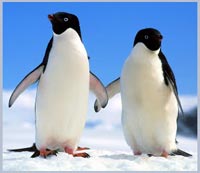
A study shows that if the Antarctic iceberg continues to melt at the current rate, the famous penguin - the emperor penguin - only existed for a century.
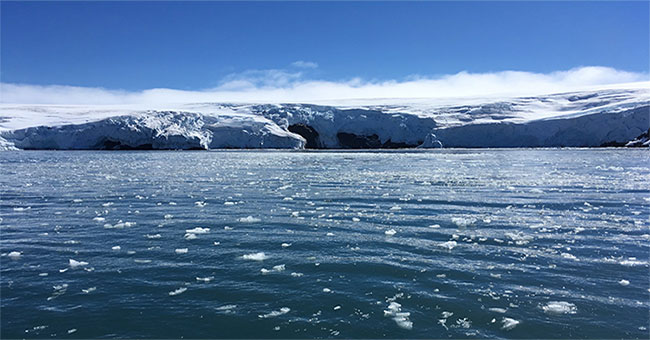
A large area of ice, about 300 km2, is cracked and threatens to separate from the base of the Pine Island in Antarctica.
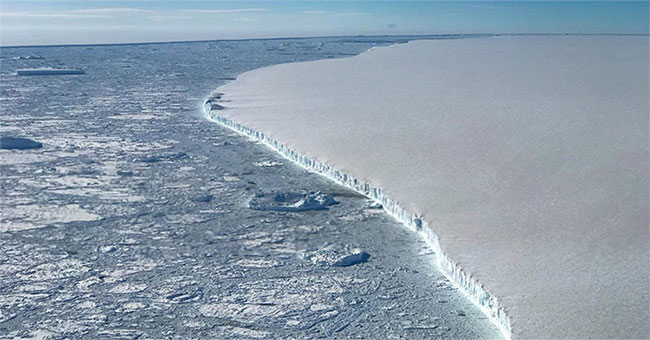
According to the study, Antarctic ice is melting at an alarming rate, with about 2,700 billion tons of ice disappearing in 25 years, from 1992 to 2017.
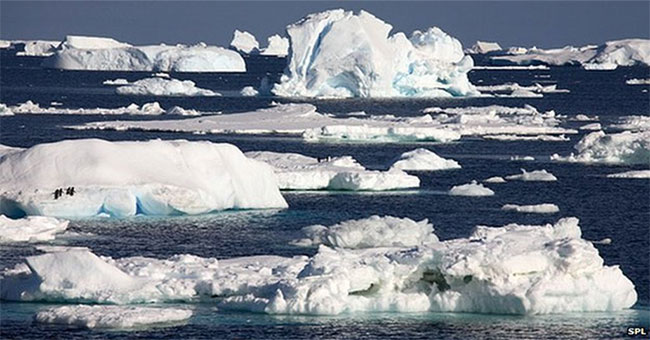
The earth warms, and as a result the ice in the poles is melting. We still know that, and are looking for ways to overcome it.
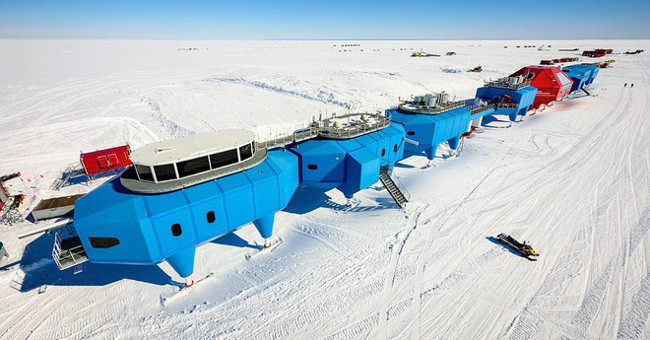
This is the second consecutive winter that Halley Vi station must be closed because of the risk of being stuck between two growing cracks in the floating ice shelf 150 m…
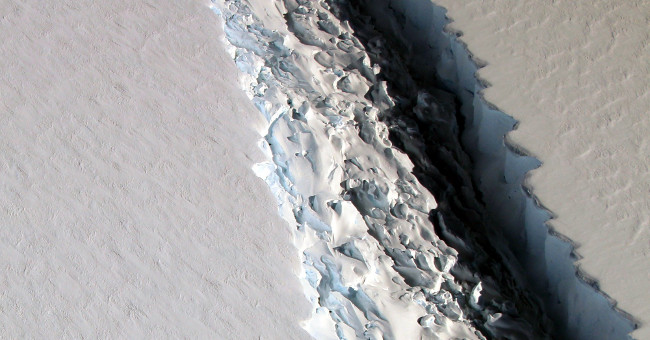
According to the latest information from the European Space Agency ESA, one of the largest icebergs in history is about to drift away from Antarctica.
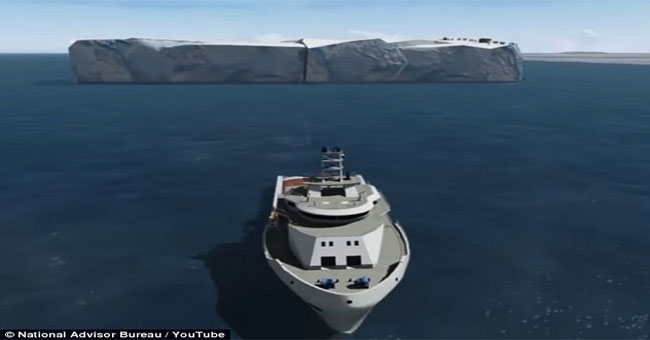
The people of the UAE who are suffering from sunburn will soon be able to drink water from melting icebergs, pulling back from the Antarctic island nearly 9,000km away.
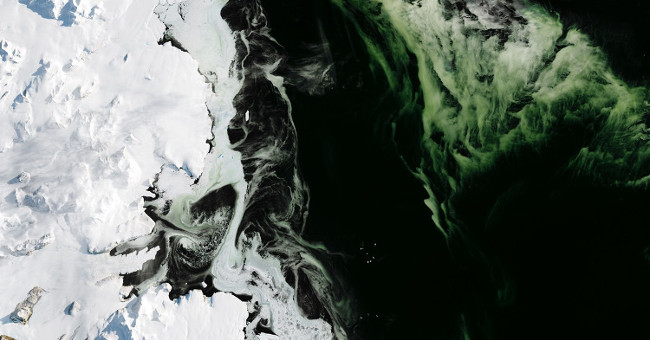
Antarctic ice sheets suddenly appear strange blue. Is this a bad thing?