
Animal world
Japan has just revived a frozen creature after 30 years
Water bears were only revived after 9 years but none of them lasted 30 years.
Browse ScienceInfo articles and explainers related to Antarctic.
441 published items.
Water bears were only revived after 9 years but none of them lasted 30 years.
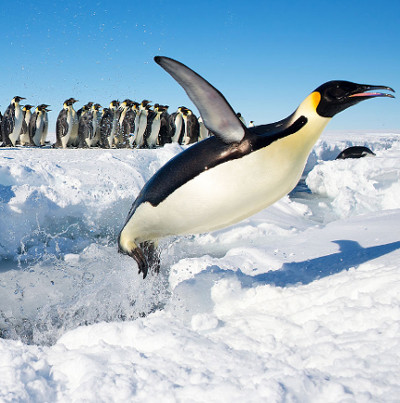
Penguins still function normally in the cold - 50 degrees Celsius of Antarctica without worrying about freezing thanks to some superior waterproof properties.

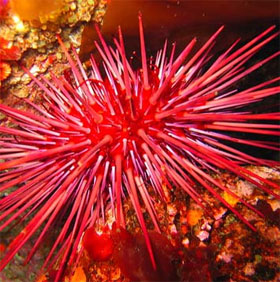
Rare people reach the age beyond 100, but in the animal world, there are species of hundreds, even thousands of years like turtles, sea urchins, sponges ...
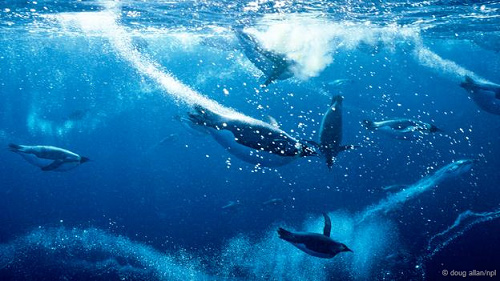
In order to survive in Antarctica, species must have evolved to change their biochemical and shape properties.
The researchers found an Antarctic octopus that possessed exotic blue blood, allowing them to survive under temperatures below 0ºC and even higher temperatures due to gl…
Humans are one of the species with relatively high life expectancy and tend to increase with the development of modern medicine. The advances of science and medicine hav…
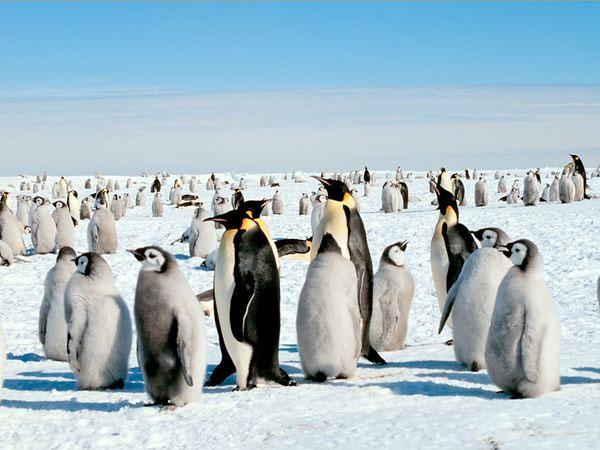
According to a study published April 13 in the journal PLoS ONE, the number of emperor penguins in the South Pole is twice as large. Scientists have described how they u…
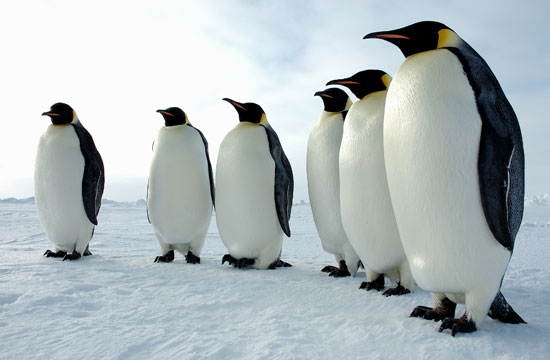
Most researchers think penguins have low visibility in the dark so they don't swim in the water when night falls.
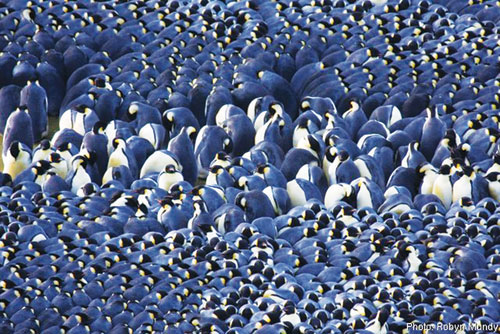
Having chosen to settle in the coldest place on earth, penguins must have a specific
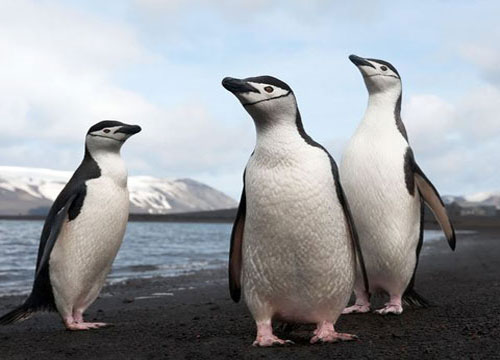
The loss of half of the penguins in the past three decades shows the crisis in the Antarctic marine life, including phytoplankton, mollusks, penguins and whales.
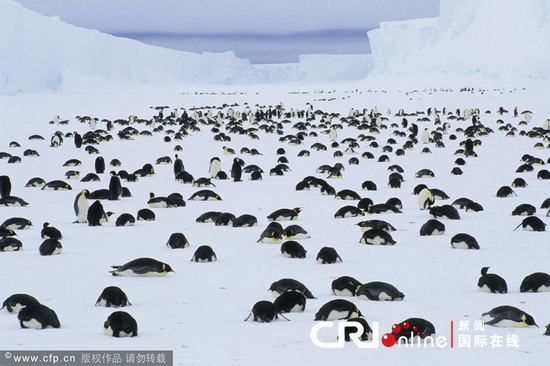
The status of mass death of Antarctic penguins is reflected by photographs of Daniel J. Cox photographer, possibly due to climate change or severe food shortage.
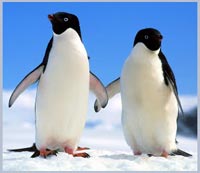
A study shows that if the Antarctic iceberg continues to melt at the current rate, the famous penguin - the emperor penguin - only existed for a century.
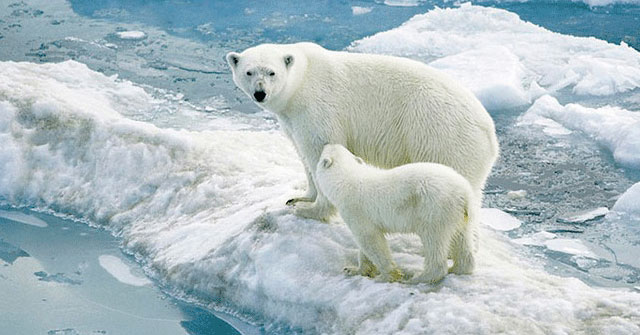
The two polar regions of the Earth, where the climate is always cold, but Antarctica and the Arctic contain many different things.

The giant iceberg was named B-46 by scientists, covering an area of 225km2, larger than the Manhattan (New York, USA) area, estimated by the US National Ice Center.
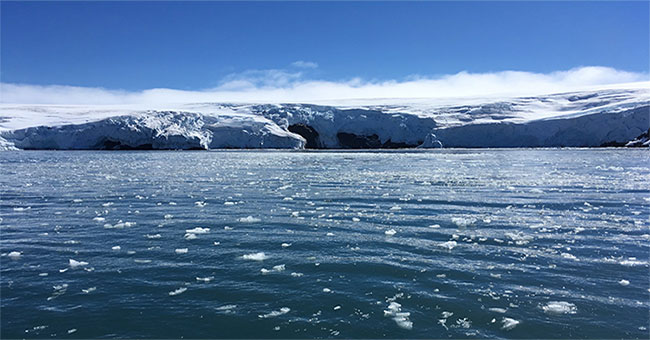
A large area of ice, about 300 km2, is cracked and threatens to separate from the base of the Pine Island in Antarctica.