Photo library
The first images of storms from the Arctic
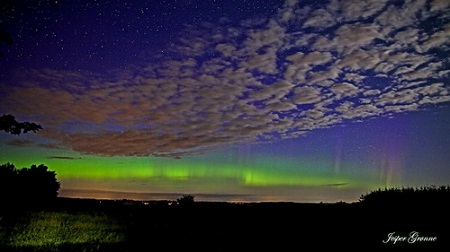
Below is the first picture of the aura of the storm from August 3 taken from Silkeborg, Denmark by Jesper Gronne, using the Canon 5D II.
Browse ScienceInfo articles and explainers related to Arctic.
779 published items.
Below is the first picture of the aura of the storm from August 3 taken from Silkeborg, Denmark by Jesper Gronne, using the Canon 5D II.

The scarce food forces the polar bear to climb the dangerous cliffs to catch young birds and eggs.

Sea elephants fight, white foxes take prey on their prey, and the walrus mother rests on the ice as beautiful images of the two polar regions of the earth.

Arctic foxes can move from the Atlantic to the Pacific for several months.

Global warming is threatening the lives of many animals in the Arctic.

The blue halo shimmering above the surface of the two polar poles (also called Arctic and Antarctic) is recorded by astronauts from space.

Round fat seals with silky smooth fur are captured and killed right on the snow to serve the fashion industry, despite objections from animal rights activists.
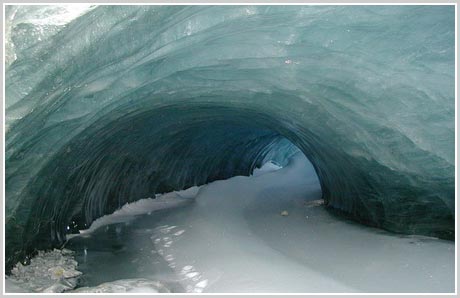
Antarctica is the coldest place on Earth. The gloomy winter in Antarctica lasts from June to September. Then around September 22, the first warm pink rays of spring will…

The sunrise dawned on the deep blue sky or brilliant colors on the horizon forming spectacular scenes in areas near the North Pole.
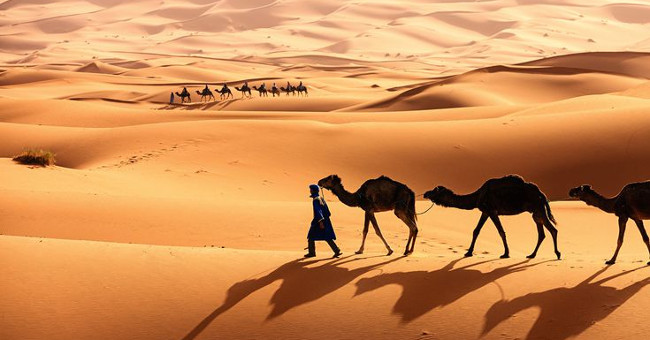
9 big deserts in the world: Sahara, Arab, Libya, Australia, Gobi, Patagonia, RubalKhali, Kalachali, Takla Maken
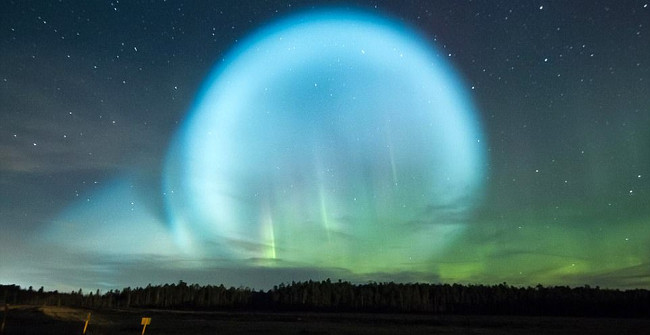
The sphere of light appears in the sky of Siberia, Russia, causing many people to think of invading aliens or apocalypse.
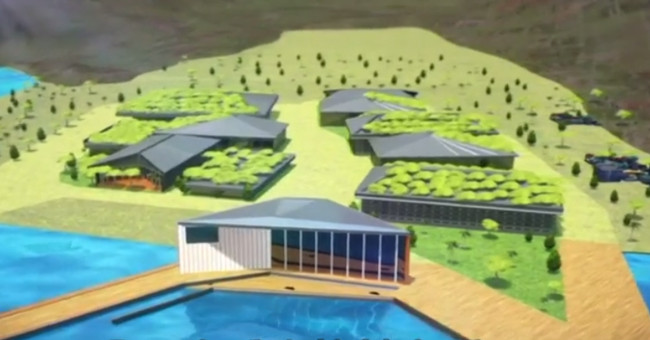
A US company - Norway intends to build the world's largest green data center using renewable energy on an area of 600,000m2.
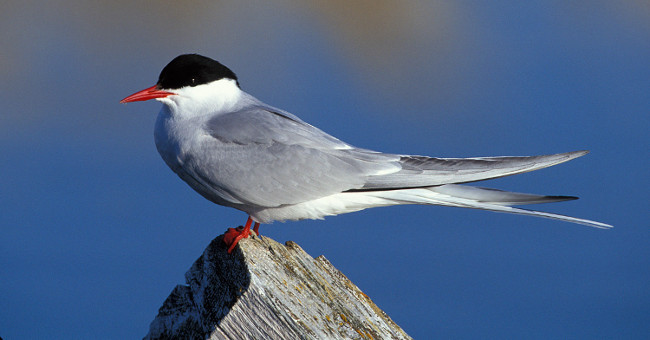
Arctic Circle is a bird with the longest migratory path of the planet, hunting on the abundant sea of food sources between the two poles of the Earth.
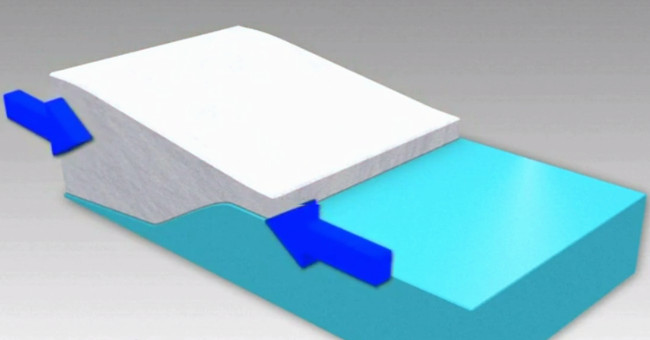
1,000 billion tons of icebergs separating from the Larsen C ice shelf in Antarctica can boost the ice crack, causing many other icebergs to fall into the sea.
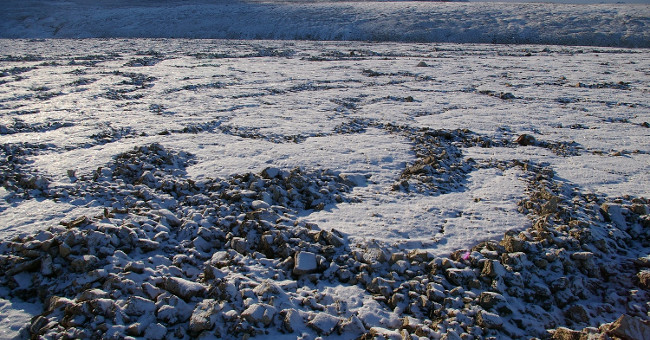
Scientists warn climate change is melting permafrost, which can release many dangerous bacteria and viruses that are dangerous to humans.