Environment
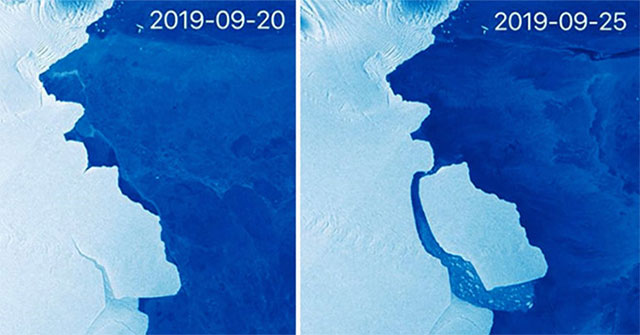
The ice is as big as London in 'wobbly teeth' apart from Antarctica
Scientists say the recent loss of Antarctica has been unrelated to climate change, but the consequences of this process could accelerate the thaw.
Browse ScienceInfo articles and explainers related to Arctic.
779 published items.
Scientists say the recent loss of Antarctica has been unrelated to climate change, but the consequences of this process could accelerate the thaw.
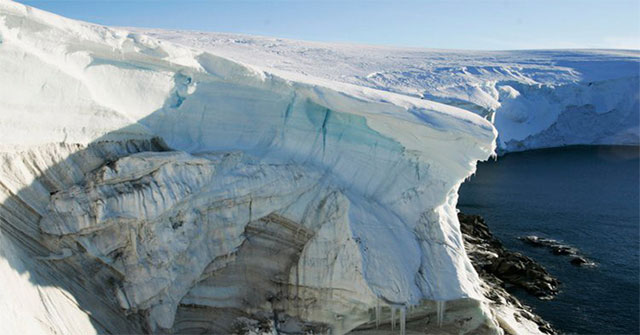
Sea level is likely to rise more than 0.9m in the next 80 years. Most reefs in warm water areas will die.
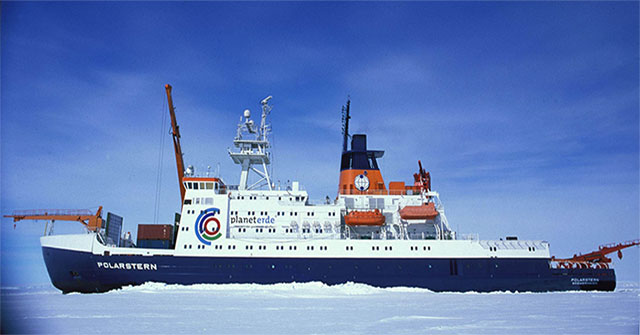
About 100 scientists will stay in the North Pole for nearly a year to conduct in-depth research on global warming and climate change.
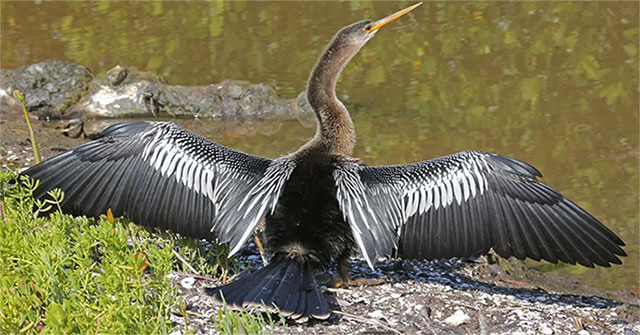
Do not let the birds with funny, cute appearance fool you, they are not as gentle as you think.
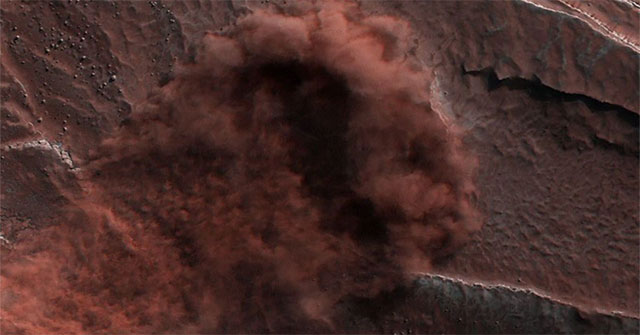
NASA's Mars reconnaissance mission recently captured an incredible picture of a giant avalanche on the red planet.

The hydrologists of the Northern Fleet of Russia confirmed the discovery of five new islands during an expedition to the Franz Josef Land archipelago.
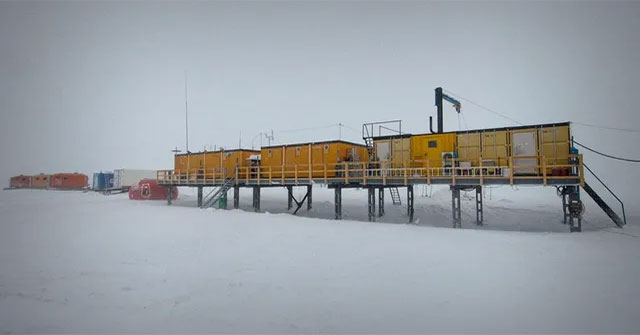
A group of scientists took 500kg of snow in Antarctica, melted it and sifted through the remaining particles. Their analysis brings a surprise: Snow contains a significa…
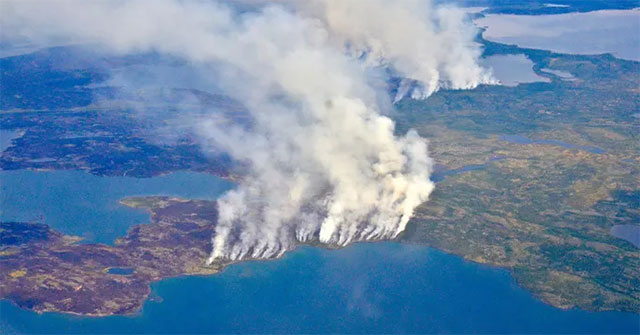
Underneath the Arctic there is a deep layer of earth containing many ancient, undecided organisms, confined to permafrost. It will be disastrous if the grave is accident…
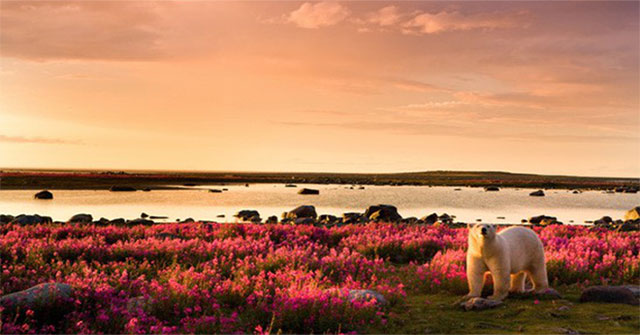
In other words, you can play in the North Pole with a pair of shorts and a T-shirt. But unfortunately that is not good news
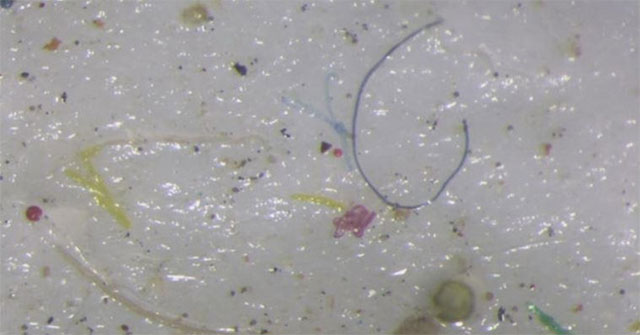
Tiny pieces of plastic have been found in ice cores drilled in the Arctic, indicating increasing pollution for marine life in even the most remote waters of the planet.
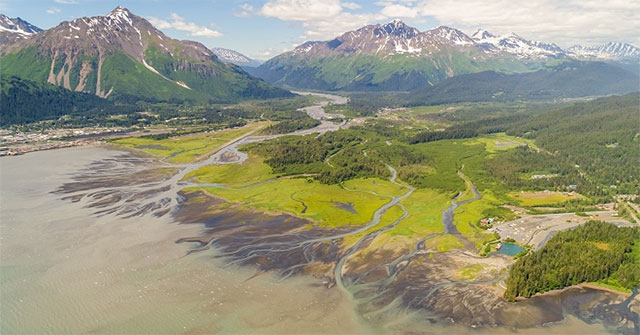
The state of Alaska in the US has experienced the hottest heat wave in 125 years, causing the ice on the sea to disappear completely, potentially causing a disaster.
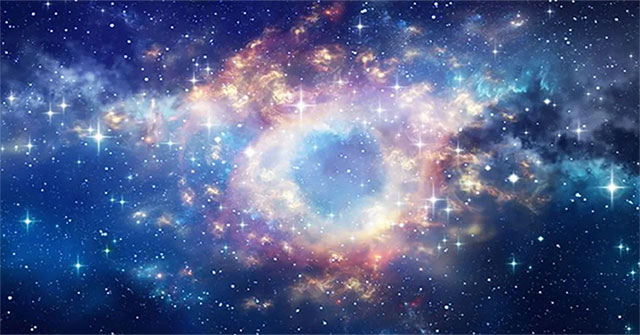
New snow research scientists in Antarctica have discovered a rare iron isotope in interstellar dust hidden inside it.
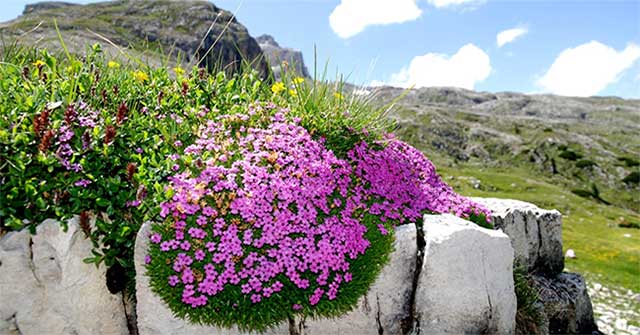
The compass tree has the scientific name Silene acaulis. This is a special plant that can live up to 300 years in the cold Arctic and flourish in harsh conditions.
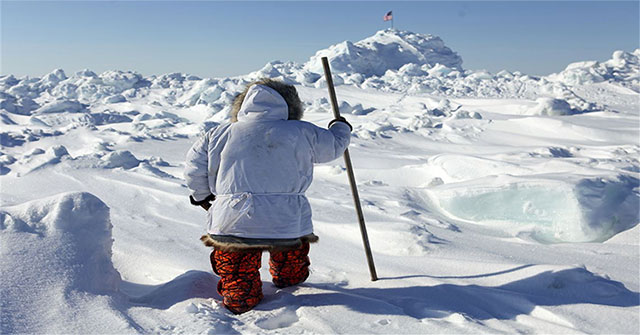
Scientists have found proliferation of microbial communities thriving in seawater pockets beneath the Arctic tundra of 6 meters.
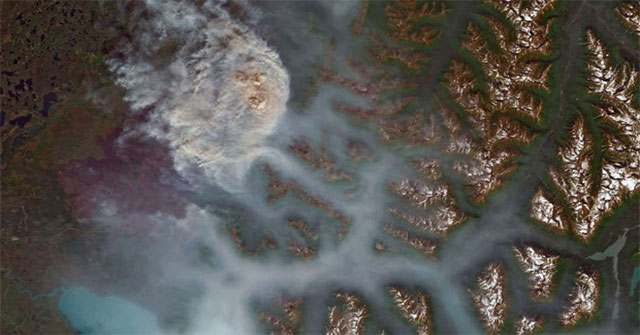
The fire reached 100,000 hectares, becoming one of the largest fires in the world. It is causing serious and extremely unpredictable consequences.