Science invention
The invention that changed the world was only paid 10 USD
A world-changing invention that was once paid at a very low price, only 10 dollars!
Browse ScienceInfo articles and explainers related to Artificial.
1,558 published items.
A world-changing invention that was once paid at a very low price, only 10 dollars!

The Swiss Federal Institute of Technology (EPFL) has successfully invented the first electronic hand that has the ability to bring patients with lifelike feelings.
According to Today's THV, a Japanese research institute has invented an unknown chemical element - the 113th element.

A group of Spanish scientists has created an electronic tongue that can identify different cava wines and can simulate the work of a wine servant.
Recently, 10 awards for the contribution of human science in 2011 have been published, all not only useful but also interesting.
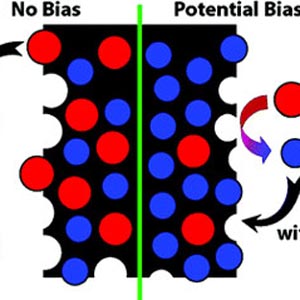
The image of a billowing water flow from dams that rotate turbine generators will no longer be the only way to generate electricity from water energy.
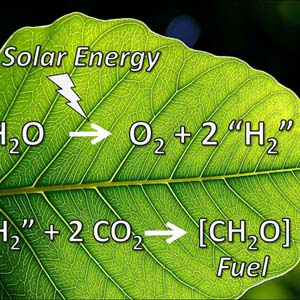
Artificial leaves will absorb solar energy to create a high-performing, low-cost energy source that has been successfully built by Massachusetts Institute of Technology…
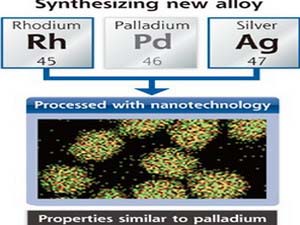
Japanese scientists have successfully fabricated new alloys similar to rare metals palladium - the world's first artificial rare metal.
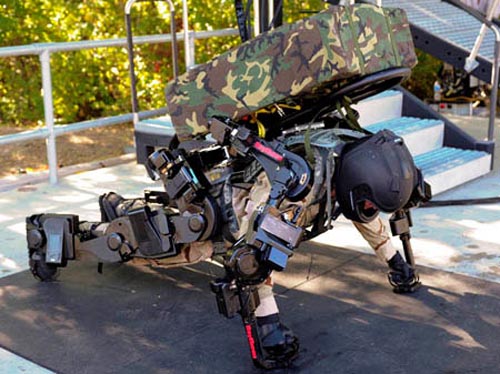
Scientists are the best writers and directors, though they are unaware that they are creating the most realistic footage of people.

Scientists have successfully built materials that can sense pressure like human skin.

Russian scientists have designed and built special glasses to prevent and treat eye diseases in the elderly.

People with facial paralysis will experience more meaningful life thanks to artificial facial muscles invented by two American surgeons.
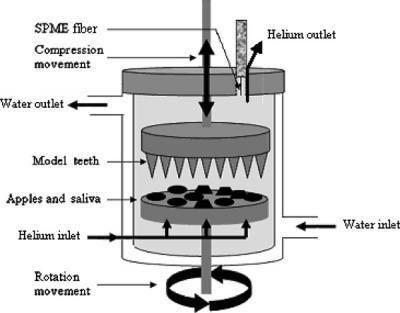
For years scientists have been trying to create electric blades - a robot taste device that can have important applications in improving food quality and safety. However…
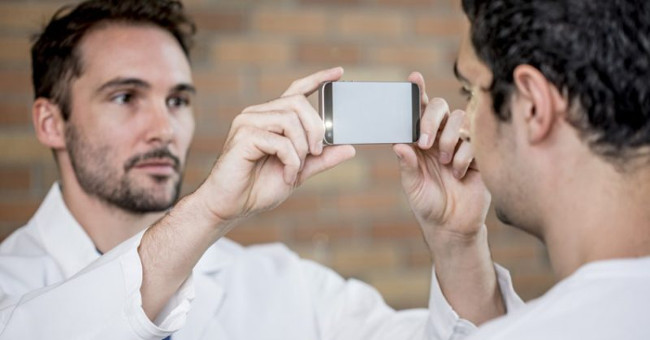
PupilSceen is considered an artificial intelligence that can quantify changes that cannot be seen with the naked eye.

Ben Goertzel, chairman of the Institute of Artificial Intelligence Research (USA), said: 'The Internet is operating quite similar to our minds. Perhaps it will reach the…