Space science
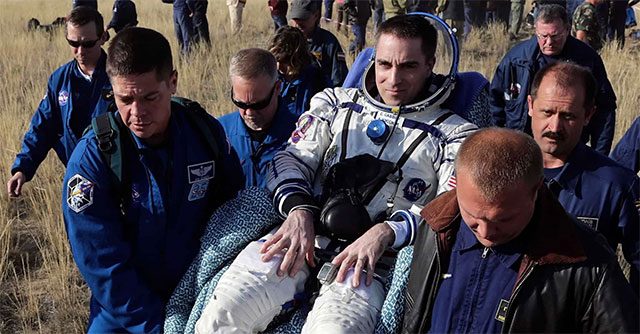
To stay healthy while working on the Moon, astronauts can use the Wall of Death
The device bears the name
Browse ScienceInfo articles and explainers related to Astronauts.
407 published items.
The device bears the name
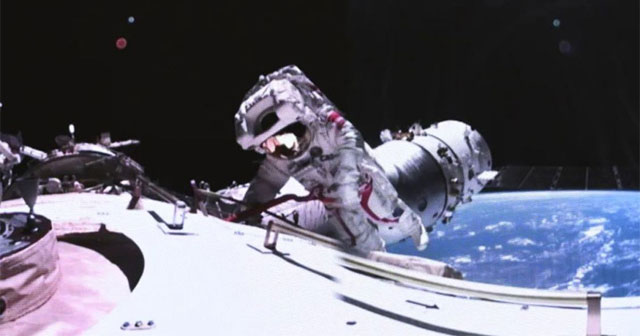
The Thien Cung space station collided with space debris, causing damage to the solar battery and was successfully repaired.
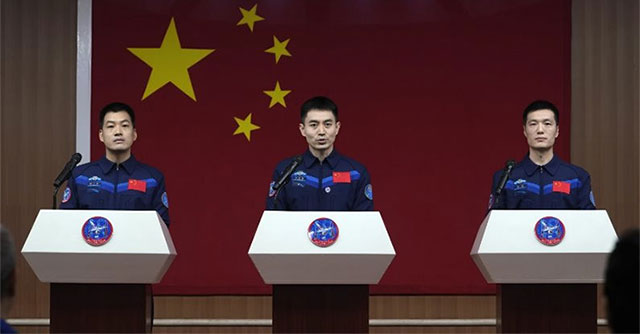
China will send a new crew to the Tiangong space station, the latest mission in the program to send astronauts to the Moon by 2030.
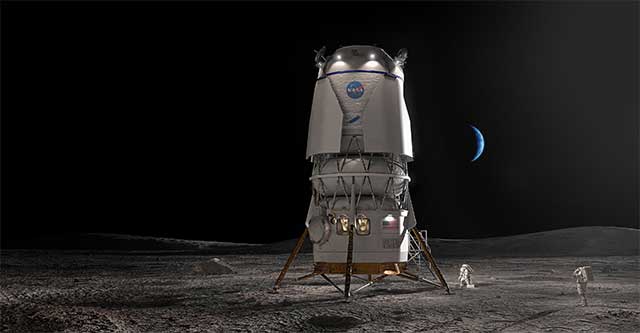
US President Joe Biden on April 10 once again affirmed his plan to send the first Japanese astronaut to the Moon within the framework of the Artemis lunar exploration pr…
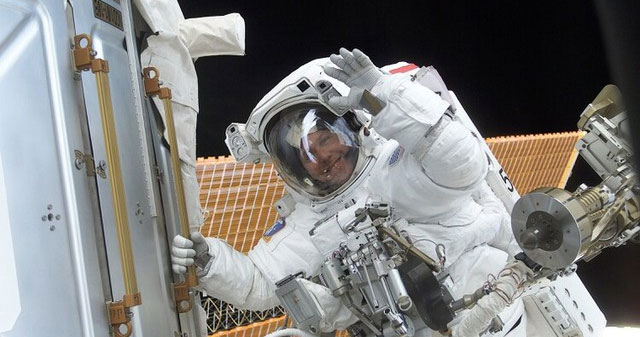
Rather than being overwhelmed or excited, the emotion of astronauts in space is often fear.

Astronauts in the Artemis 5 Mission Program are expected to drive the Lunar Rover on the Moon for the first time in 2030.
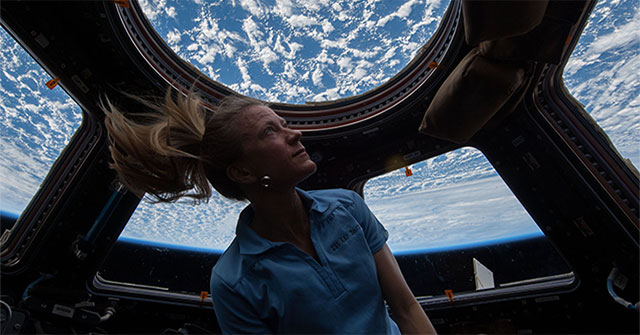
Humans sense position and movement on the ground based on the condition of Earth's gravity. In zero-gravity space, will that sensory nerve be altered, warping perception?
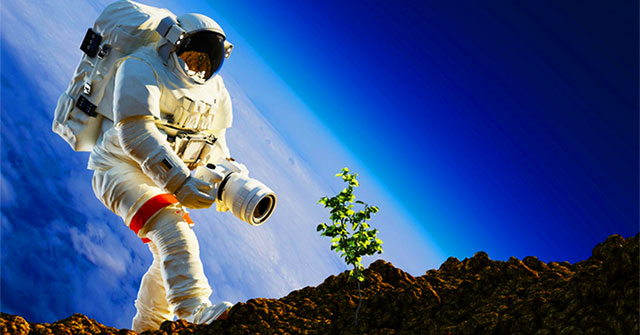
Research on plant growth is one of three experiments that Artemis 3 Program astronauts plan to deploy on the Moon.
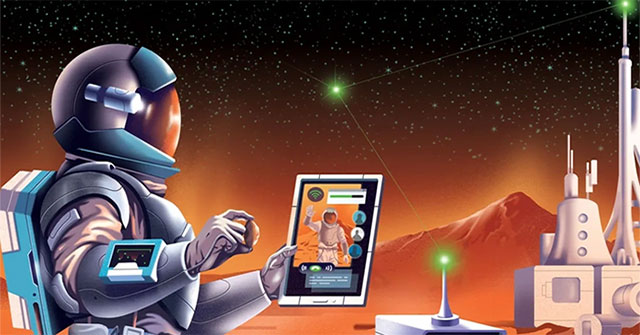
Although we have not yet been able to set foot on Mars, our ambitions on this planet are undeniable.
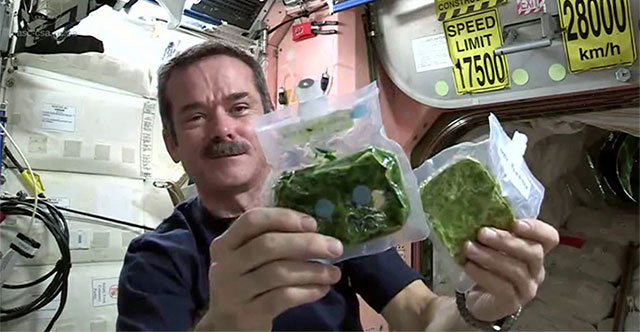
Astronauts must use dry and pre-packaged food to maintain operations. These meals are carefully planned to provide nutrients.
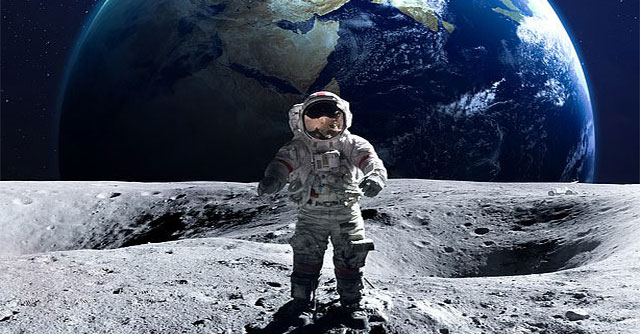
A new US study found that the blood of astronauts who flew into space more than 20 years ago showed signs of DNA mutations, a high risk of cancer and many potential dise…
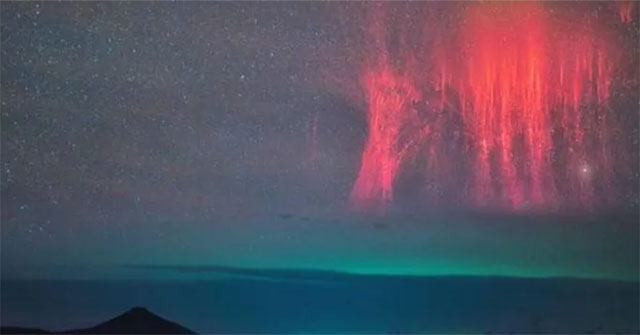
Recently, a strange phenomenon appearing in the sky of the Himalayas has been recorded. Although many people were shocked at the spectacular sight, the astronauts had op…
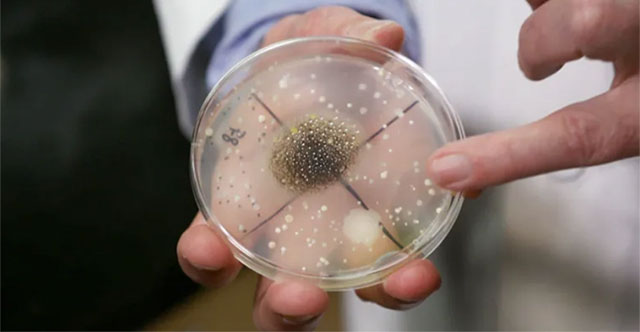
The discovery of mold and microorganisms on space stations has scientists worried about the serious consequences that humans will suffer when they return to Earth.
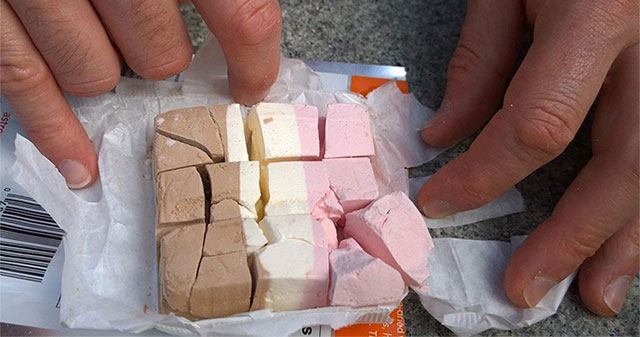
According to the National Air and Space Museum and NASA astronauts, in fact, there is no such dessert on their space menu.

When looking at images of astronauts floating in the International Space Station (ISS), you can see that their appearance is a bit unusual.