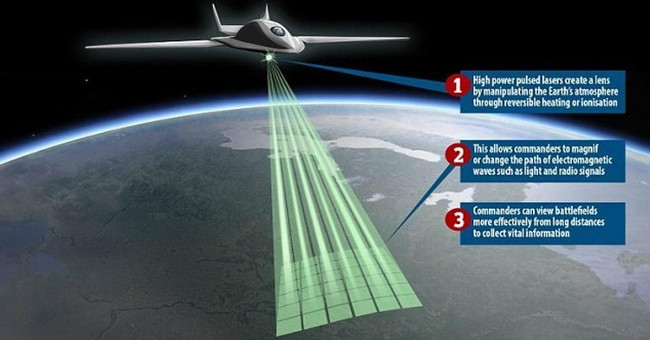
New technologyThe idea of using lasers to turn the Earth's atmosphere into a giant magnifying glass may sound like a fiction. However, experts believe that this can become a reality…
December 12, 2018
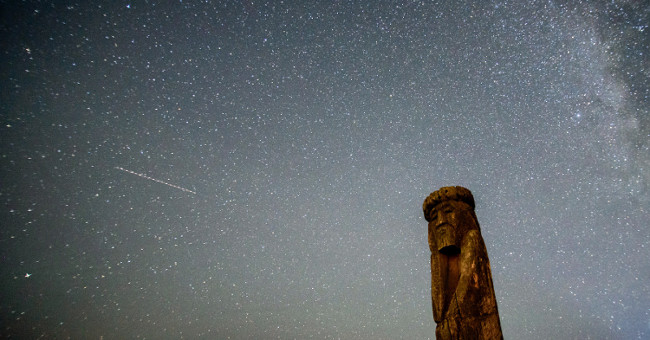
New technologyALE, Japan will produce colorful meteor stars and be 70 times more luminous than natural meteor.
December 12, 2018

New technologyNASA is aiming to predict dust storms on the red planet to increase the success rate for future missions.
December 12, 2018

New technologyCalled 4 Laser Guide Star Facility (4LGSF), it will be the world's most advanced laser system, simultaneously firing 4 22W laser beams with a wavelength of 589 nanometer…
December 12, 2018
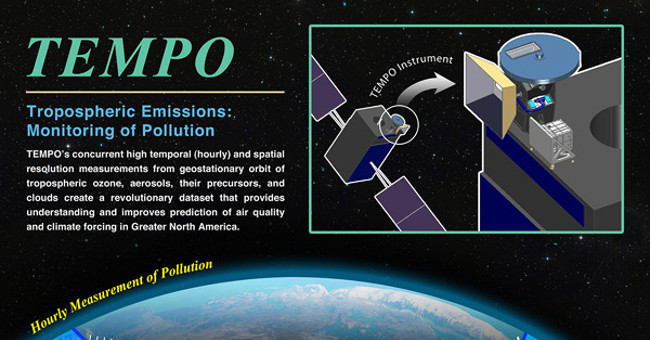
New technologySpace technology will help monitor the level of environmental pollution at global scale.
December 12, 2018
New technologyUS scientists are working on a machine that turns CO2 into oxygen. It is expected that the technology will be completed and put into use in 2020.
December 12, 2018
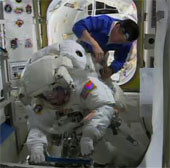
New technologyThe goal of this research project is to create a fresh and pleasant atmosphere for astronauts.
December 12, 2018

New technologyScientists at the University of California have just discovered an easier way to detect these extraneous elements, but the most important thing is that they use the came…
December 12, 2018
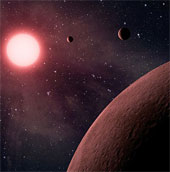
New technologyAs we all know, each different molecule absorbs light in different ways.
December 11, 2018
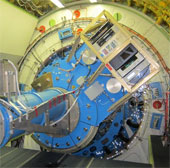
New technologyScientists at NASA recently introduced a new spectrophotometer called Echelon-Cross-Echelle Spectrograph (EXES).
December 11, 2018
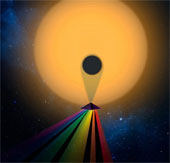
New technologyA group of researchers from the MIT Institute of Technology recently introduced a method to determine the masses of exoplanets.
December 11, 2018
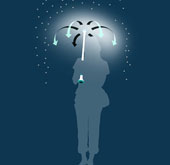
New technologyKorean designers have painted a high-tech umbrella, without the need for a dome, but still make sure the user is not wet.
December 11, 2018
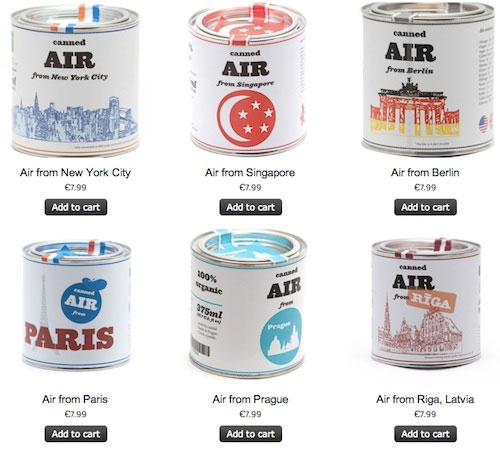
New technologyThe canonical atmosphere of Doraemon is now a real product. If you're into Paris, instead of spending thousands of dollars on a European vacation, you can buy Parisi…
December 11, 2018
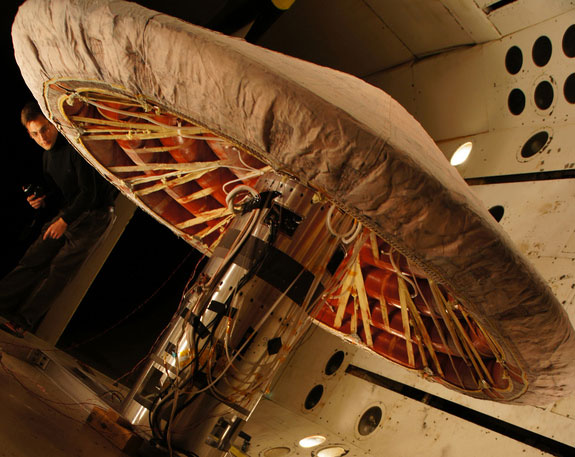
New technologyThe new IRVE-3 test flight was made on July 23 from the Wallops launch site of the US Aerospace and Defense Agency (NASA) in Wallop Island, Virginia. The test took 20 mi…
December 11, 2018

New technologyMany scientists were shocked when the first time a balloon could fly into space, reaching a record high of 28.8km, more than the previous record to 6.4km.
December 11, 2018