Biology
Found bacteria can make oxygen to respire
Scientists at the Nijmegen University in the Netherlands have discovered a bacterium that can produce oxygen to breathe.
Browse ScienceInfo articles and explainers related to Bacteria.
1,661 published items.
Scientists at the Nijmegen University in the Netherlands have discovered a bacterium that can produce oxygen to breathe.

German scientists have shown that wolf bees have the ability to use antibiotic combinations created by symbiotic bacteria to protect their larva from disease.

Bacteria in the seabed sediments can take advantage of metallic minerals in sediments, form the nano-grid and generate electricity.


The bacteria on human hands are not the same, so they can be used to identify forensics like DNA and fingerprints.

American scientists from Chapel Hill Sub-University, University of North Carolina, said they found calcium atoms could control bacterial activity.

German scientists say they have found a fast-acting antiseptic that effectively kills bacteria, viruses and other pathogens.

Using an antiseptic can cause bacteria to become resistant to antibiotics as well as the same antiseptic.

Professor Richard Gallo and colleagues have been studying the skin surface of people with certain bacteria to help prevent ulcer-related diseases.

Carbon dioxide (CO2) has long been identified as the main gas causing the greenhouse effect leading to global warming.

Recently, a group of Mexican scientists have discovered 3,000 species of Jurassic North American endemic bacteria in some wells in northern Mexico.

Scottish scientists have developed a mine-detection method that is both safe and inexpensive, using bacteria that emit blue light when exposed to explosives.
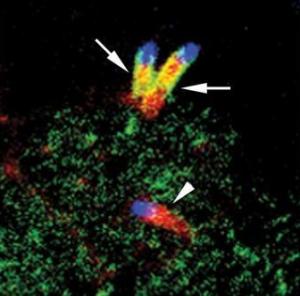
Microbiologist Professor Keith Ireton of Florida State University has announced an active mechanism that plays an important role in the spread of deadly bacteria in food…
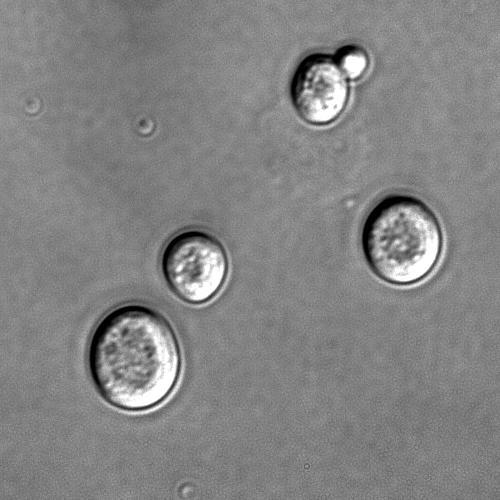
Researchers at J. Craig Venter Institute (JCVI) have published results describing the method in which the entire genome of Mycoplasma mycoides is copied in a yeast cell.