World celebrity
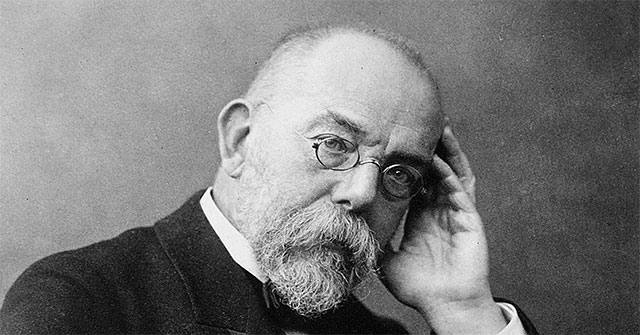
Scientists 'saved' humanity from the pandemic
Scientists around the world have found ways to help humanity escape the danger of extinction due to the pandemic.
Browse ScienceInfo articles and explainers related to Bacteria.
1,661 published items.
Scientists around the world have found ways to help humanity escape the danger of extinction due to the pandemic.
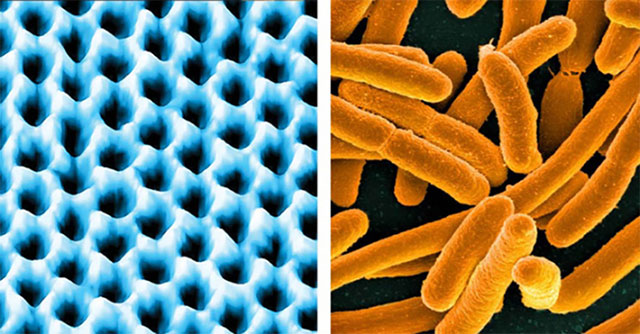
Ultra-sensitive hearing devices could be the key to doctors facing the growing crisis of antibiotic-resistant bacteria.
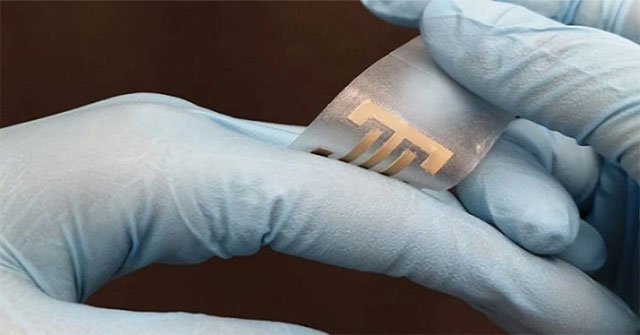
Researchers have found a way to apply electricity to wound healing, which promotes healing by killing bacteria.
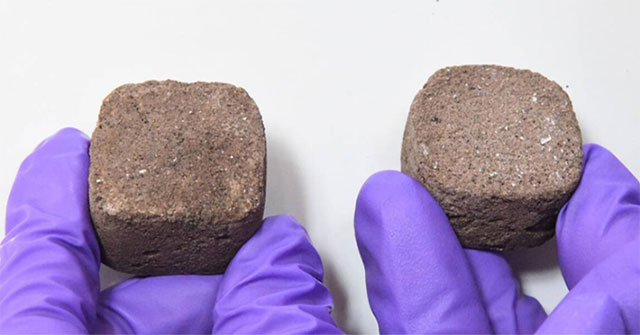
An Indian team of scientists combines simulated Martian soil, bacteria and other materials to create a durable brick with few pores.

Lazy foot washing is very normal for many people, but if this problem will be completely different if you do not wash your feet for a long time.
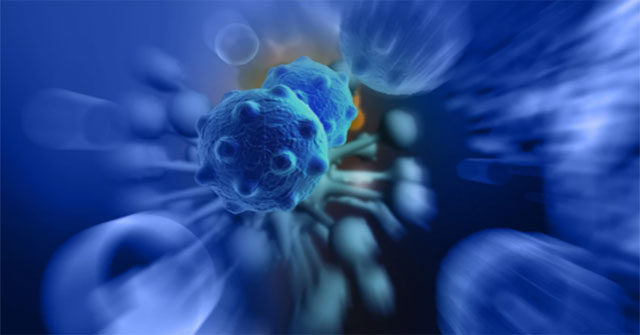
Chinese scientists found that bacteria in tumor cells helped the tumor to shift position, while promoting cell survival during tumor growth.
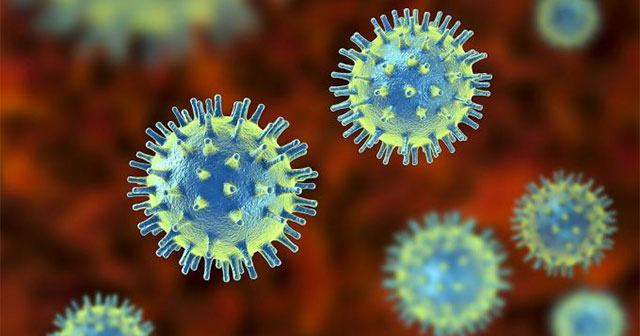
In a small laboratory in the Georgian capital Tbilisi, scientists are testing a virus that helps neutralize antibiotic-resistant bacteria. - VnExpress

Daily brushing can only remove most of the bacteria, but plaque and tartar build up over time.
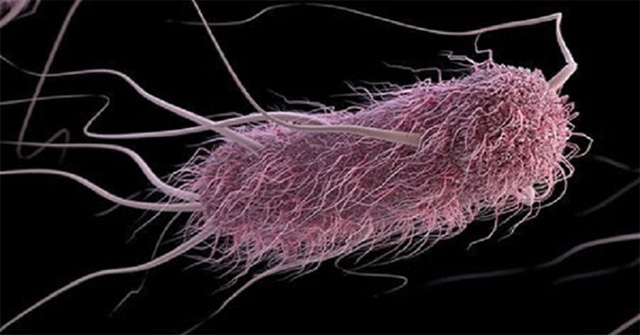
The team at Caltech modified the E. coli bacteria and stimulated it with ultrasound so that they secrete chemicals that kill cancer cells that harm healthy cells.

The noun bacteria often conjures up negative feelings. But in reality, not all bacteria are like that.
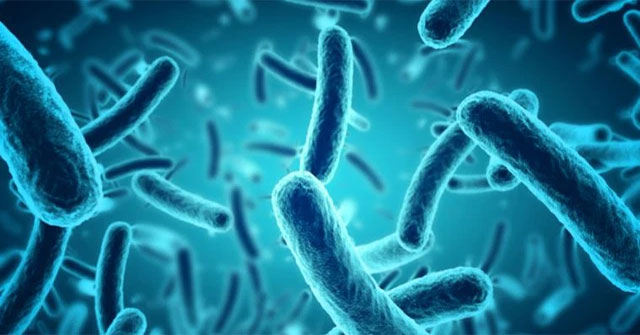
Not every new technological device is too sublime, but it is the tiny bacteria.
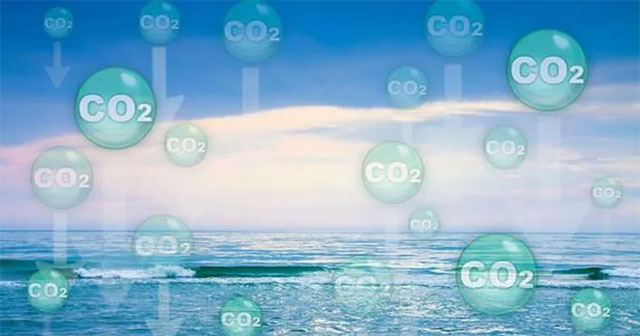
Research shows that this microorganism has the ability to photosynthesize and release carbon-rich substances that can
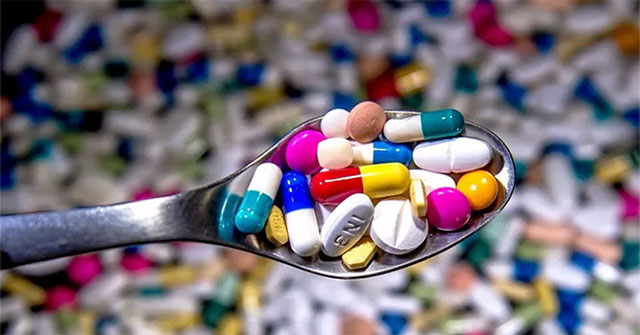
Israel's Institute of Technology (Technion) said that Israeli scientists have developed an algorithm that uses artificial intelligence (AI) to prescribe antibiotics.
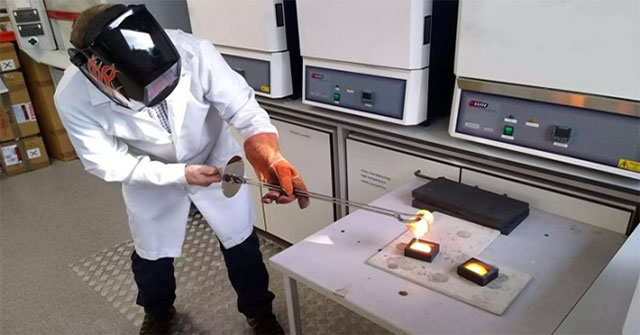
By modifying the composition, a team of researchers has created a bioactive glass that is remarkably effective at killing disease-causing bacteria.

Scientists have discovered an extremely large bacterium that lurks in the middle of the Grande-Terre mangrove forest in the Caribbean and can be seen with the naked eye…