Antibiotic resistance
Bio-nano robot will help end the antibiotic resistance crisis
Antibiotic resistance is a serious problem for humanity. Before the 1970s, bacterial infections were easily treated with a single antibiotic dose.
Browse ScienceInfo articles and explainers related to Bacterial.
163 published items.
Antibiotic resistance is a serious problem for humanity. Before the 1970s, bacterial infections were easily treated with a single antibiotic dose.

While developed countries still use generation 1 antibiotics, Vietnam has used antibiotics of generations 3 and 4.
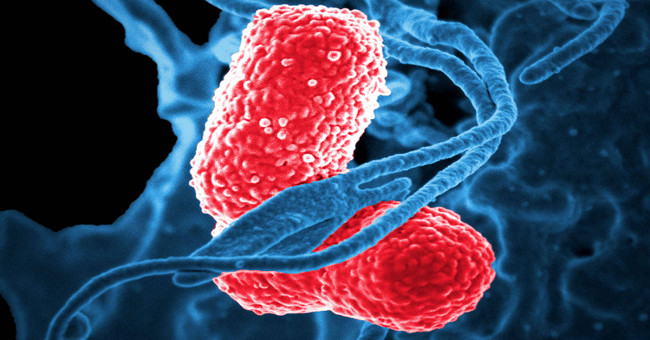
Harvard University's team warns, antibiotic-resistant bacteria are diverse, active, widespread, silently transmitted without any sign of recognition.
The development of resistant strains of bacteria is actually an evolutionary process. This is the process of selecting traits that help bacteria survive when affected by…
A new type of peptide can puncture bacterial cell membranes, disrupt the function of important organs to kill drug-resistant bacteria.
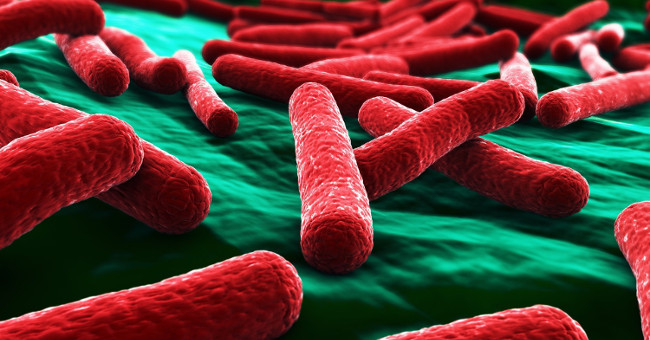
In the new study, published in the journal Nano Small, Singapore researchers say they have created an antibacterial material that can kill E.coli within 30 seconds.

American scientists say they have found a new tool that can treat many different diseases, ranging from food poisoning to cancer, called

A German research institute has successfully researched liquid glass spray paint that has anti-dust and antibacterial effect, but not toxic.
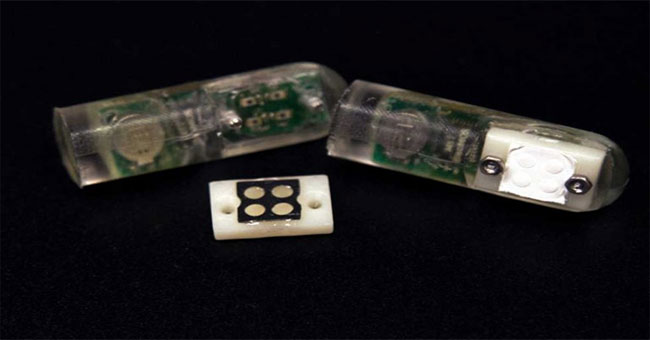
Researchers at MIT have developed a digestive sensor, made of genetically modified bacteria.
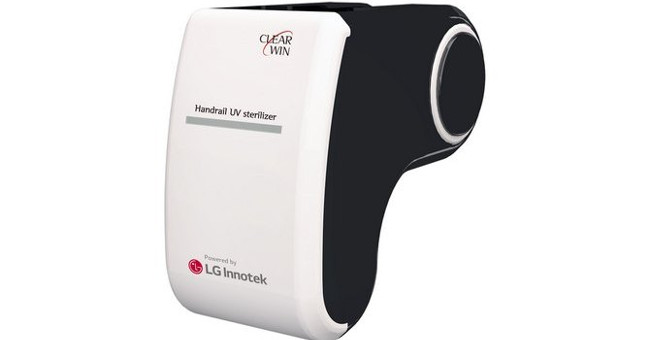
Elevator escalators are always one of the places that contain many bacterial pathogens by the thousands to thousands of people touching hands.
Big step to landmark
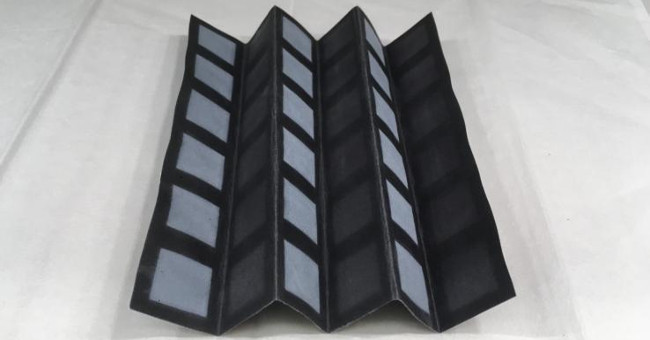
US scientists have successfully created a bio-cell that generates electricity from bacteria in waste water.
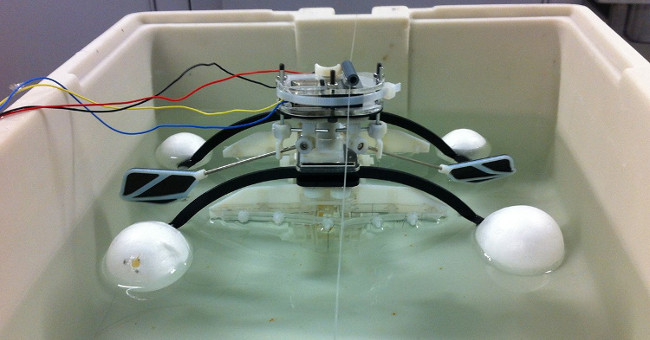
British scientists have successfully built a robot capable of eating and digesting food for energy like humans.
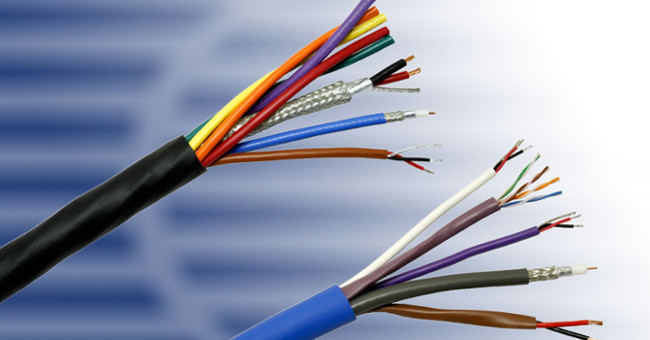
Microbiologists at the University of Massachusetts Amherst have found a way to make the wire a thousand times thinner than hair strands.
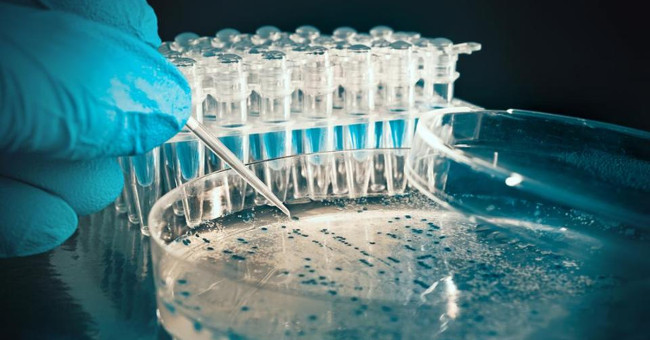
The future is in our hands, simply because our hands have a lot of bacteria.