Space science
Where do meteors around the Earth come from?
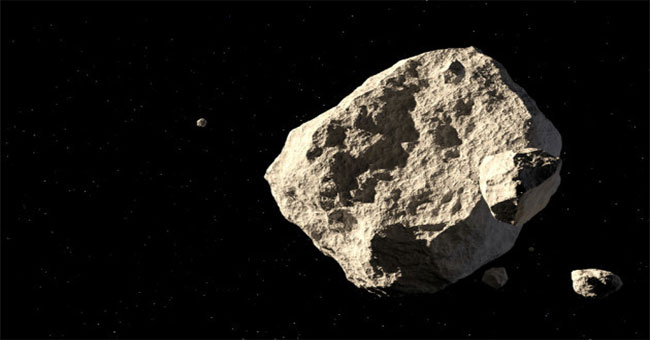
According to the latest research, most small bodies in space originated from 5 or 6 small planets that exploded and still move around our Solar System.
Browse ScienceInfo articles and explainers related to Belt.
277 published items.
According to the latest research, most small bodies in space originated from 5 or 6 small planets that exploded and still move around our Solar System.
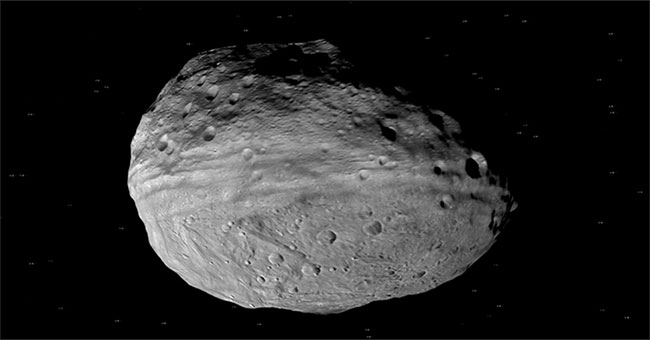
The asteroid named 4 Vesta or Vesta is large and is bright enough to be observable from Earth despite being 170 million km away, Metro reported yesterday.
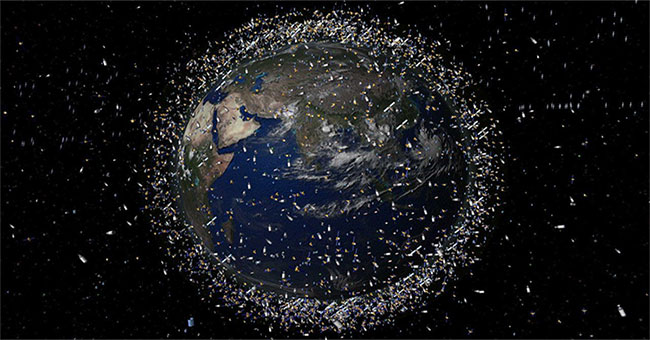
Artificial technology clouds in the universe, similar to the network of telecommunications satellites that surround the Earth, are most likely the hallmarks of extraterr…
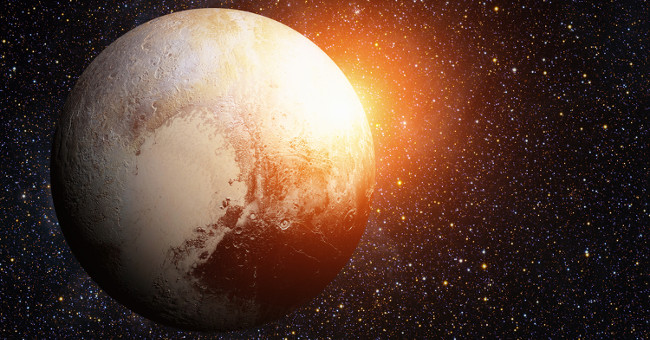
The expert team studied the chemical composition of Pluto to come up with a new hypothesis.
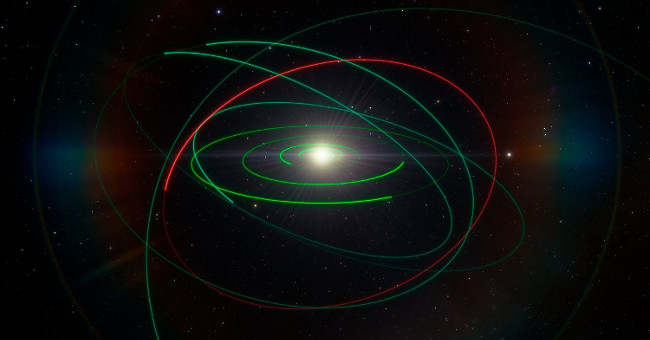
The discovery of the asteroid 2004 EW95 played an important role in helping astronomers discover the early formation of the Solar System.
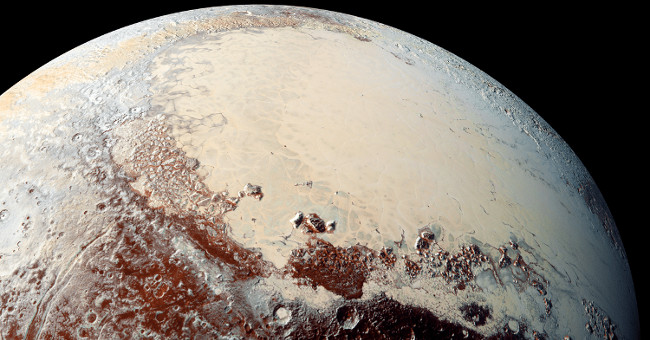
Before 2006, Pluto (or Pluto) was always considered the 9th planet of the solar system.
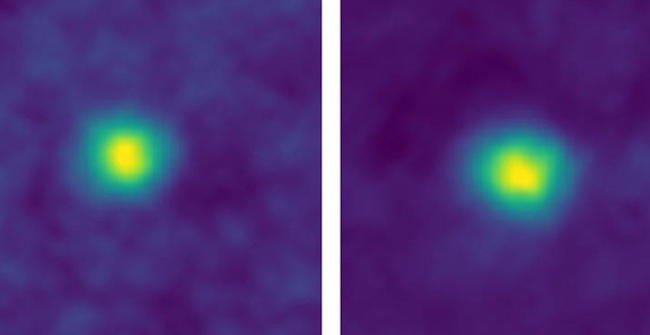
The New Horizons spacecraft sent photos of Wishing Well and two 2012 HZ84, 2012 HE85 objects from the farthest distance in the universe.
The series is mainly from the prestigious 150-year-old popular Science magazine of US history and NASA documents.

Please read the 2-part synthesis section mainly from popular science magazines (Popular Science or PopSci, a quite prestigious scientific journal in the US with nearly 1…
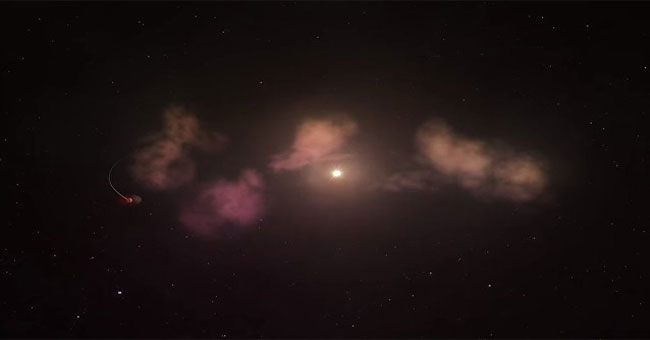
A group of American researchers believe that the star RZ Piscium, located 550 light years from Earth in the constellation Pisces, is capable of destroying small planets…
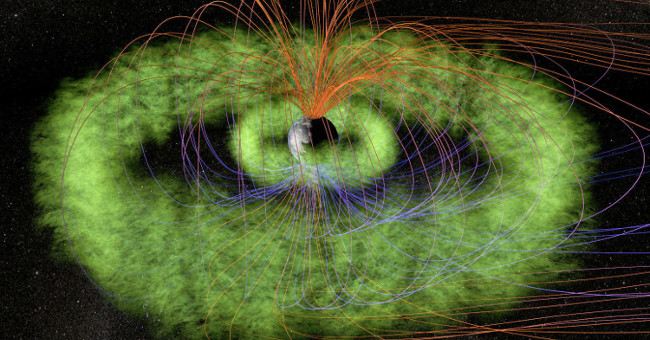
A space mystery that hurts scientists for nearly 60 years has been successfully decoded by students at Colorado Boulder University in the US.

Some argue that the Apollo event on the moon is just a trick by the US government and the Van Allen belt is important evidence in their thesis.

16 Psyche is one of the ten largest mass asteroids in the asteroid belt. It has a diameter of more than 200km and contains approximately 1% of the whole belt.
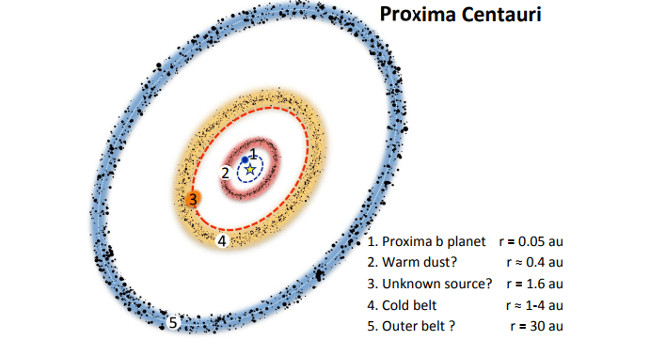
Scientists used data from the ALMA Observatory in Chile to study the star discovered last year.

The strange sound that the scientist calls with the name