
Flu epidemic
Everything you need to know about bird flu
After the appearance of a case of avian influenza A(H5) after 8 years, this disease is receiving much attention and concern from the community.
Browse ScienceInfo articles and explainers related to Bird.
1,859 published items.
After the appearance of a case of avian influenza A(H5) after 8 years, this disease is receiving much attention and concern from the community.
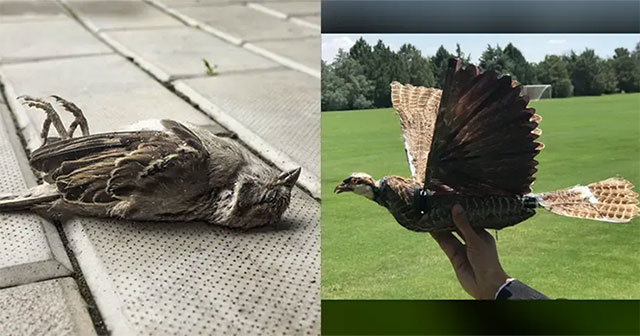
American scientists are hatching a plan to turn dead birds into drones, used for patrol and surveillance purposes.

The hen is the last surviving member of an ancient bird lineage that branched off in separate directions 64 million years ago, shortly after the mass extinction of the d…
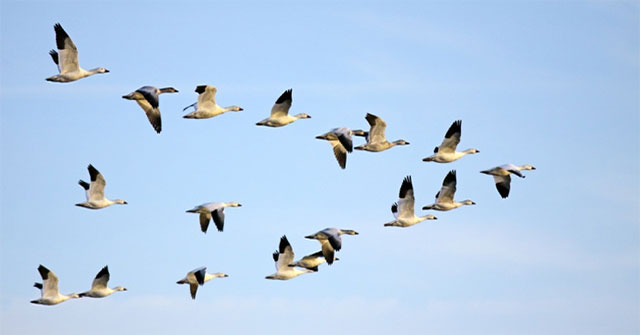
On October 28, Australian researchers announced new findings on the migration habits of birds in the Southern Hemisphere, through data from weather radar technology.
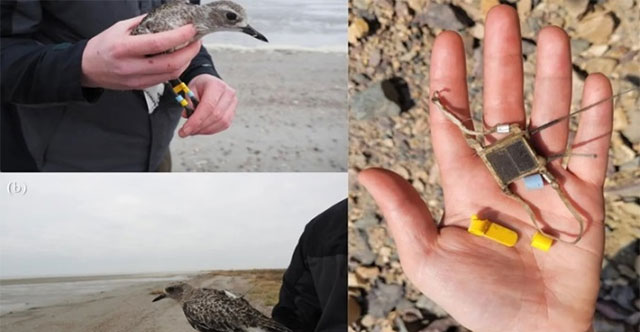
Scientists observed the highest-altitude predator display ever recorded as a plover fell into the claws of a peregrine falcon.

The dog barking atop the pyramid in Giza, Egypt is named Apollo, part of a litter of eight dogs that currently live atop the Khafre pyramid.
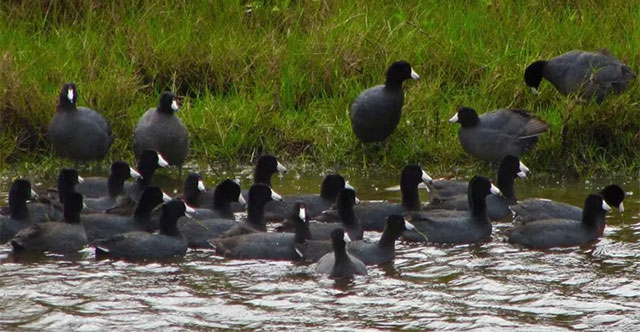
The Fulica Atra, scientific name Fulica Atra, is a species of bird in the Rail family, distributed in Europe, Africa, Asia... In Vietnam, the Fulica Atra is found in the…

If you come across a deep mountain without insects or birds, turn back immediately. Don't go alone.
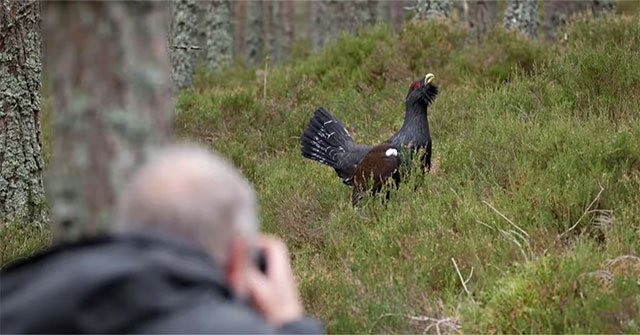
Learn how social media is affecting the lives of rare animals and plants and what can be done to protect them.

Scientists have given many explanations for why Australia and the entire Oceania region remain unaffected by bird flu.
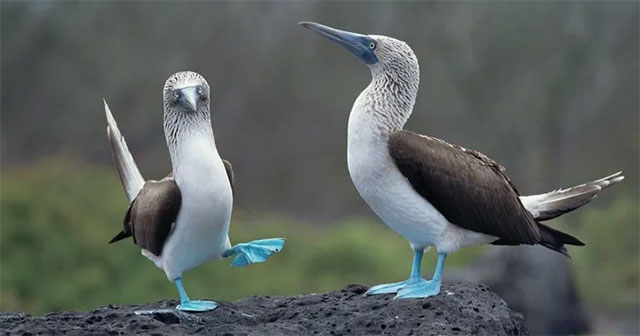
The blue-footed booby is one of the most strange and wonderful seabirds in the world.

Without effective conservation strategies, bird extinction will have catastrophic consequences.
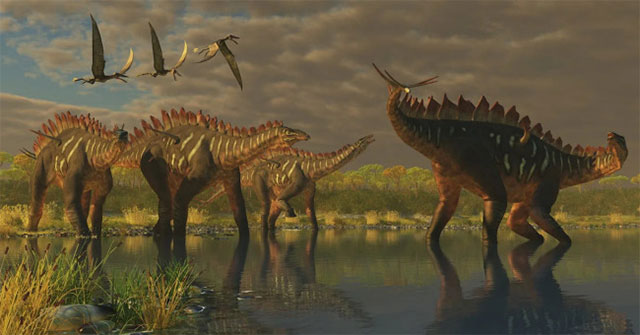
After the asteroid hit Earth 66 million years ago, some toothless birds may have survived thanks to their ability to forage.

Millennia ago, before written history, these strange creatures roamed the Earth.
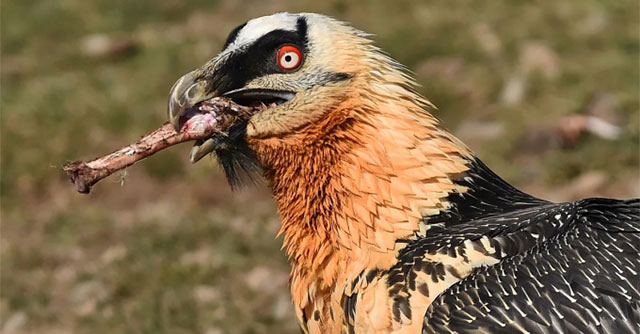
Large in size, the bearded vulture impresses with its ability to eat bones and its red feathers from bathing in iron-rich mud streams.