Space science
Scientists think they have accidentally found dark matter
Did scientists discover dark matter, one of the mysteries of the universe?
Browse ScienceInfo articles and explainers related to Black Hole.
385 published items.
Did scientists discover dark matter, one of the mysteries of the universe?
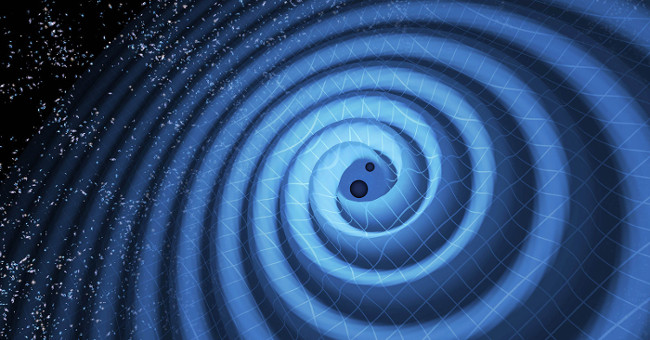
For the first time astronomers discovered gravitational waves that bounced back from a collision between two black holes more than a billion years ago.
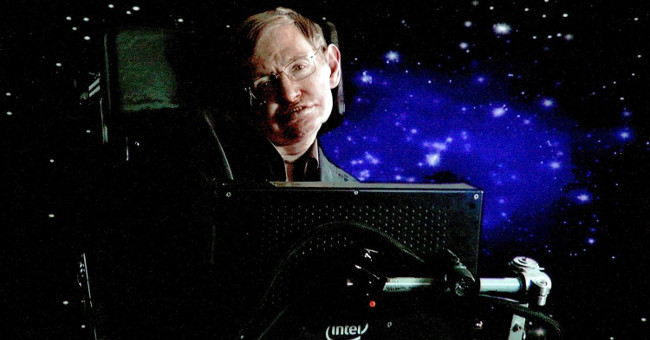
The black hole may be a shortcut to other universes, and if it is, this will be a landmark finding in astronomical space.
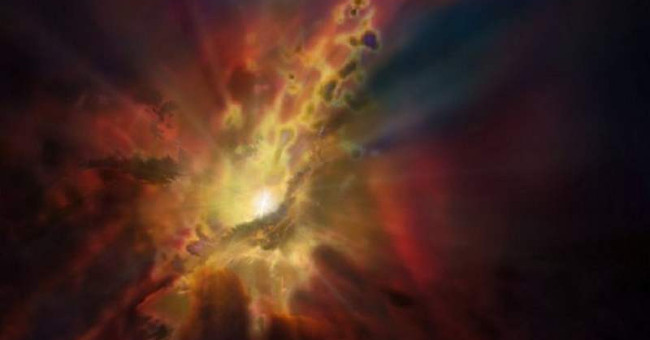
It seemed like rain was only on Earth, but in the universe there were such incredible weather phenomena.
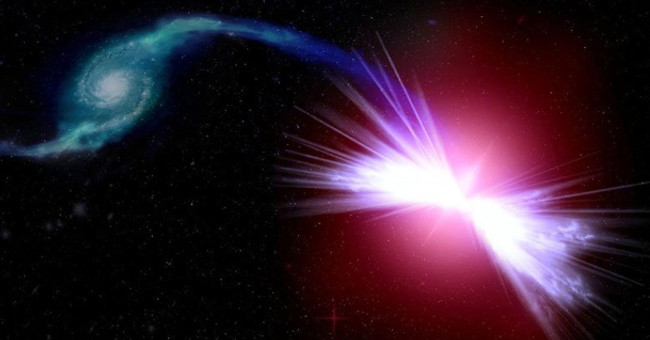
A group of scientists has identified the cause of many galaxies becoming
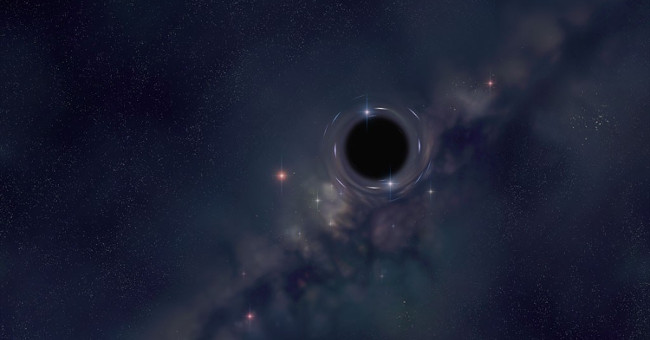
New research by American scientists shows that dark matter is produced from the original black hole, which appeared in the first millisecond after the Big Bang.
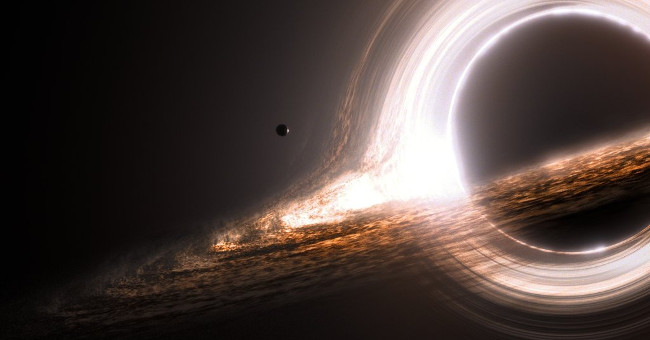
The mystery of black holes has always been one of the topics that led scientists and researchers to headache but also to like the most.
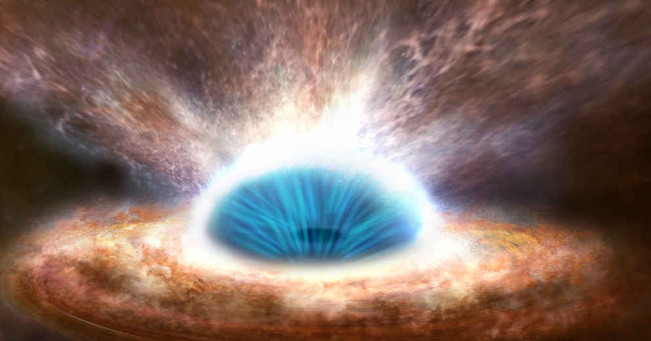
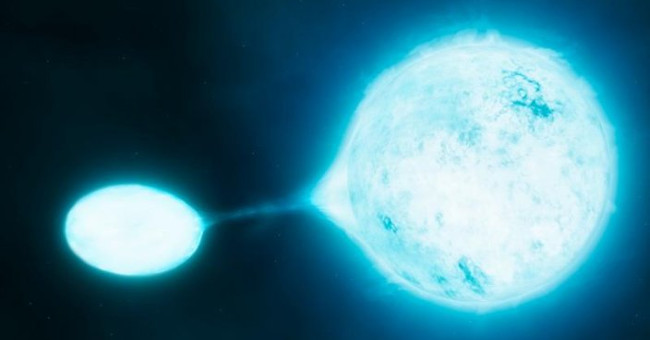
The supermassive black hole is 4 billion times the size of the Sun when three spiral galaxies collide, leading to the merging of black holes in their center.
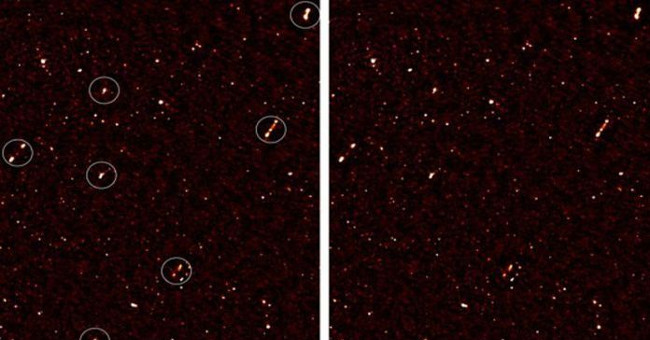
The cluster of 9 super black holes returned in a way that was beyond the knowledge of scientists and could reveal much information about the origin of the universe.
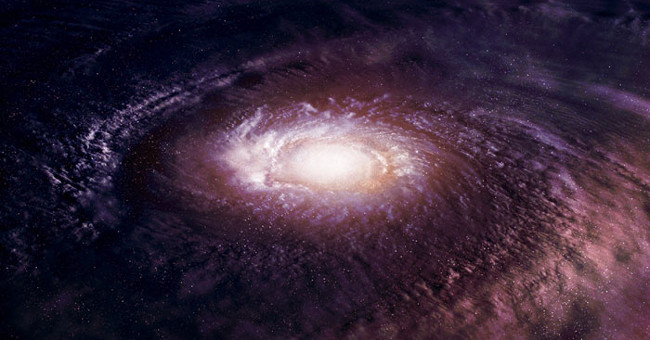
The astronomers at York University have just revealed, there is the appearance of super-fast gusts in the supermassive black holes, along with intense ultraviolet wavele…
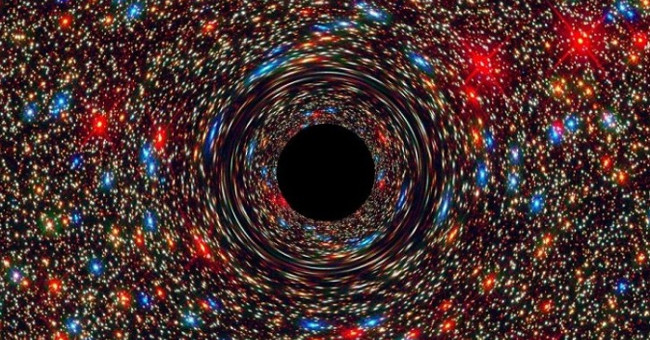
This black hole is found in galaxy NGC 1600, in the constellation Eridanus - 200 million light-years from Earth.
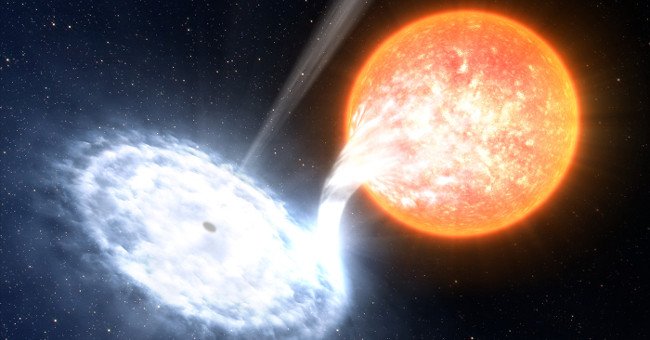
V404 Cygni, a black hole 7,800 light-years from Earth, emits bright red rays carrying the energy of 1,000 Suns during the gravitational pull from the star.
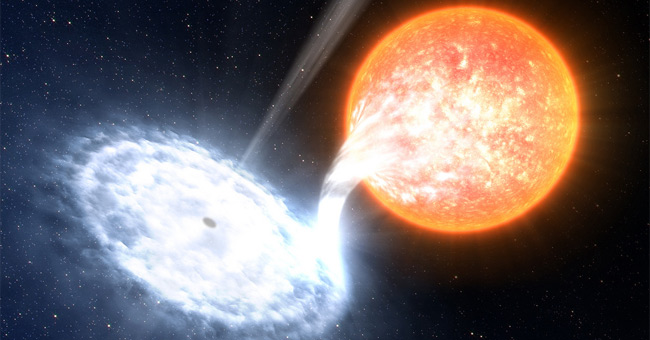
Astronomers discovered the eruption from a black hole far away from Earth to thousands of light years.
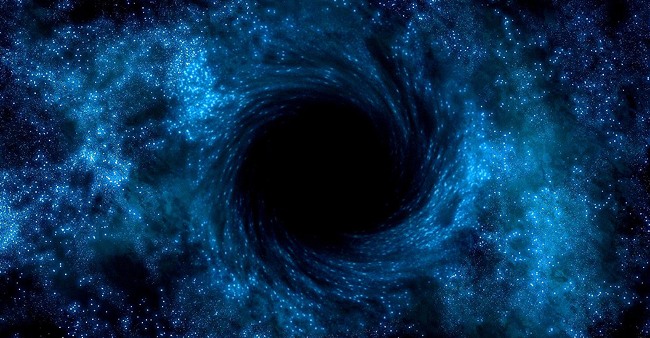
The Earth is often under the attack of high-energy particles in cosmic rays, the culprit is the supermassive black hole in the center of the Milky Way.
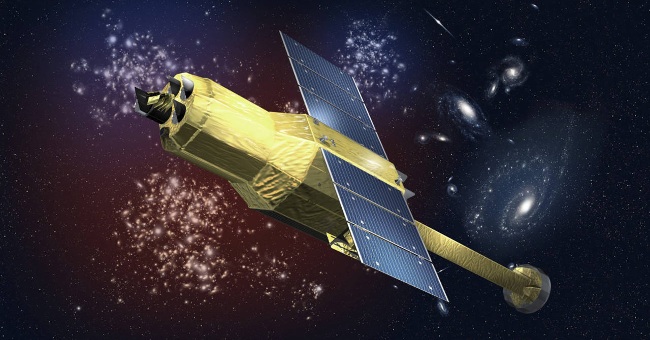
Japanese cosmologists are searching for traces of Hitomi, a $ 250 million satellite, launched into orbit to study black holes.