
Medicine - Health
Surgery for brain tumors requires no separation of the skull
By using a device called BrainPath, surgeons can approach and remove tumors without opening the skull to avoid damaging important brain tissue.
Browse ScienceInfo articles and explainers related to Brain.
2,956 published items.
By using a device called BrainPath, surgeons can approach and remove tumors without opening the skull to avoid damaging important brain tissue.

Air pollution is one of the problems in many major cities in the world, causing many negative consequences for people's health, especially respiratory diseases.

The US Braingate team has introduced technology to interact between the brain and computer, allowing paralyzed people to control their limbs through thought.

Accordingly, scientists have developed methods to open blood brain barrier to be able to inject drugs
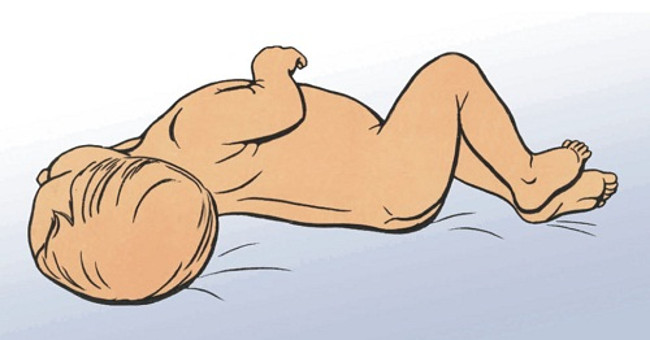
When meningitis is damaged by many different causes, clinical manifestations of meningismus (meningismus) will be seen clinically.

Many people believe that sleepwalkers are due

Saving people or worrying about their own life first depends on the physical structure of the brain, not the choice.

A new study sheds light on this phenomenon, after discovering that our brain is very concerned about this action.

Doctors discover that a patient's brain continues to function when the body dies clinically, providing evidence of life that continues after death.

Regaining limbs, even reconstructing the heart or brain is ... possible.

Humor always has a certain place in society. Who doesn't want to be friends with a witty guy, always saying humorous words, having fun makes others laugh, right?

A brain, a body but there are many personalities living together? That is absolutely true.
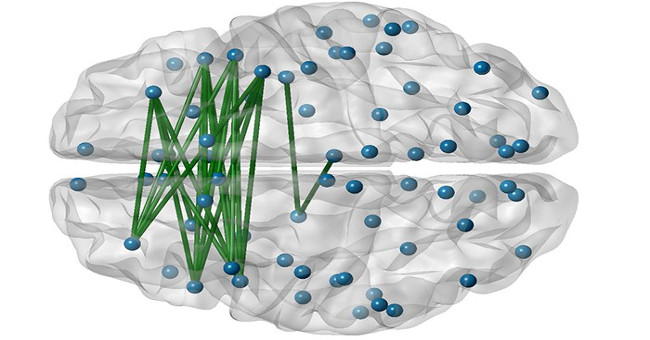
Researchers have discovered that the neuron between the left and right hemisphere of highly creative people has a stronger connection than ordinary people.
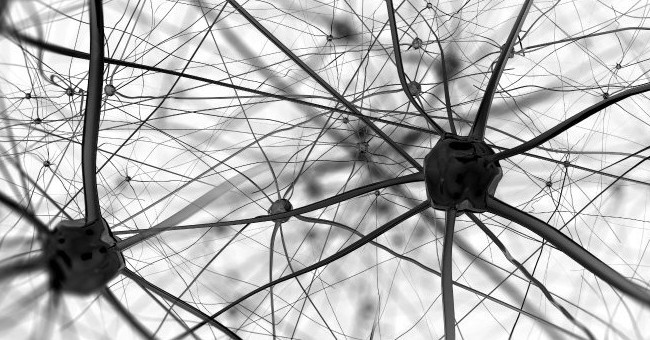
Scientists have discovered a completely new mechanism that governs how nerve cells in the brain communicate with each other to regulate learning and memory.

Experts at the University of North Carolina (USA) have developed an artificial intelligence module (AI) that helps detect autism in babies with an accuracy of 81% compar…