Scientific works
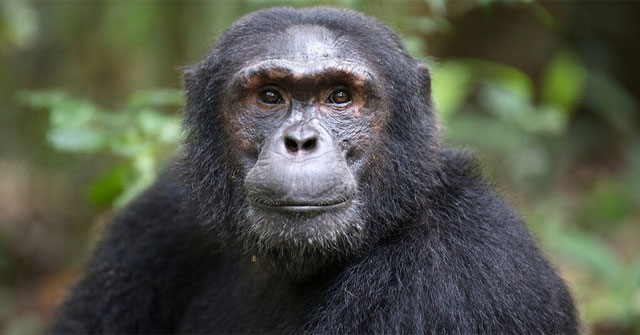
The human brain has immune cells that separate us from primates, but it is also a weakness
A type of immune cell found only in humans that persists throughout an individual's development, remaining present even into adulthood.
Browse ScienceInfo articles and explainers related to Brain.
2,956 published items.
A type of immune cell found only in humans that persists throughout an individual's development, remaining present even into adulthood.

American scientists have developed an advanced material capable of processing information in a way similar to the brain in the human body.

Taste is just as important to fruit flies as it is to humans. Similar to humans, flies tend to seek out and consume sweet foods.

Dr. Luong Minh Thang and 10 experts at Google Brain built a Parti model, teaching artificial intelligence to draw pictures based on descriptive words.
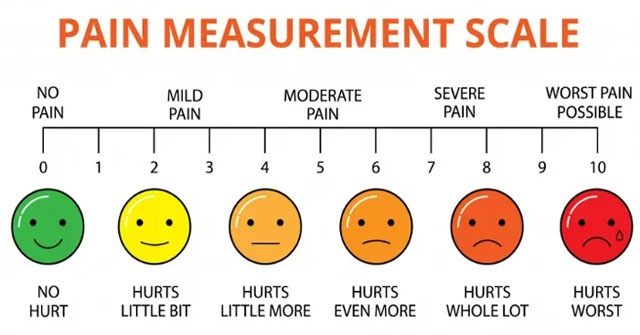
Scientific data suggest that it is likely that people with minimal states of consciousness, such as when unconscious, still experience pain if they are experiencing some…
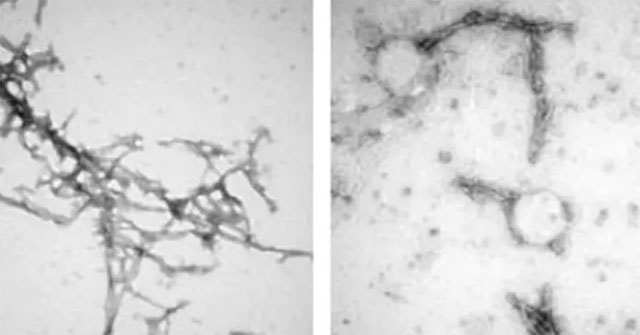
Concentrated clumps of protein in the brain have been linked to neurodegenerative diseases such as Parkinson's.

New research from Cornell University, USA shows that dogs can 'see' as well as smell with their very sensitive nose.

Did you know that the smarter a person has the fewer friends or 80% of our thoughts are negative?

This information has been confirmed by Elon Musk himself, in addition, he said he had 'chatted' with this virtual version.

You may think that drinking a little alcohol every day is good for your health. However, scientists do not necessarily think so.
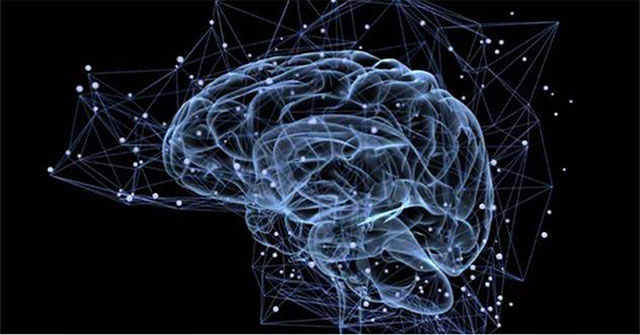
Some people think that the human brain only uses 10% of its capacity, if this threshold is exceeded, they can become superhuman, but scholars have rejected this view. Wh…
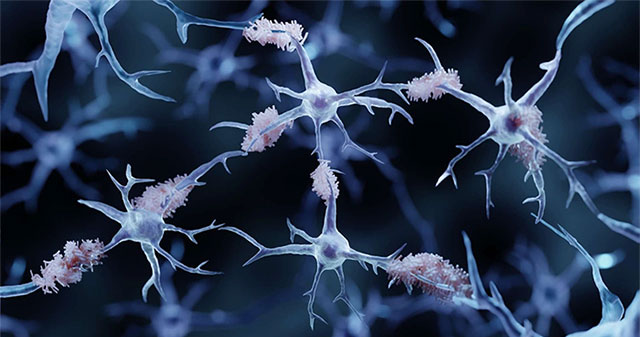
Researchers have tested a new method to slow the progression of Alzheimer's disease with blood transfusions.
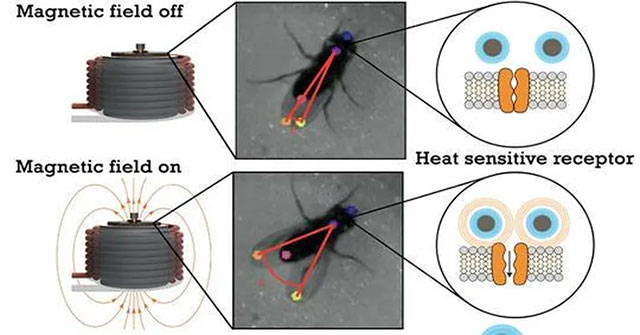
A new study has created fruit flies that 'essentially' can be controlled remotely .

The researchers used a new infectious disease protocol designed to ensure the swine virus is not passed on to a transplanted host.
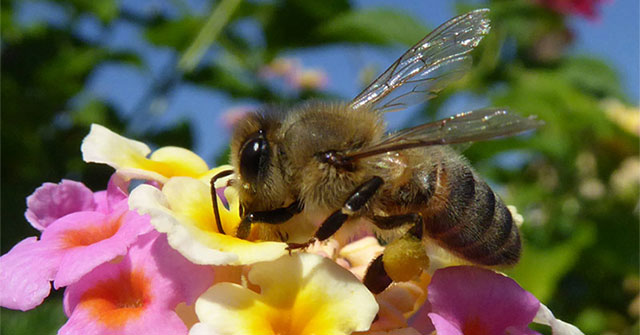
Some insects produce proteins when their bodies are subjected to pain, which have the same effect as humans in regulating how the brain perceives.