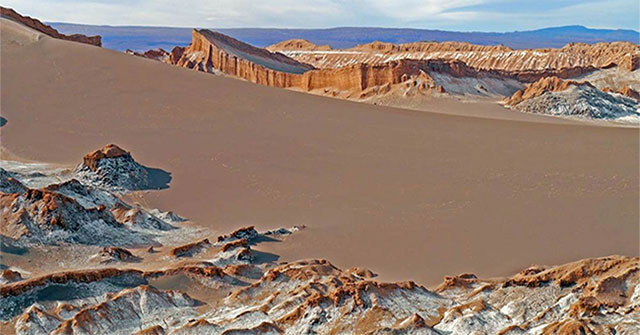
Environment
Strangely, the driest desert in the world, cacti can't live: Home to more than 1 million people!
In this desert, bacteria cannot live because the air is too dry. Yet, more than 1 million people still live there. Where is it?
Browse ScienceInfo articles and explainers related to Cacti.
16 published items.
In this desert, bacteria cannot live because the air is too dry. Yet, more than 1 million people still live there. Where is it?
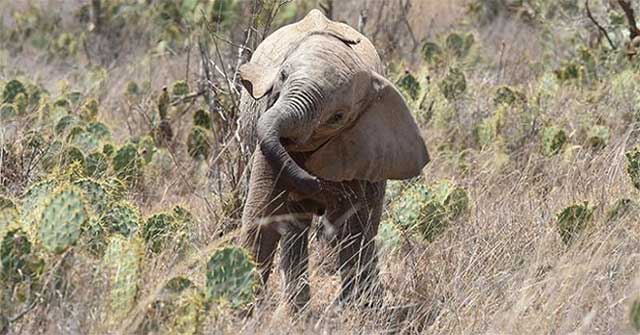
The ability to take root from every part and layer of thorns makes Opuntia cacti a threat to people, cattle and wildlife.
According to a Spanish anthropology professor, humans use hallucinogens and opium poppies from the Stone Age.
A fisherman has picked up from the bottom of a river flowing through the locality a fossil skeleton of a strange animal, but at first glance everyone must say that it is…
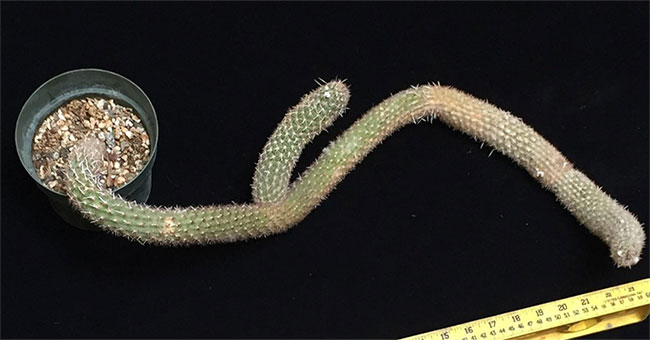
The deformed cactus, worth up to billions of VND, is a rare species of Haageocereus tenuis, expected to become extinct by 2024.
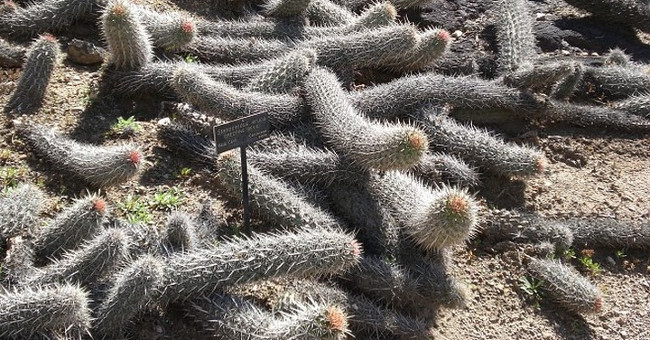
Unlike other types of cacti in the world that often grow vertically, Creeping Devil grows horizontally and lies on the ground.
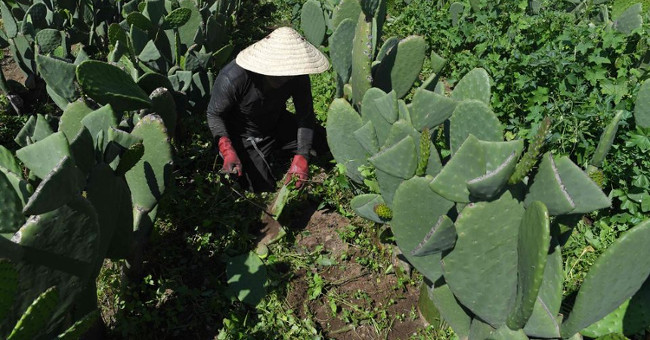
Green cactus with many spines is a symbolic tree and is an inseparable part of the life of Mexican people.
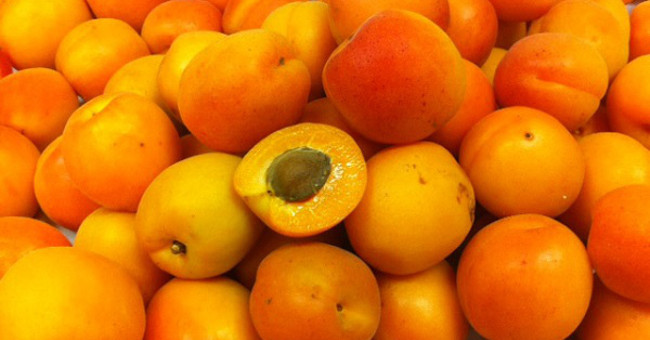
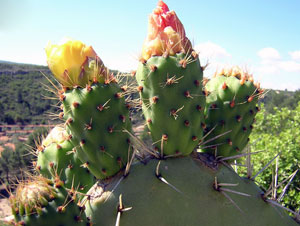
Scientists from Polytechnic University (VNU-HCM) and Hanoi Polytechnic University have taken seeds from red ripe fruits of Nopal cactus grown in Ninh Hai district, Ninh…
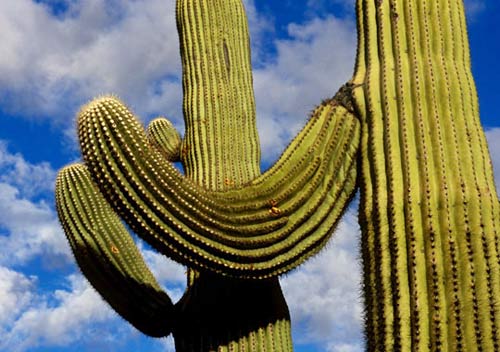
Although most of the cacti appear to have no leaves on the surface, a new study confirms that all these thorny plants actually have microscopic leaves.
For a long time, cactus has become a popular ornamental plant because it is easy to grow and does not need too much care.
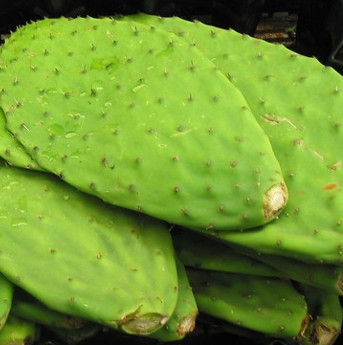
Cactus, a species that often lives in arid deserts, may be the solution to the prolonged drought in California, USA.
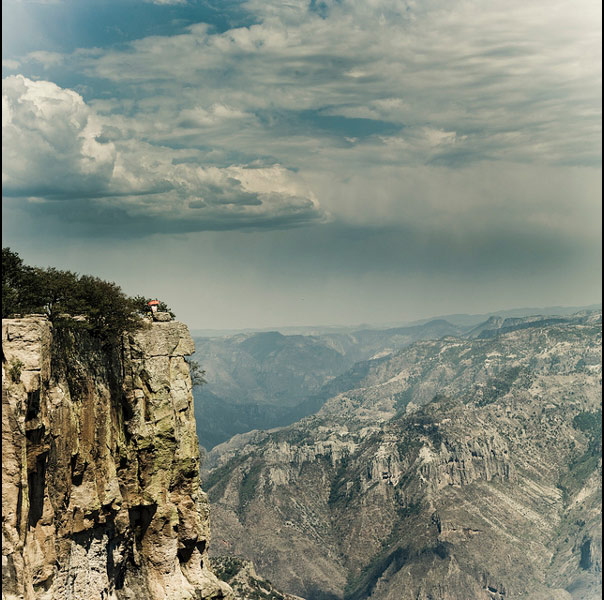
Blushing cacti in the high-rise earth towers and vertical rocks next to the winding river in the world-famous canyons, mostly in the United States.
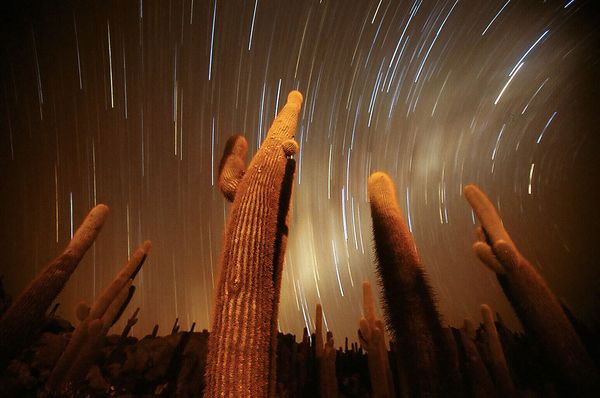
Look back at the most beautiful and outstanding photos selected by National Geographic last week.
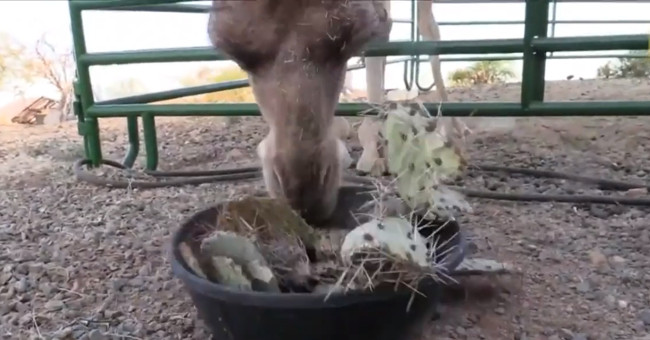
Camels can devour a spiny cactus full of spines thanks to the specially constructed part of the mouth.