Life
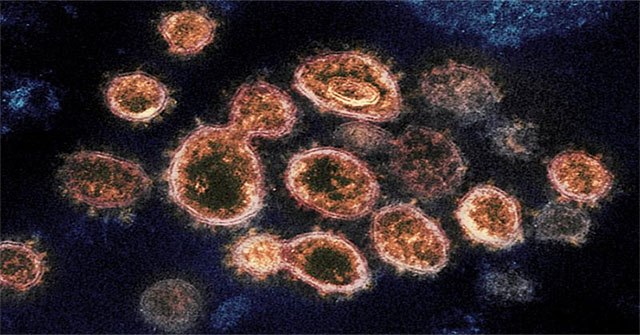
The cell adhesion capacity of SARS-CoV-2 virus is 1,000 times stronger than SARS
The finding helps find out how SARS-CoV-2 spreads as well as the source and how to deal with this new strain.
Browse ScienceInfo articles and explainers related to Cell.
3,353 published items.
The finding helps find out how SARS-CoV-2 spreads as well as the source and how to deal with this new strain.
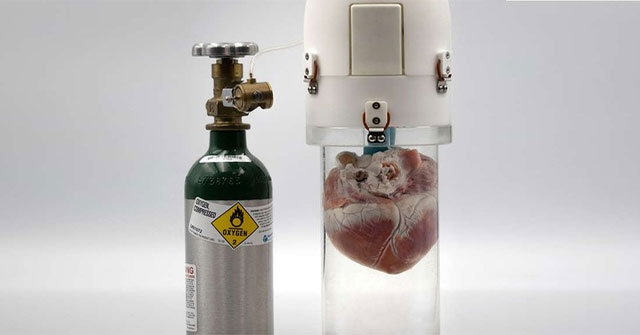
From the moment an organ is removed from a donor and frozen, cells in that organ begin to die.
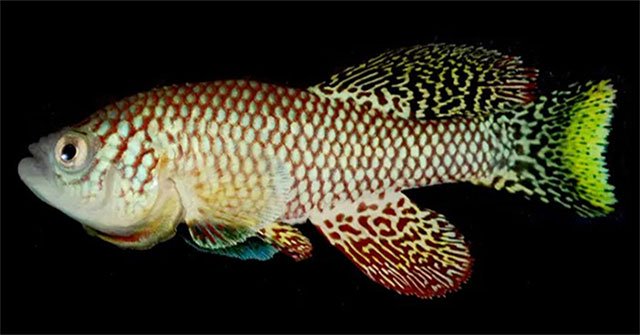
Turquoise Killi eggs can temporarily stop growing for many years, longer than the fish hatching, a scientific term called 'sex period'. - VnExpress
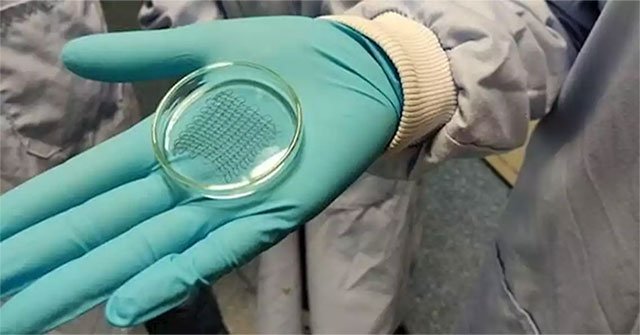
Researchers have recently developed a heart patch made of a conductive polymer material designed to be implanted in a patient's heart to replace the heart muscle damaged…

A film from the 1940s showing how to operate and use mobile phones far different from today.

These solar panels can work very well even in unfavorable weather conditions like cloudy or rainy weather.

In 1930, the New York Times published an article about a Chinese man who lived to be 256 years old, married 23 wives and had 108 children.
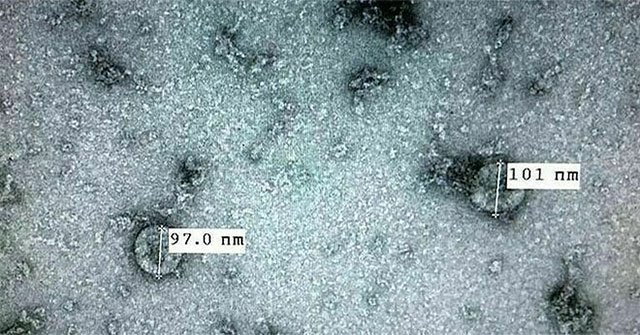
Viruses must invade cells to survive and multiply, if killed the virus, the body cells are also damaged.
Once the corona virus is able to penetrate into the bloodstream, not only the lungs, but almost any organ in the body, can become the target of this dangerous pathogen.
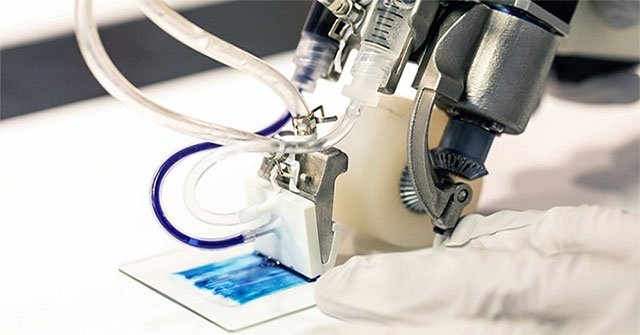
A team of researchers in Canada has successfully developed a handheld 3D skin printer to handle severe burns by 'printing' skin cells directly onto the wound.
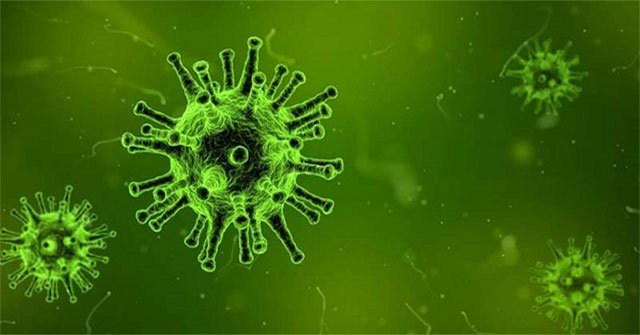
The researchers said that the antiviral activity of AGO4 protein opens up hope of developing treatments for many viruses at the same time.
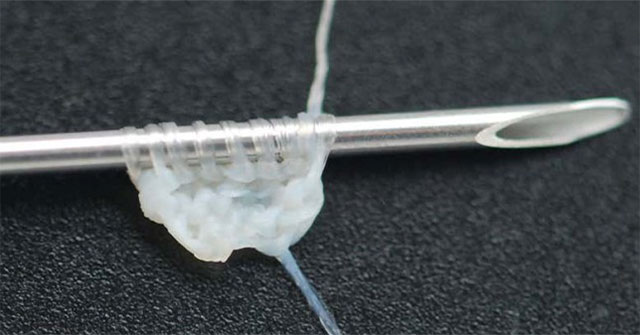
This technique uses only made from human skin cells to assist surgeons suturing wounds to patients, to replace materials that may cause reactions to the body.
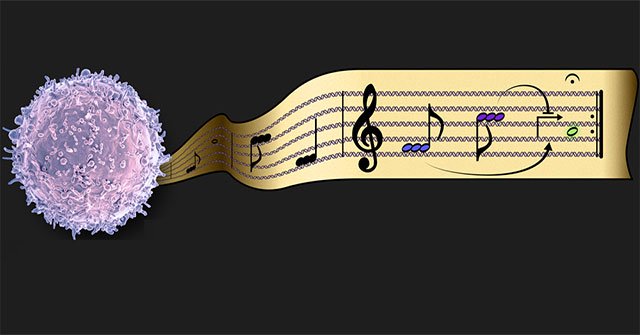
US scientists have developed a new platform called COMET that enables the discovery and modification of basic cellular functions.
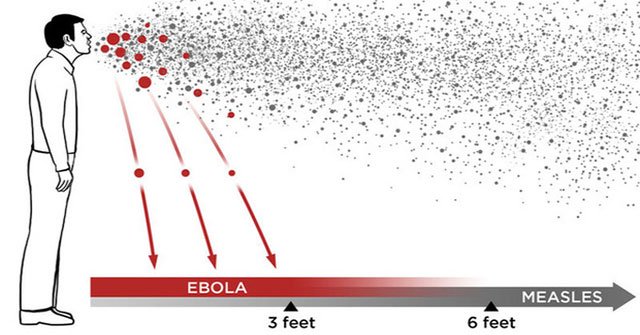
The over-reliance on host cells pushes the virus to the limits of the definition of life. Some scientists say viruses live, but others say they're just inanimate entitie…
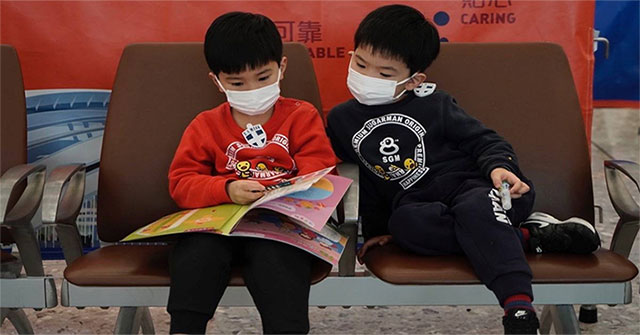
Perhaps due to some biological differences, children's cells are less sensitive to nCoV, making it difficult for the virus to multiply.