
Discover science
As many as 10 reactors make the scientific community fear the Chernobyl disaster again
The reactors of the same type that caused the Chernobyl disaster are still in operation, though improved in quality and safety.
Browse ScienceInfo articles and explainers related to Chernobyl.
56 published items.
The reactors of the same type that caused the Chernobyl disaster are still in operation, though improved in quality and safety.
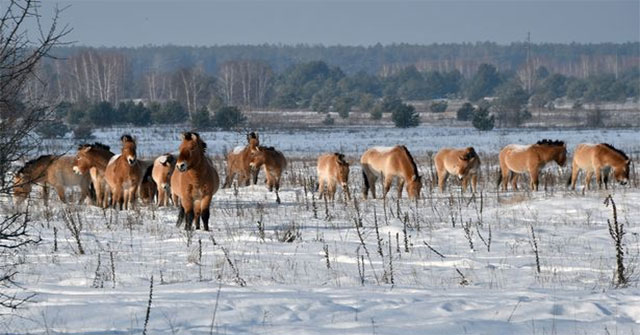
Wild deer, bison, Przewalski horses and 200 species of birds have proliferated in the area once the Chernobyl nuclear disaster occurred, in Pripyat, Ukraine.

This remarkable new finding contradicts official statistics about the 'Away area', where many species suffer from adverse radioactive effects during the accident, thus l…
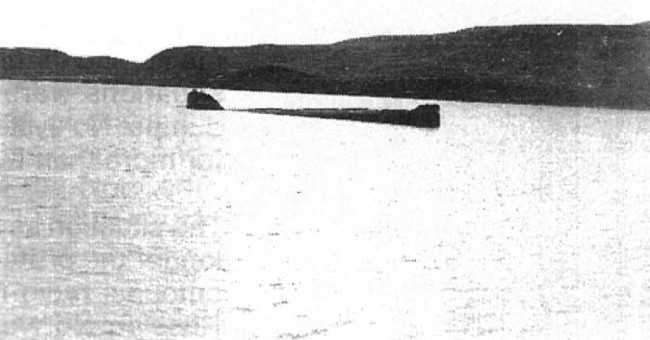
At the height of the Cold War in 1968, 144 Soviet sailors on the K-27 submarine sailed to the North Pole to collect information about the NATO base.
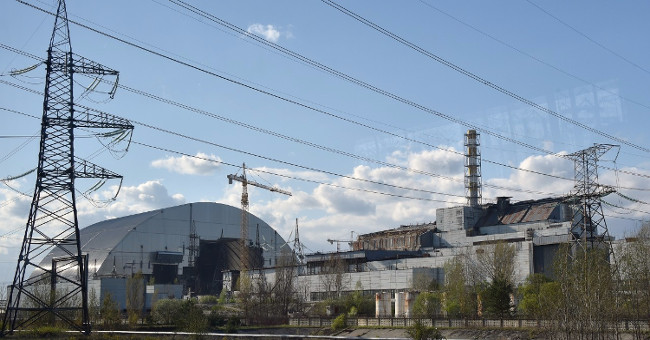
Euronews news network on November 15 reported the work of moving and
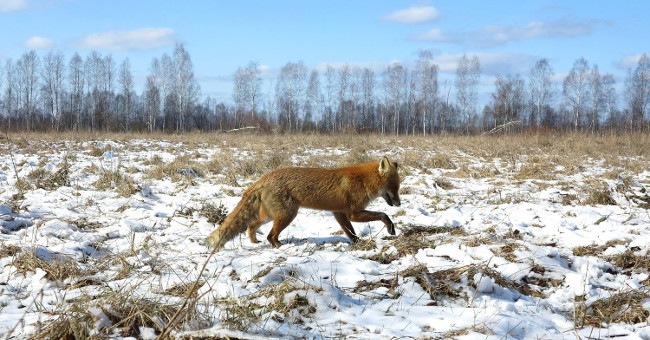
Biologists have discovered the secret to help some animals and birds survive in the Chernobyl quarantine.
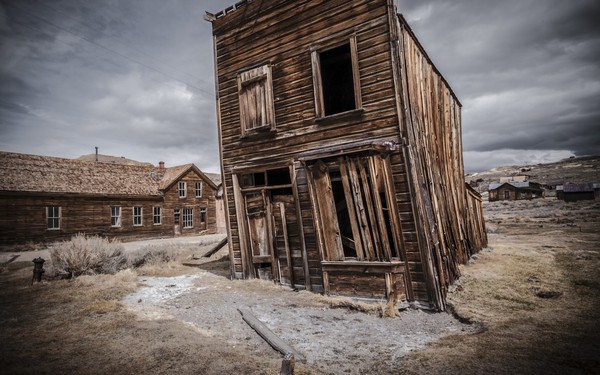
Few doubts, the place once once a busy industrial park has become abandoned, scary to people. So what makes these places like that? Is it the exploitation of natural res…

When the Chernobyl nuclear reactor exploded in 1986, radioactive elements were released into the air and scattered throughout the Soviet Union, Europe and the South East…

Nearly 30 years ago, all the world's attention was on the explosion of the Chernobyl nuclear power plant in Ukraine, one of the most serious atomic disasters in human hi…

Radiation exposure from the Chernobyl incident in 1986 left long-term sequelae on trees in the area, according to a new study.

After 20 years of nuclear disaster, the level of radiation at Chernobyl caused insects to stay away from the area.
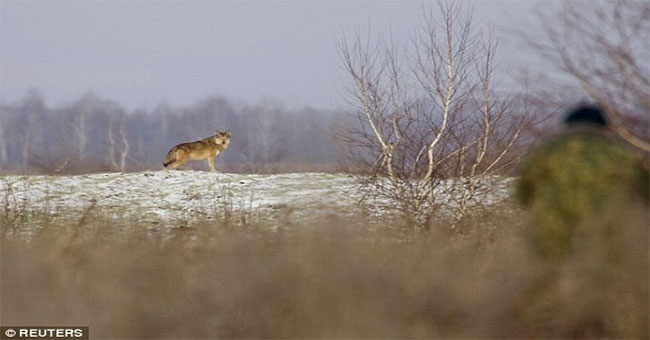
A new study published on the Daily Mail warned that wolves from the area suffering from the Chernobyl nuclear disaster could spread mutant genes across Europe.
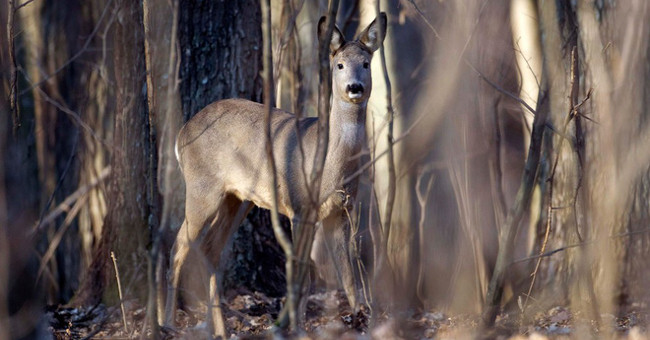
Chernobyl was a terrifying disaster because of its huge effects on humans: at least 237 people died from radioactive contamination.
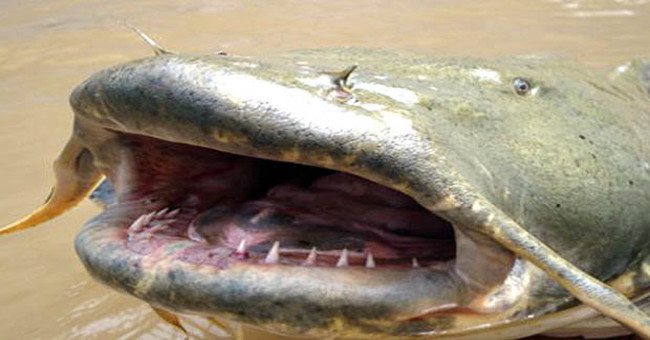
The news from Dailystar, the Russian media, cited the information of a fisherman's blog with a photo of the
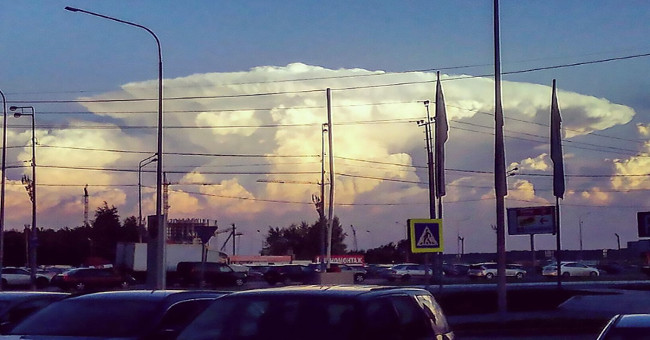
Either it was going to rain, or America dropped a nuclear bomb on Russia, a Russian reader shared after seeing this scene.