
Space science
China will launch satellite to search for Earth clones
With 10 to 15 times stronger than NASA's Kepler telescope, the new Chinese satellite will find exoplanets in the habitable zone of a Sun-like star.
Browse ScienceInfo articles and explainers related to China.
2,237 published items.
With 10 to 15 times stronger than NASA's Kepler telescope, the new Chinese satellite will find exoplanets in the habitable zone of a Sun-like star.
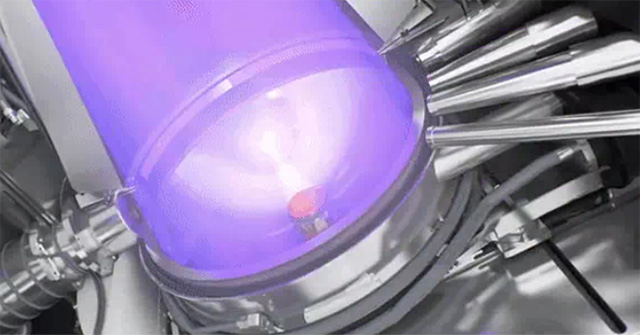
Photolithography comes from the Latin word for optical printing technique. In the past, people printed with inscriptions on stone. The sheets will be compressed onto the…

The world's largest electric yacht has just made its first voyage after sailing from the port of Yichang in Hubei province and back from the upper Yangtze River, China.

To ensure the daily activities of the little princes and princesses, there will be special nannies in the palace.
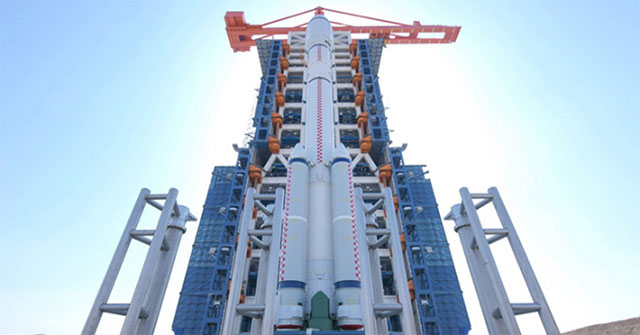
Long March-6A rocket using a combination of liquid and solid fuel made its first successful flight on March 29.
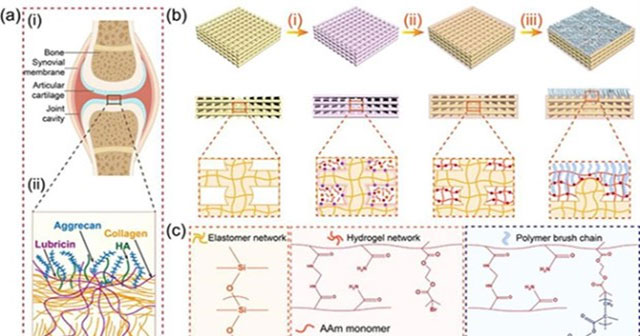
Chinese researchers have developed a two-layer lubricating composite that exhibits excellent mechanical resistance and a unique stress-dissipating mechanism.

China's Mars rover sends back to Earth a new selfie, showing a dusty surface and long rear wheel tracks.

In the future, Chinese astronauts can control the robotic arm of the Tiangong space station with brain waves with 99% accuracy.
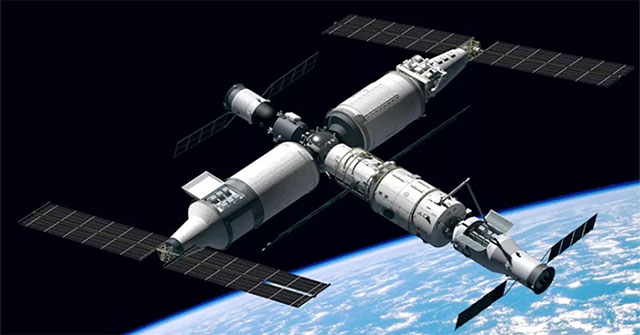
China is encouraging commercial space tourism. Accordingly, the Thien Cung space station can open its doors to space tourists within the next 10 years.
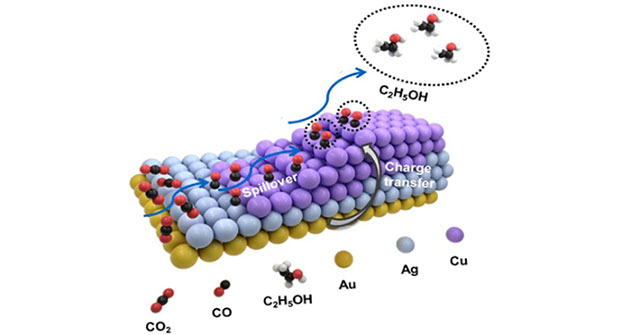
Chemists have developed a microstructure that could potentially improve the chemistry of capturing carbon from the atmosphere.
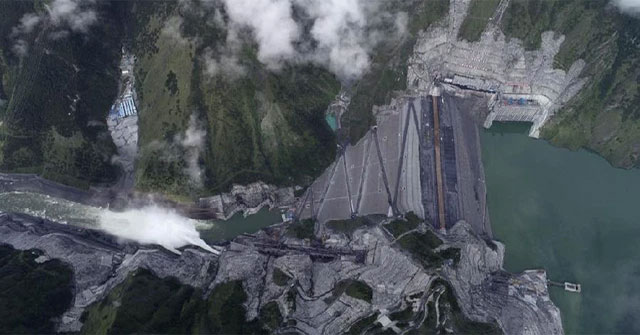
To build the entire earth and rock dam of the Mesopotamian super-hydroelectricity, it takes 20,000 tons of explosives, equivalent to an atomic bomb dropped on Hiroshima.
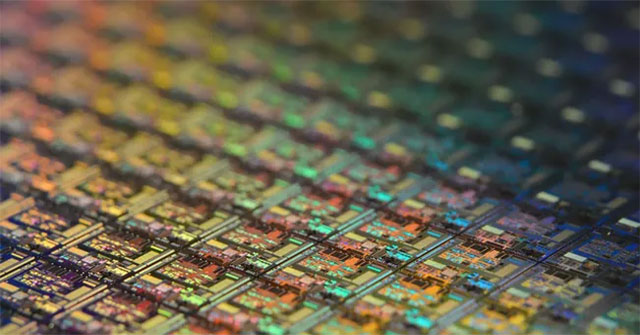
Moore's Law has powered our lives for a while, and it's not dead yet. Chip manufacturers are trying to speed up the miniaturization of transistors to further write this…
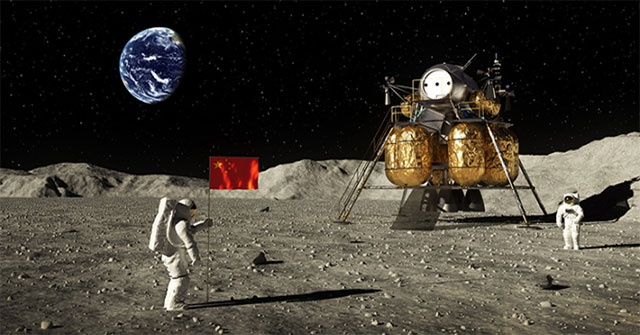
China is developing a new generation rocket to realize its ambition to send a crew to the Moon in the future.
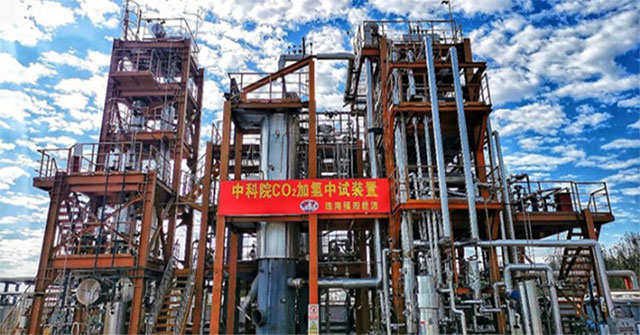
A facility that produces 1,000 tons of gasoline per year from CO2 completed trial operation and technology evaluation on March 4.
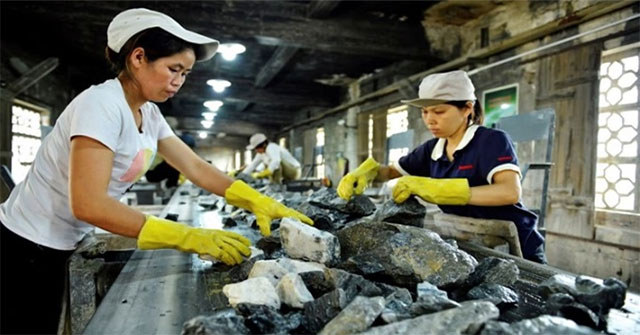
The team at the Chinese Academy of Sciences in Hefei, Anhui province, say they have developed the strongest tungsten material that can be used in a fusion furnace.