New technology
This chip is less than 1 square centimeter processing 2 billion images per second
Engineers at Penn State University have created a chip that can process and classify nearly 2 billion images per second.
Browse ScienceInfo articles and explainers related to Chip.
663 published items.
Engineers at Penn State University have created a chip that can process and classify nearly 2 billion images per second.
The number is equivalent to the chip of a smartphone using a 4G network.
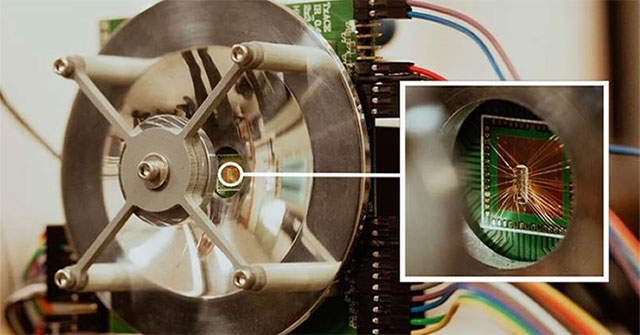
Researchers at the University of Texas and Oklahoma State University (USA) have developed an imaging chip.
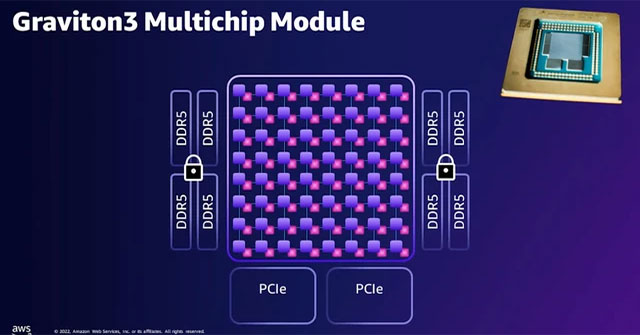
This server processor is self-designed and developed by Amazon for its cloud servers.

New research shows that using honey to create a memristor - a component similar to a transistor, can not only process but also store data in a computer chip.
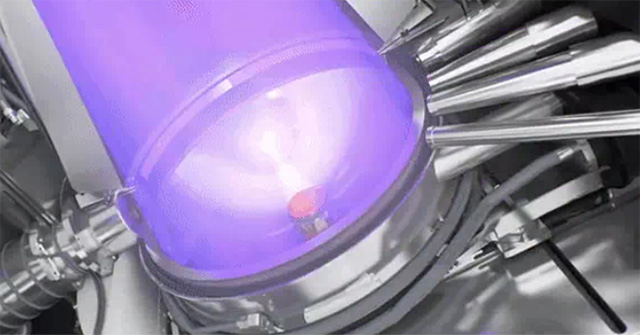
Photolithography comes from the Latin word for optical printing technique. In the past, people printed with inscriptions on stone. The sheets will be compressed onto the…
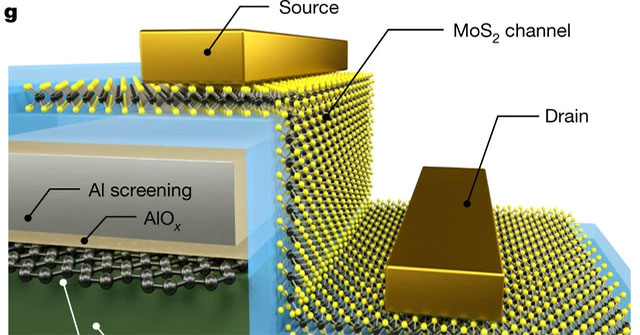
Every time people think that Moore's Law has reached its limit, scientists try to find a new solution to prolong its life again.
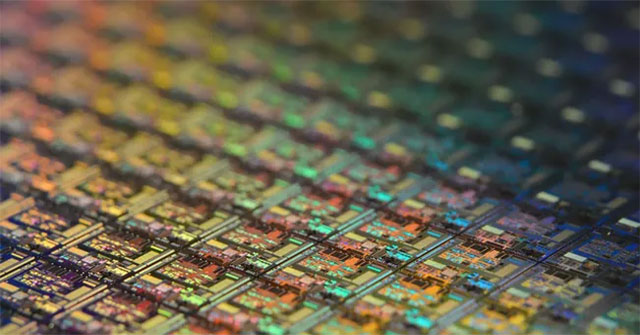
Moore's Law has powered our lives for a while, and it's not dead yet. Chip manufacturers are trying to speed up the miniaturization of transistors to further write this…
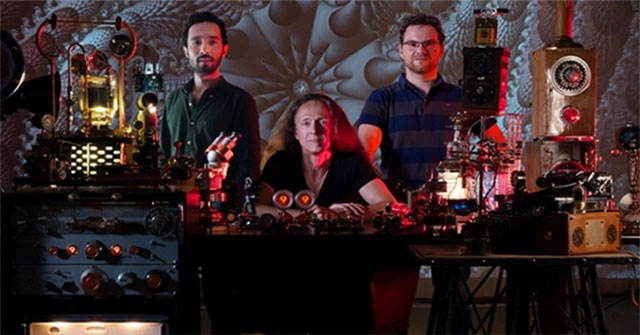
The study, conducted by scientists at the University of New South Wales (UNSW), was published in the scientific journal Nature on January 20.
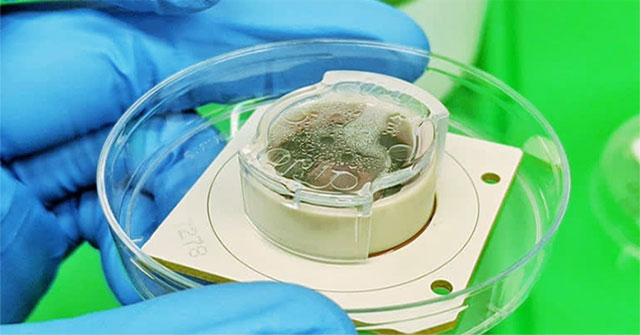
Experts from Cortical Labs, Australia have successfully studied how to integrate biological neurons with traditional information processing chips.
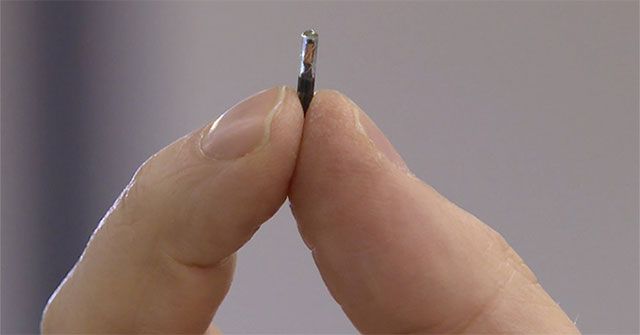
The Swedish company DSruptive Subdermals, which specializes in implantable microelectronics, has developed a Covid-19 vaccination certificate in the form of an electroni…
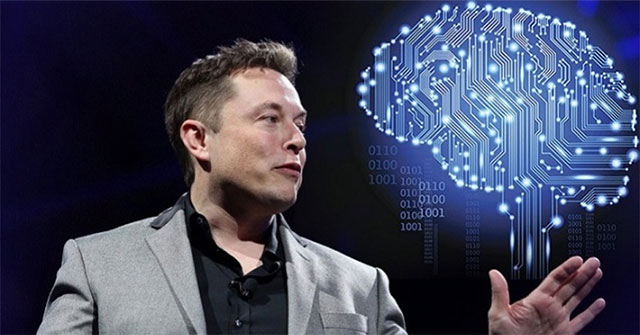
Elon Musk, co-founder of brain-computer interface company Neuralink, said the process of implanting computer chips into paralyzed patients will take place in 2022.
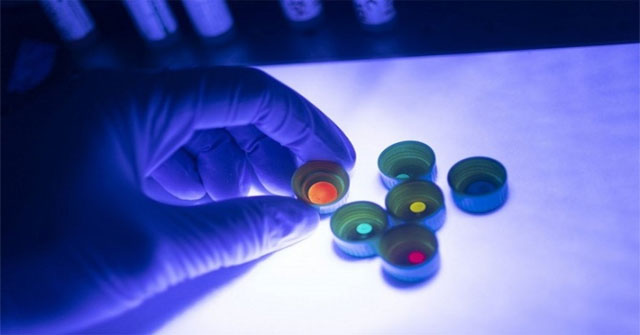
An international team of researchers has developed shatter-resistant glass that could be used to make LED lights, phones and TV screens.
Just like an overworked computer, the artificial intelligence system needs a nap.
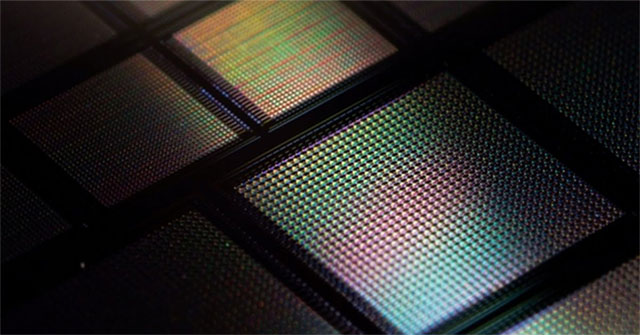
With this technology, artificial intelligence will be stored in a smaller space but much smarter.