Animal world
Mammals are more likely to survive in extreme conditions
In the study, scientists analyzed how nearly 11,500 animals survived the hot and cold changes of the weather over the past 270 million years.
Browse ScienceInfo articles and explainers related to Climate.
1,891 published items.
In the study, scientists analyzed how nearly 11,500 animals survived the hot and cold changes of the weather over the past 270 million years.
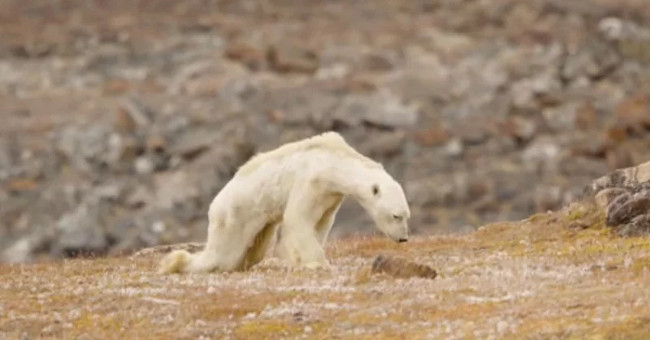
The skinny bear is rummaging through a trash can seen as a symbol of the impact of climate change.
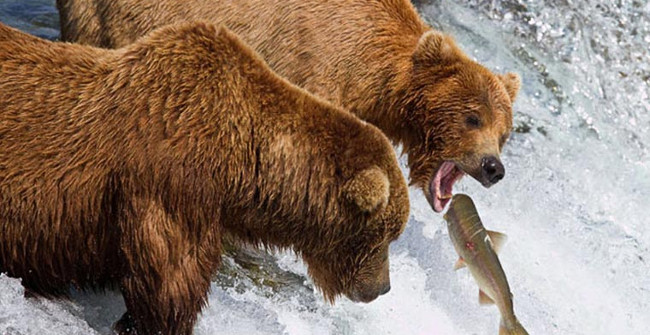
The grizzly bear bears a salmon dish on the stream to climb the elderberry hill to ripen earlier than usual.
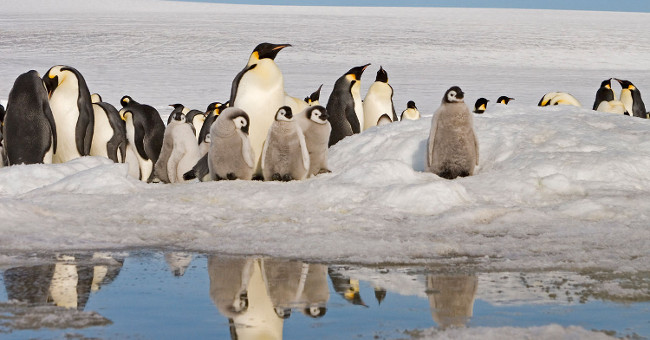
Emperor penguins are famous for their ability to withstand the cold winter in Antarctica, but may not be able to withstand the harshness of climate change until the end…

Climate change is affecting most organisms. Scientists fear that the 6th major extinction with 75% of species will disappear forever.

New research by the London Zoological Society (UK) conducted earlier this year shows that global warming directly affects wild dogs in Africa.
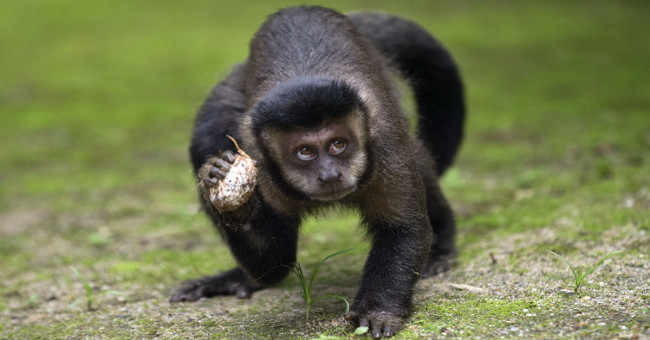
Currently, the yellow fever epidemic in Brazil has peaked with more than 200 deaths.
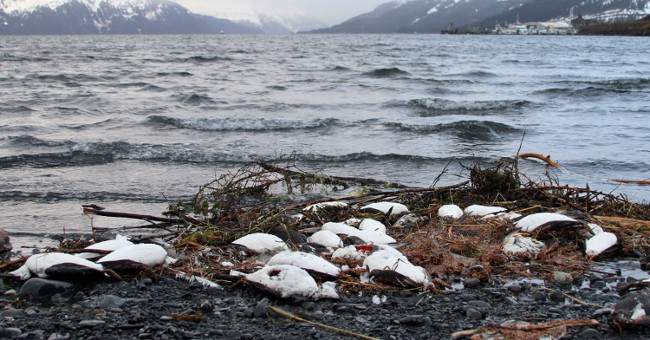
Images of dead birds lying around all over the beach made many people shocked. So what causes them to die so massively?
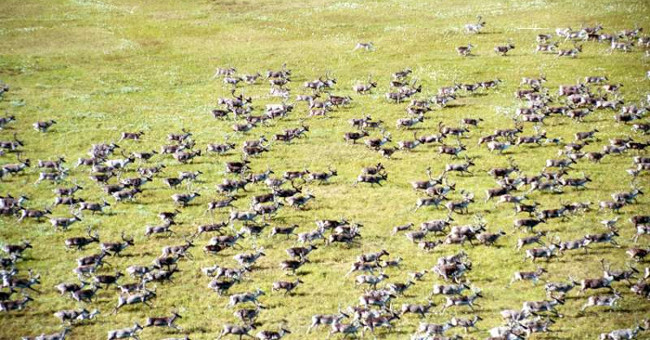
The world's largest wild reindeer population living on Russia's Taimyr peninsula has decreased by 40% individuals due to climate change and human activity.
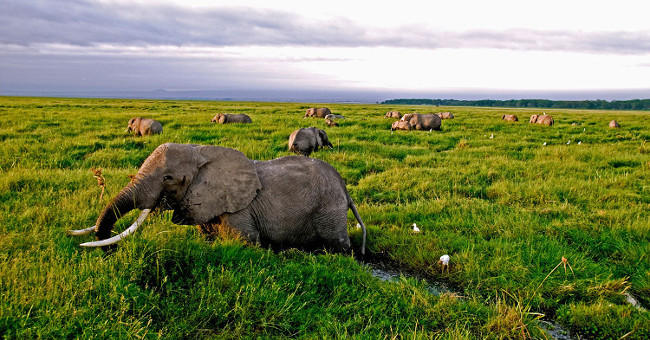
Scientists warn that by 2020, the amount of wildlife is only one-third higher than it was in 1970 with the rate of decline being at 2% per year and there is no sign of s…

British researchers have devised a predictive tool that can protect power plants built on the coast from the risk of attack from jellyfish.
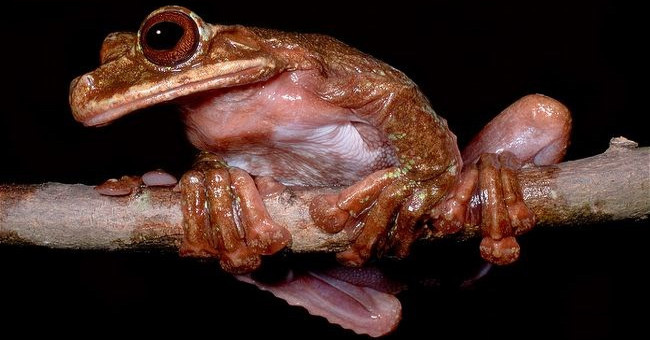
Despite trying to conserve the frog Rabbs species, the last frog of the amphibian finally died.

After decades of hard and serious work, conservationists have found a way to make giant pandas no longer on the list of endangered animals.
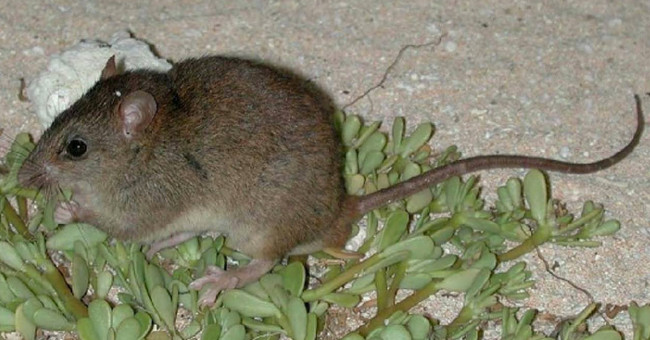
Climate change is sweeping many species, pushing them to shore.
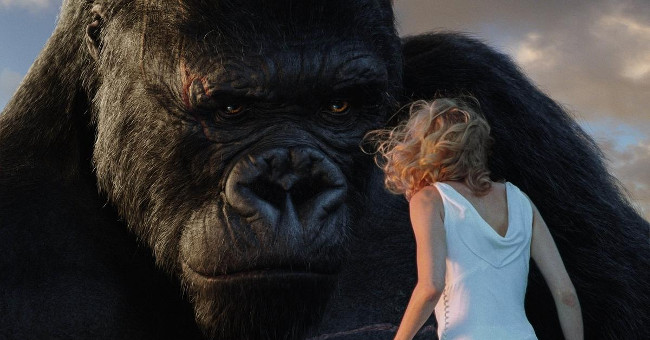
Experts in Germany have discovered the cause of Gigantopithecus - King Kong's real life monster extinct.