Space science
Mysterious gravitational waves in the atmosphere
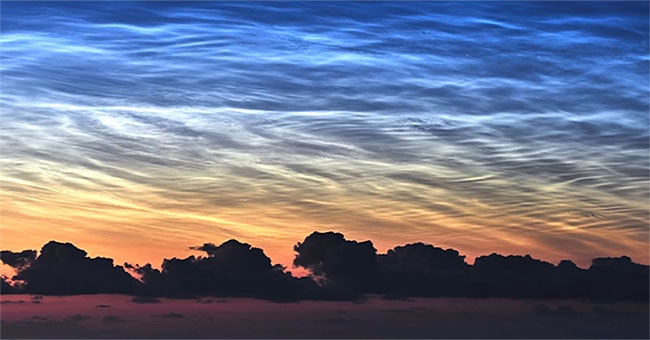
The US Aerospace Agency (NASA) studies mysterious gravitational waves, which occur in the Earth's atmosphere.
Browse ScienceInfo articles and explainers related to Cloud.
844 published items.
The US Aerospace Agency (NASA) studies mysterious gravitational waves, which occur in the Earth's atmosphere.

Observers have not seen the Ninth Planet directly. However, the Goblin dwarf planet seems to be influenced by the gravity of the unidentified giant.
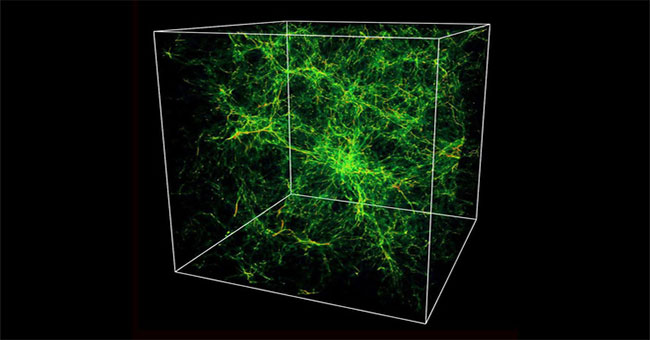
Scientists have discovered the missing part of the 1990s, knowing where it lies but it has not been confirmed until now.
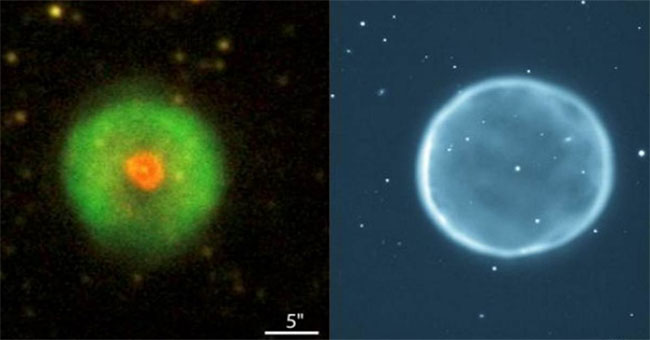
The team of astronomers at the Institute of Astrophysics in Andalucia (Spain) led by Martin Guerrero discovered a nebula
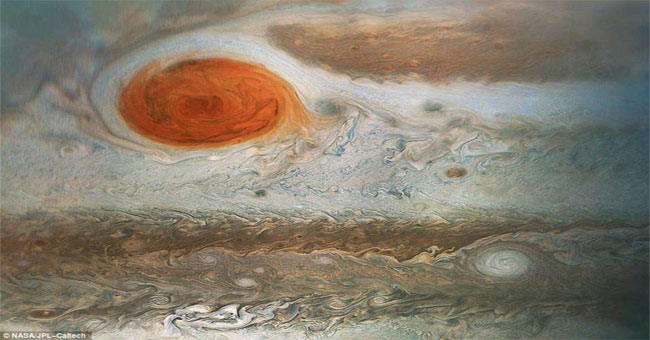
Clouds of this country are found right in the Great Red Spot - the red storm that existed for centuries on Jupiter.

NASA's Juno spacecraft has just gathered a lot of interesting data on the closest approach to Jupiter's beautiful multicolored sea.
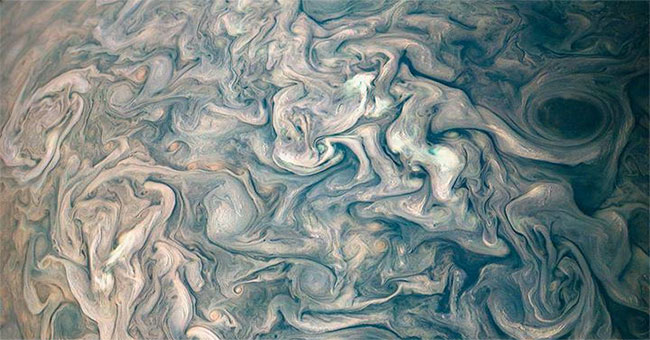
Images taken from the Juno spacecraft and JunoCam camera show clouds surrounding the atmosphere in Jupiter's northern hemisphere.
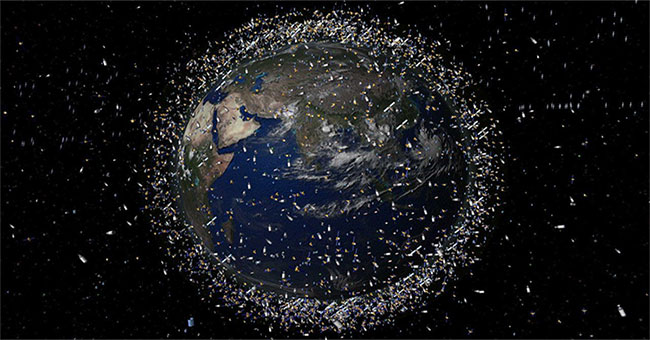
Artificial technology clouds in the universe, similar to the network of telecommunications satellites that surround the Earth, are most likely the hallmarks of extraterr…

To make this discovery, astronomers at Case Western Reserve University first used a 75-year-old telescope in the southwestern mountains of Arizona.
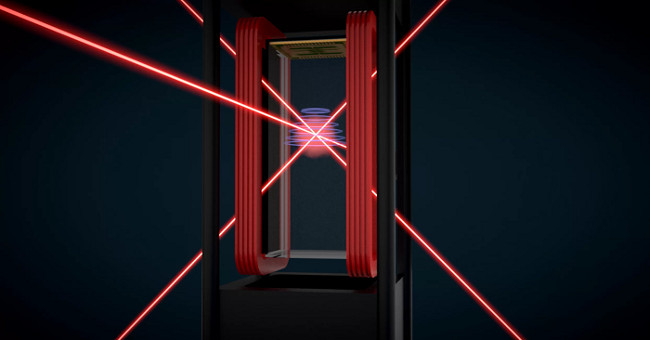
CAL is a physical research facility the size of a cold stone container designed by NASA's Jet Propulsion Laboratory (JPL) in California, USA.
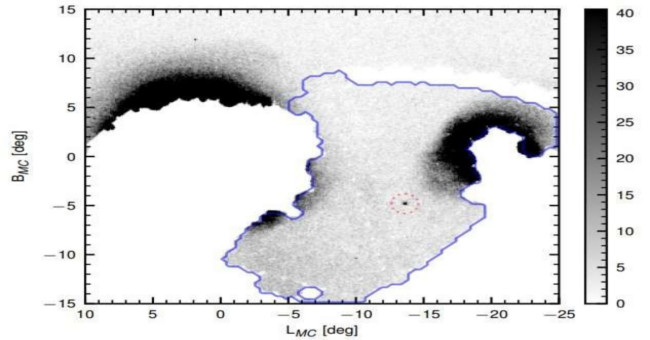
The study shows that the Hydrus 1 galaxy is elliptical and light, located about 90,000 light-years from the sun and about 78,000 light-years from the LMC Cloud.
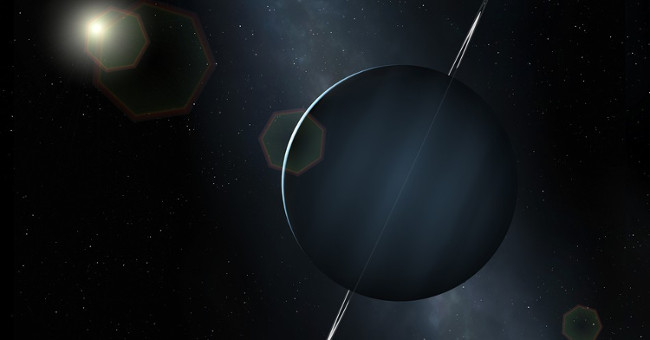
This planet, which has a pretty meaningful name
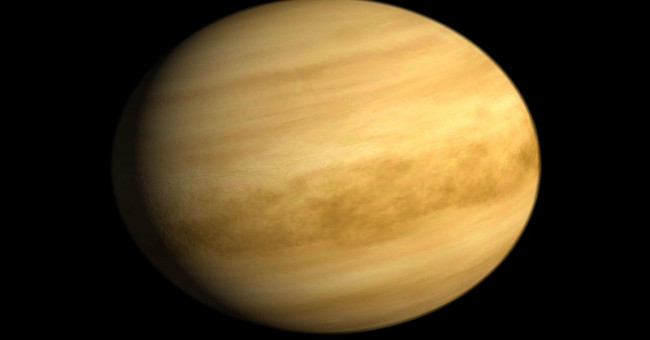
A new study shows that clouds on Venus are capable of containing alien microorganisms, Newsweek reported on April 2.
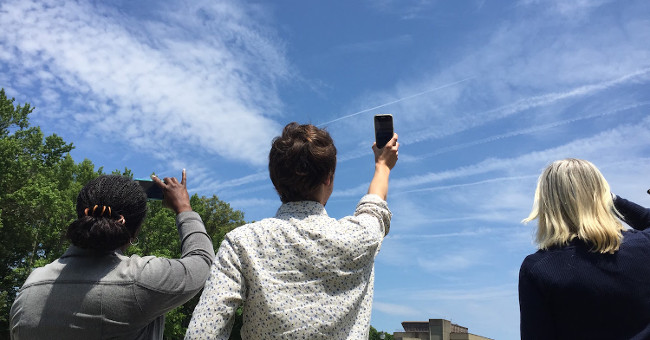
NASA has just revealed that they are asking global people to help them verify data from Clouds and the Earth satellite's Radiant Energy System (CERES).

For a period of 3 years, Nobeyama 45m telescope observes the galaxy Milky Way for 1100 hours to create this map.