Space science
The giant area proliferates new stars
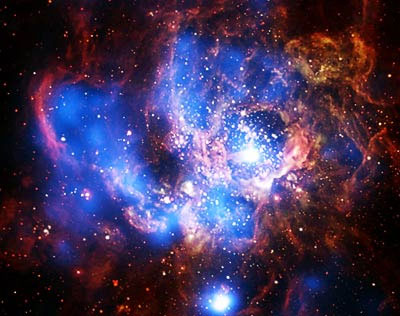
A huge area, larger than the Orion Nebula, created countless new stars, about 14 000 light-years away from the earth hidden behind a thick cloud of dust.
Browse ScienceInfo articles and explainers related to Cloud.
844 published items.
A huge area, larger than the Orion Nebula, created countless new stars, about 14 000 light-years away from the earth hidden behind a thick cloud of dust.

Scientists at the University of York, Canada on July 4 published the results of a study that found snowfall early every morning on Red planet.

'The inevitable future of Barnard 68's cloudless stars' is to collapse and form a new star.

Astronomers in the northern hemisphere just took the first photos of glowing clouds at night last week.

Observers and researchers of Saturn's Titan satellites say that Titan satellite clouds form and move quite like clouds on earth, but at a much slower rate.

While studying a giant cloud of gas and dust in the center of the Milky Way, German astronomers discovered it contained chemicals that make up the flavor of raspberries.
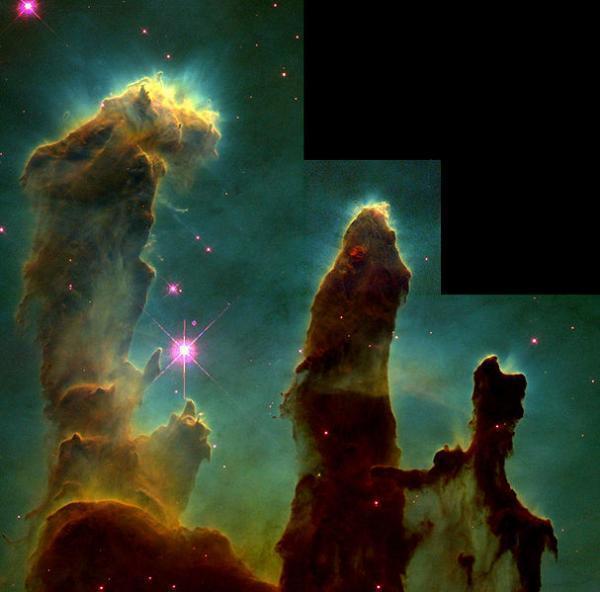
Research by astronomers at the Dublin Advanced Research Institute shows that shadows hold the key to how to form giant star-forming structures like 'Creative Columns'.

NGC 2264 is located 2,600 light-years from Earth in the faint constellation Unicorn of Monoceros, not far from the familiar Hunter constellation of Orion.

A research team developed the first complete map of the Milky Way galaxy's spiral arms.
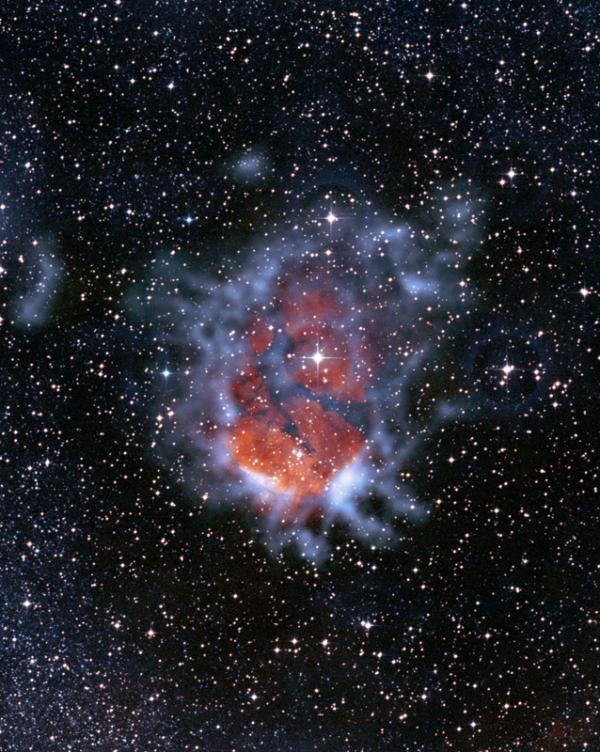
An image of the APEX telescope reveals how an ionized gas bubble causes surrounding materials to turn into dense blocks, thereby forming new stars.

American astronomers argue that clouds of dust and gas escaping from one of Saturn's satellites may contain water, an important factor for life.
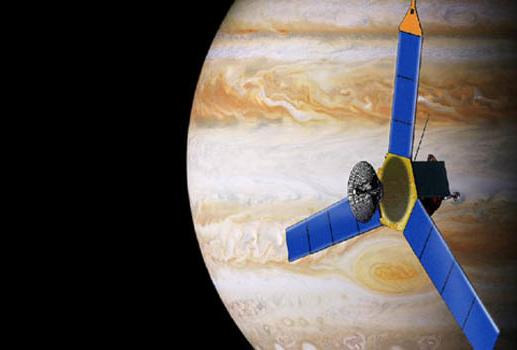
NASA officially undertook a new task to conduct a very detailed study of the planet.
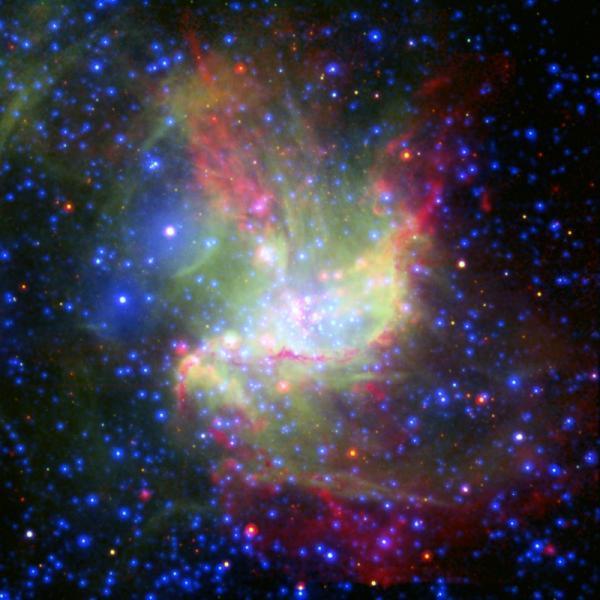
The terrestrial and space telescope combined to capture a picture provides a new perspective on the region's history with a great deal of NGC 346.
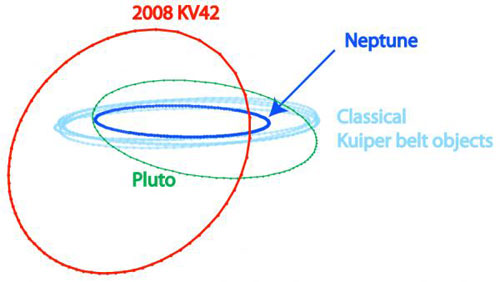
An international team of scientists has found a strange object whose reverse and tilting trajectory may shed light on the origin of the comet.

One thing everyone knows is that wind is fast and strong on Venus. Currently, the ESA Venus Express probe for the first time builds a three-dimensional image of the wind…