Archeology
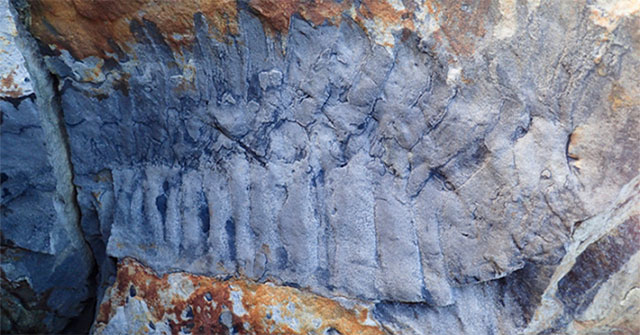
Discovered an ancient fossil as big as a crocodile
A team of paleontologists has released a giant millipede fossil, found on a beach in England in 2018.
Browse ScienceInfo articles and explainers related to Creature.
1,426 published items.
A team of paleontologists has released a giant millipede fossil, found on a beach in England in 2018.
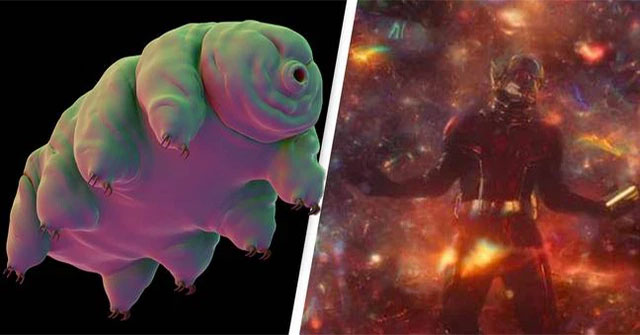
Scientists have succeeded in performing another boundary-breaking experiment with this experimental water bear that is more complex than any previous one.
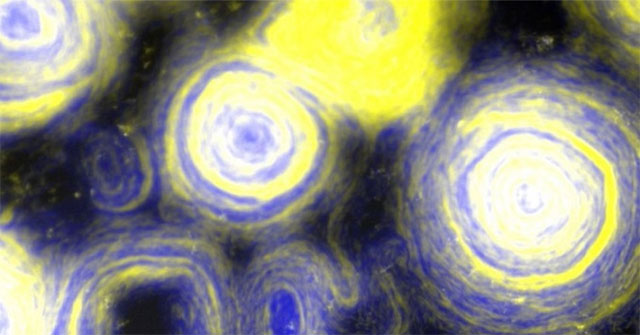
The swarm of flesh-eating bacteria clings to each other in a vortex with yellow and green colors similar to the painting 'Starry Night' by Dutch artist Vincent van Gogh.
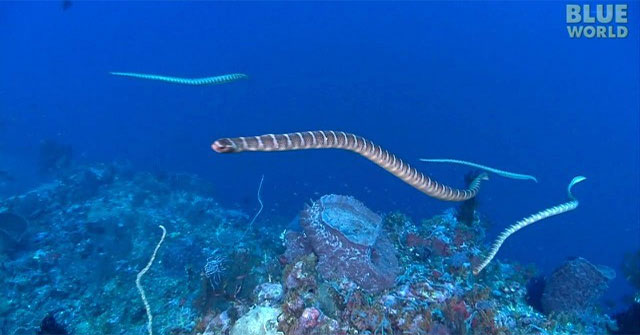
Not only sea creatures, but people who were born with a fear of snakes did not dare to face sea snakes.
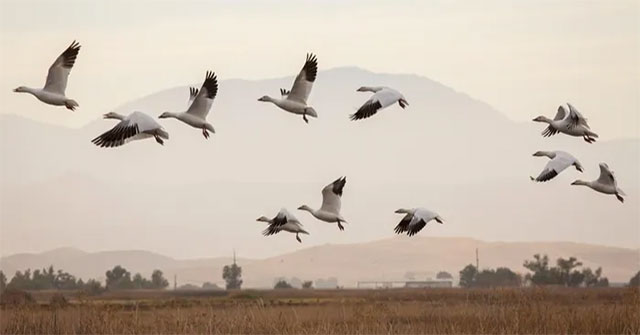
Migratory birds make their own adjustments, especially over extreme long distances.
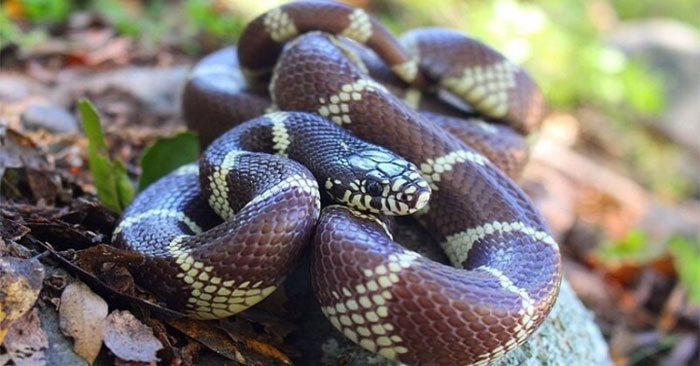
The Spanish king snake became a ferocious reptile-eater when it was brought to the island of Gran Canaria in the Canary Islands.
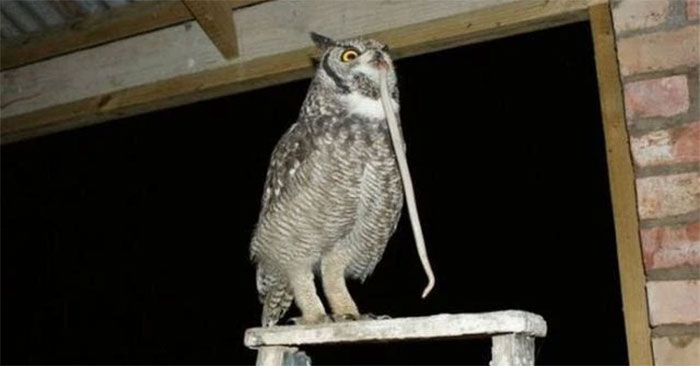
After taking care of an injured owl, this man was
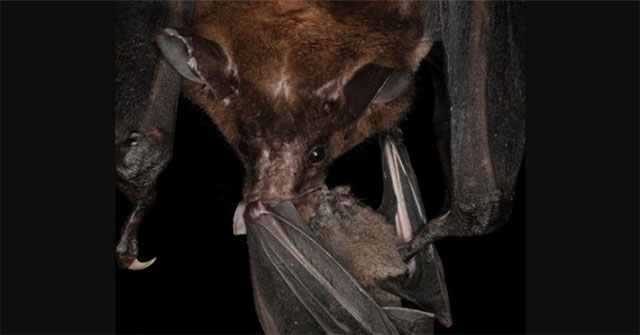
Ghost bats are likened to jaguars with wings because they also kill their prey with a fatal bite on the top of the head or the back of the neck like a leopard.
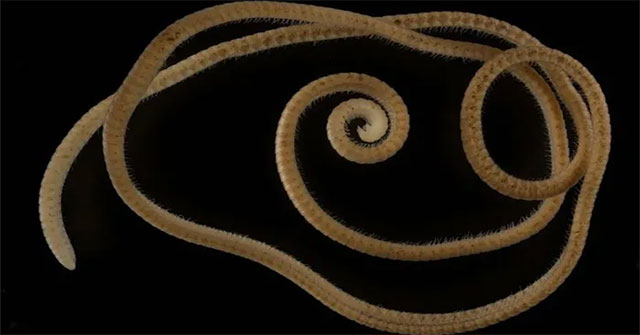
According to the study, published in the journal Scientific Reports on December 16, scientists say the newly discovered milipede species is blind, named Eumillipes perse…
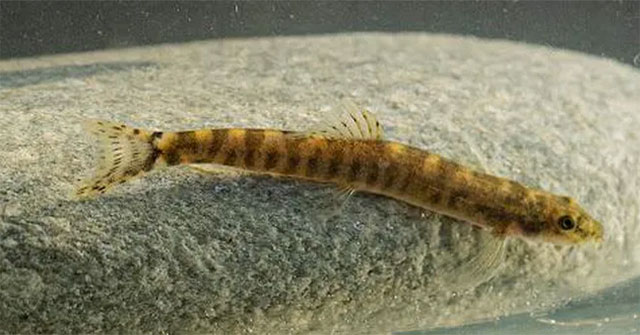
Turkish researchers have rediscovered a species of freshwater fish that hasn't been seen in nearly 50 years.
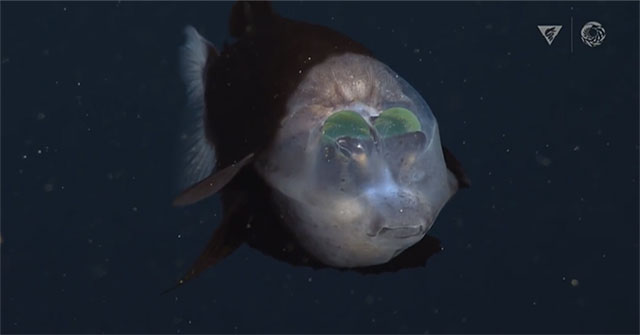
The remote-controlled vehicle captured a rare sight of the barreleye fish, an animal with blue eyes that can peer through the forehead in search of prey.

TipsMake - When in danger, many snakes often find a way to hide quickly or attack violently, however, a snake called Hognose has a special way to defend itself when in d…
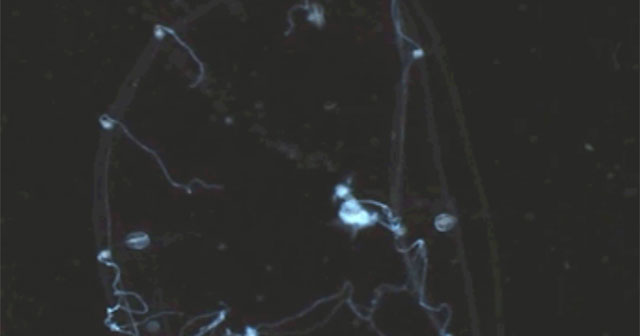
Although jellyfish don't have brains, scientists have found a way to read their minds.
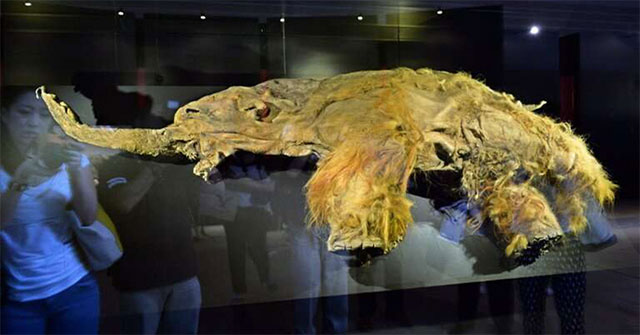
New DNA evidence reveals the famous woolly mammoth existed in Canada as long as 5,000 years ago, after being thought to be extinct worldwide for several millennia.
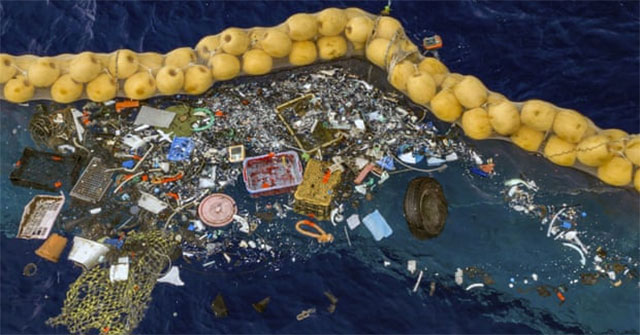
Called the neo-ocean community, swarms of these creatures are growing in the Pacific Garbage Island area and drifting with the currents.