Archeology
Surprising truth about the new 'tyrant Nano' monster remains
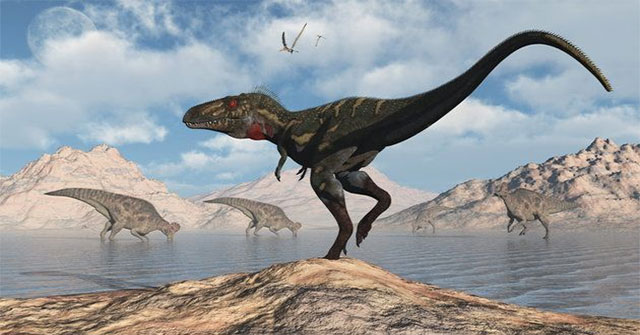
A 50-year-old controversial mystery about a prehistoric monster named Nanotyrannus, a hybrid of Tyrannosaurus Tyrannosaurus, has been deciphered.
Browse ScienceInfo articles and explainers related to Dinosaur.
878 published items.
A 50-year-old controversial mystery about a prehistoric monster named Nanotyrannus, a hybrid of Tyrannosaurus Tyrannosaurus, has been deciphered.
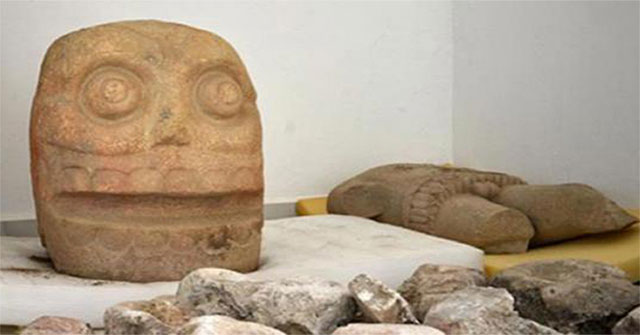
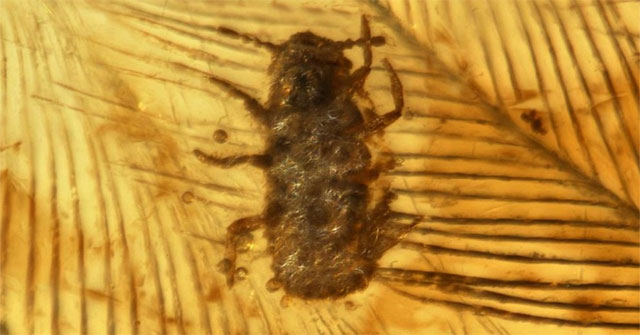
Scientists have unearthed an amber containing feathers of dinosaurs along with many ancient lice nearly 99 million years ago.
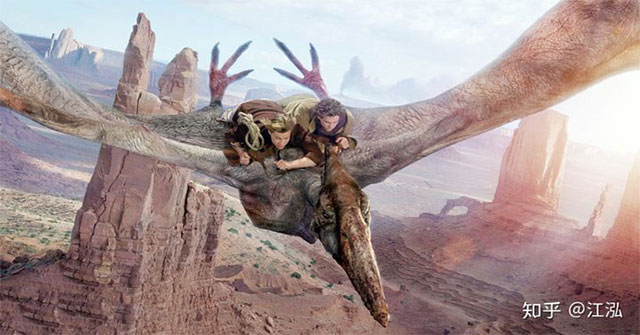
Mankind has the ambition to conquer and domesticate wild animals, but if flying dinosaurs aren't extinct, can humans tame them into mounts?
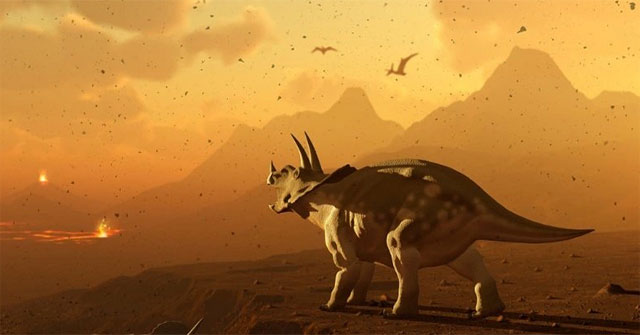
A new study has just published that before Chicxulub asteroid hit the Earth 66 million years ago, dinosaurs and other living creatures were faced with toxic levels of me…

Self-moving rocks can appear hundreds of millions of years ago, sliding on the surface when the ice melted in the early Jurassic.
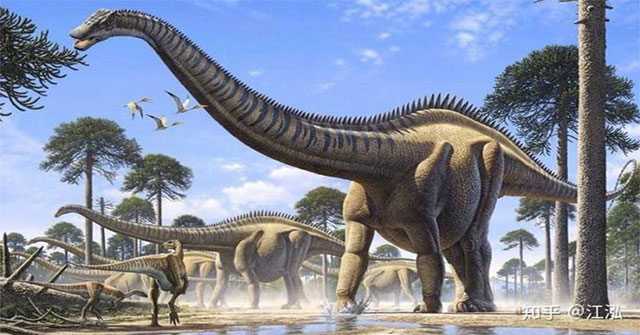
Archaeologists have discovered the oldest hairy dinosaurs on Earth, living in North America and about 150 million years ago.
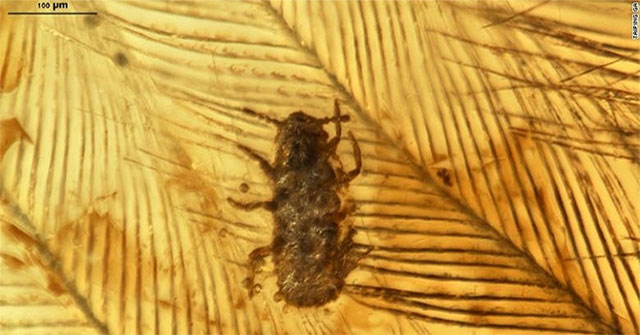
Scientists have discovered that a very small lice-like insect today is stuck in amber masses with an intact dinosaur fur.
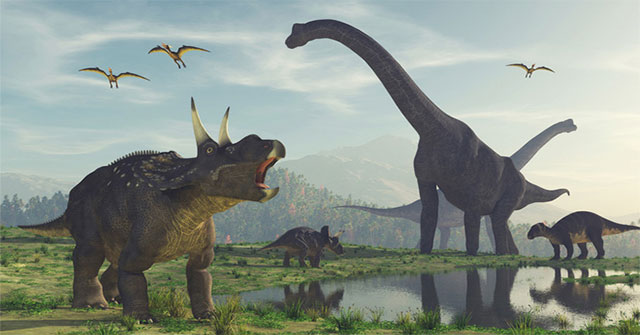
Try to find out why prehistoric animals possessed a much larger size than today's animals.
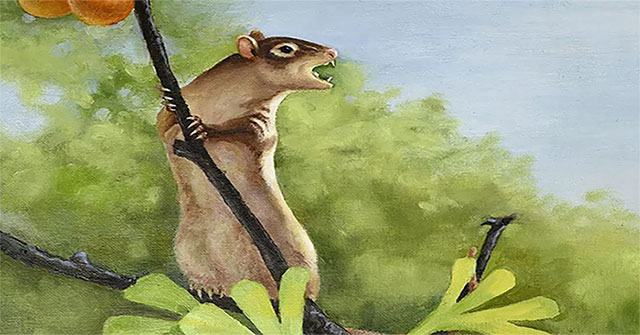
The rodent called Jeholbaatar kielanaeis is part of a mammal species that survived the onslaught of an asteroid that ended the dinosaur era on Earth.
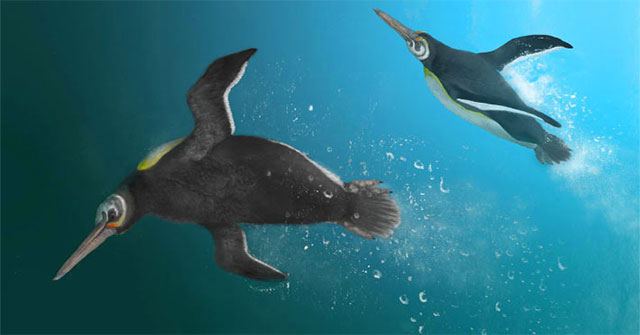
Scientists have discovered that fossils act like a missing link in the evolution of penguins, after they evolved from dinosaurs.
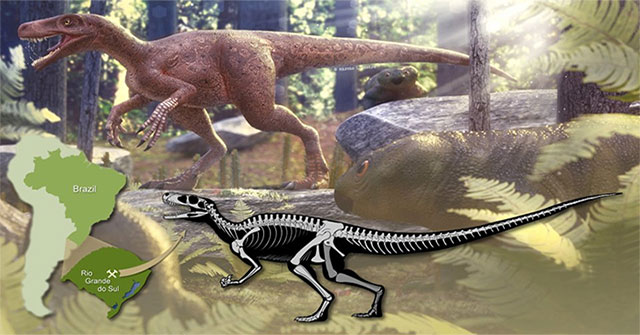
Fossils dating back to the Three Gorges found in Brazil reveal a completely new species of predatory dinosaur that stands at the top of the food chain.
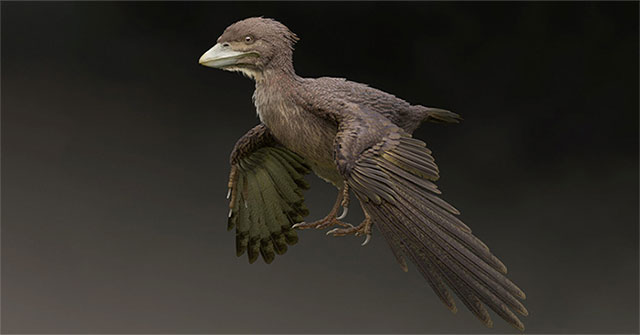
120 million-year-old fossils found in Japan reveal one of the oldest birds on Earth.

Scientists have discovered a stunning collection of fossil feathers revealing how some dinosaurs kept warm during the ancient Gondwana supercontinent in the southern hem…
The new video by NASA scientist Jessie Christiansen will make it easier for you to imagine how short the time humans lived on Earth.