Archeology
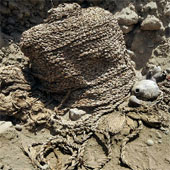
Two mummies intact 1000 years old
New archaeologists discovered two pre-Colombo mummies, dating back over 1,000 years, on the outskirts of Lima, Peru.
Browse ScienceInfo articles and explainers related to EU.
3,465 published items.
New archaeologists discovered two pre-Colombo mummies, dating back over 1,000 years, on the outskirts of Lima, Peru.
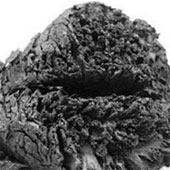
A 4,000-year-old human brain has just been discovered by scientists in western Turkey in a well-preserved condition.
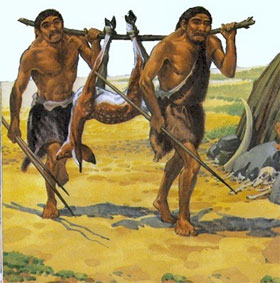
The time when these two groups coexist together lasts about 2,000 years, longer than previously thought.
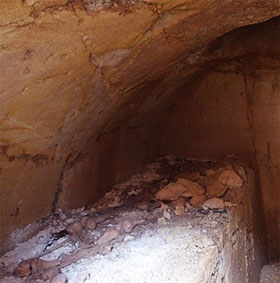
Archaeologists have unearthed an Etruscan tomb (an ancient Italian branch) in a small town about 80km northwest of Rome.
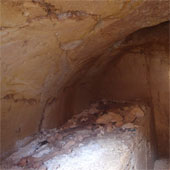
Archaeologists in central Italy have unearthed two bronze statues of women and many other rare artifacts of the Etruscan civilization dating back 2,500 years.
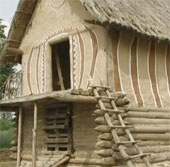
The largest settlements in Europe during the Neolithic period were built by the Trypillian Cucuteni of Ukraine, Romania and Moldova.
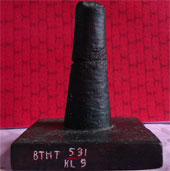
The research team of the museum has discovered, collecting a rare ancient bronze seal in the Le Dynasty.
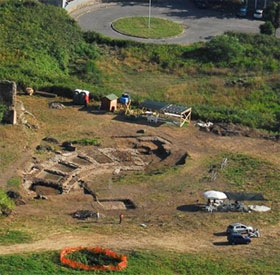
American investigators suddenly found a small Roman arena where Commodus emperor trained and fought beasts to win the title of
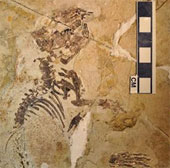
American and Chinese scientists have discovered fossils of the oldest mammal species distributed throughout Eurasia continent 160 million years ago.
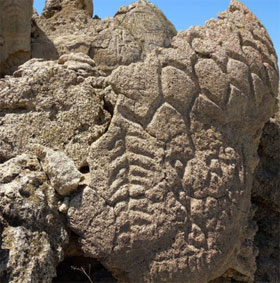
Scientists have discovered the oldest rock carvings in North America dating back at least 10,000 years and are trying to decode them.
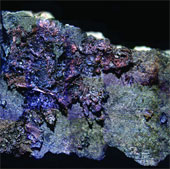
Civilization of prehistoric Nordic people loves spicy food. They use garlic, mustard as a spice in dishes thousands of years ago.
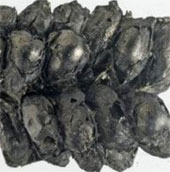
During the Stone Age around 6,000 years BC, farmers knew how to use cattle manure such as cows, sheep, goats and pigs as a slow-release fertilizer for plants.
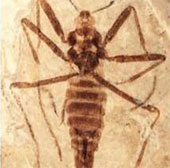
Chinese scientists have discovered the fossil of the flea Saurophthyrus exquisitus, believed to be a transition between ancient and modern fleas.
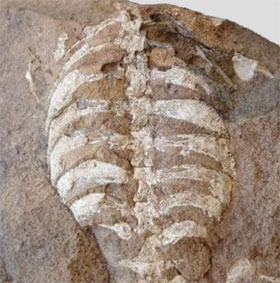
American paleontologists said they discovered a fossil, thereby providing clues about the initial evolution of the natural development of tortoise shells.

Australian scientists have recently analyzed some of the excavated skeletons in Germany and discovered that the European gene structure has mysteriously changed around 4…