Archeology
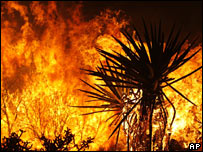
The history of fires was discovered thanks to coal.
British scientists have discovered the history of fires by studying ancient coal lumps around the world. Fossil samples show the range of influences of the crowd
Browse ScienceInfo articles and explainers related to Earth.
6,624 published items.
British scientists have discovered the history of fires by studying ancient coal lumps around the world. Fossil samples show the range of influences of the crowd
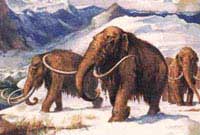
Some Russian and American scientists are planning to recreate the ecosystem, including mammoths that have disappeared from the earth more than 10,000 years ago. These pr…

Swedish studies on fossils of a fish that lived 370 million years ago have shown that hearing organs also grow as respiratory organs. Per Ahlberg of Uppsala University,…
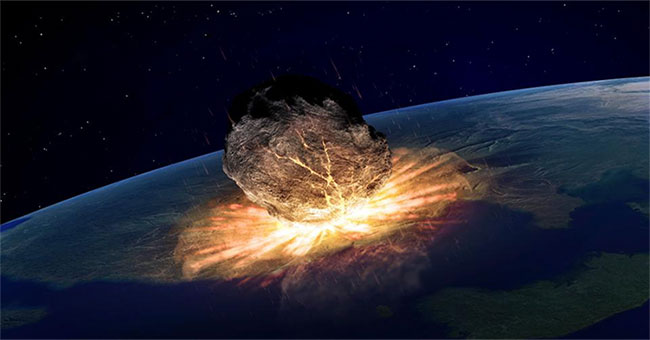
A large asteroid with 1,500 times the destructive power of US atomic bombs on Hiroshima and Nagasaki (Japan) combined, can hit the Earth directly.

Scientists around the world are very confused by a mysterious seismic wave that appears in many parts of the world.

An unprecedented coincidence at any planet in the Universe.
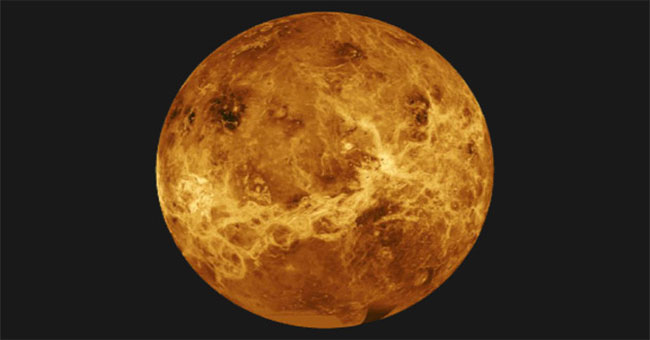
Venus is the brightest planet in the Solar System after the Moon and Sun. Compared to Earth, it is the first star to appear at night and disappear at dawn at last.

In the morning of December 8, China launched missiles to space on the spacecraft to perform the task of exploring the dark areas of the Moon.
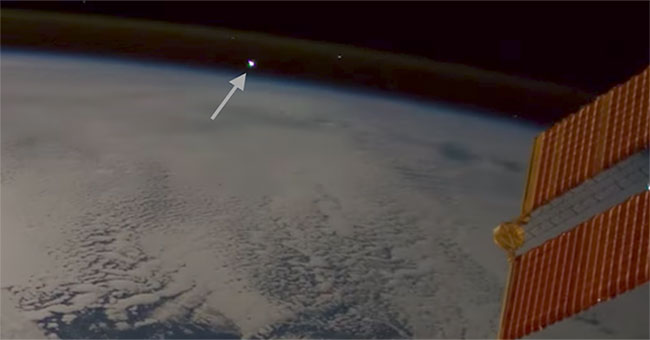
Astronaut Paolo Nespoli caught a unique sight from the International Space Station (ISS) while moving above the Atlantic on November 5, Outer Places reported.
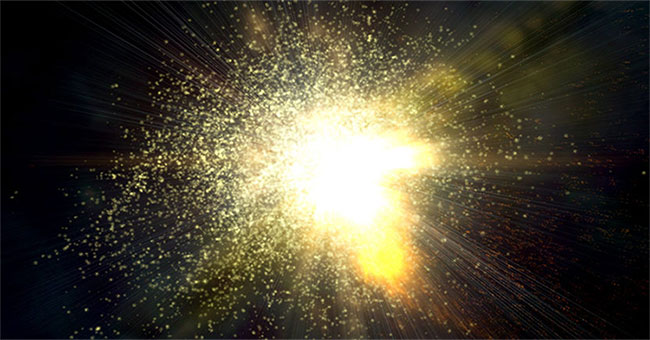
Your window glass or glass of water is derived from dead mountains, belonging to an ancient supernova.
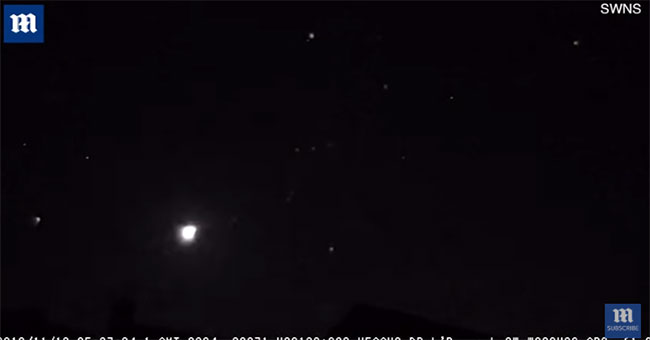
Amateur astronomer Derek Robson, 58, does not believe his eyes when he is fortunate to record the scene of a giant shooting star shining in the night sky near Bristol.
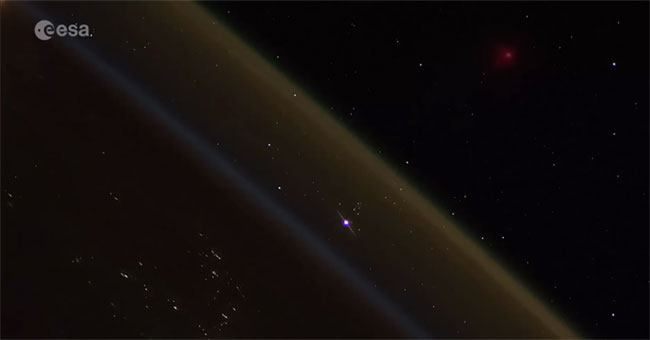
The sight of the Russian spacecraft carrying more than 2,500 kg of goods leaving the Earth recorded by astronauts on the International Space Station (ISS).
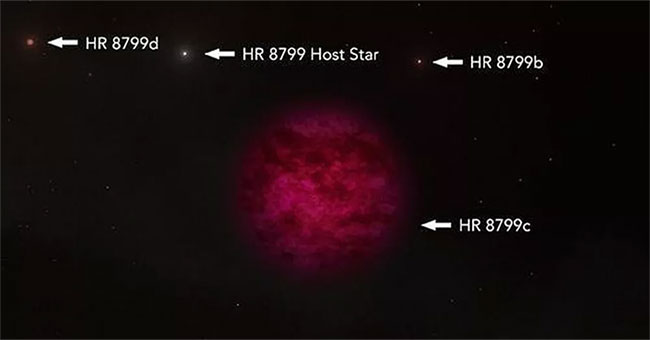
The spectral analysis shows signs of water on the atmosphere of the outer planet HR 8799c in the Galloping constellation.
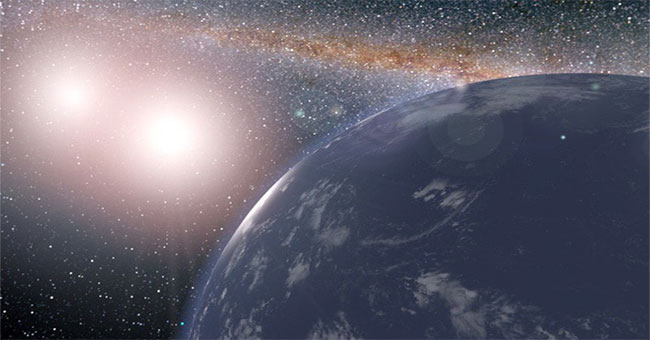
It is estimated that up to 85% of stars can be a binary pair (trio or even quartet) when stars are formed in star nurseries - are pillars including gas and dust .

Neptune is the eighth and most distant planet from the Sun in the Solar System. It is the fourth largest planet in diameter and the third largest in volume.