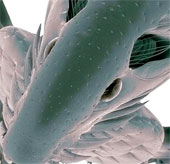
Biology
What happens if all the parasites on Earth disappear?
Not only are rich, popular, diverse and important, 50% of organisms on Earth are parasites.
Browse ScienceInfo articles and explainers related to Earth.
6,634 published items.
Not only are rich, popular, diverse and important, 50% of organisms on Earth are parasites.

US scientists published research on microbes that could be considered the smallest form of life on Earth.
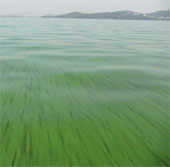
Cyanobacteria, after taking up to 2.5 billion years to adapt to the Earth's biosphere, could pose a global threat in the future.
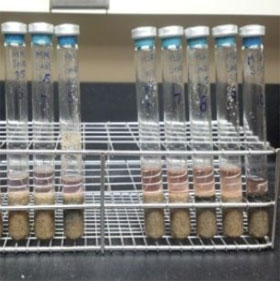
A new study finds methane - one of the simplest and oldest organisms on Earth - can live on Mars.
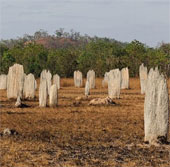
This is a termite collection in gray that looks from a distance like a giant graveyard.

US scientists have successfully created a high resolution map that tracks changes in the forest area on Earth in the 21st century.
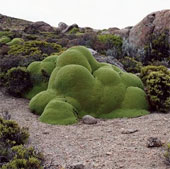
This tree is a relative of coriander, which looks almost mossy but is essentially a shrub growing in the Atacama desert.
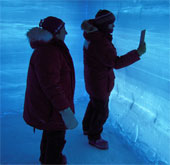
This aphid species was first discovered in 1960, which is evidence of the impact of climate change, when the temperature is warmer.
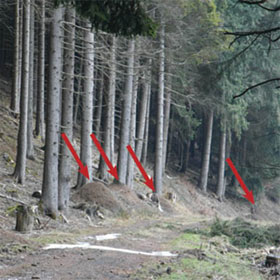
The scientist from Duisburg-Essen University (Germany) and his colleagues monitored continuous ant colonies in Germany with a video camera, using special software to lis…
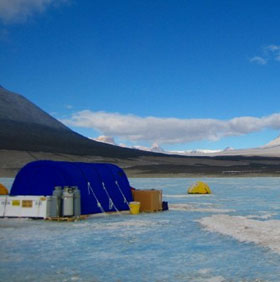
Scientists have recently discovered that ancient bacteria live beneath the icy surface of the Antarctic lake
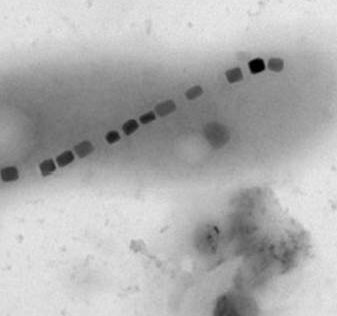
The Italian Institute of Earth and Volcanic Physics (INGV) earlier this week said it has identified a new bacterium that can be used to transport drugs to diseased cells.
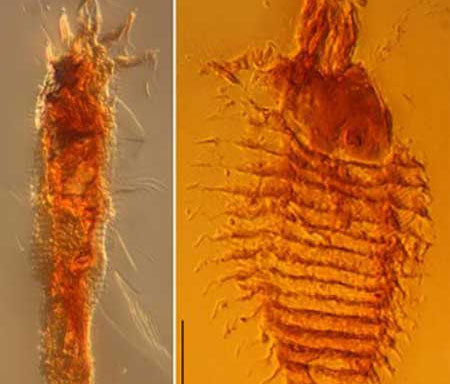
The chronology of three insect corpses is about 230 million years old, meaning that they were born in the Three Gorges and at the same time as dinosaurs. They consist of…

Dr. William Duax and colleagues at the University of Buffalo in New York (USA) have created a new evolutionary tree by comparing proteins from genes of organisms stored…
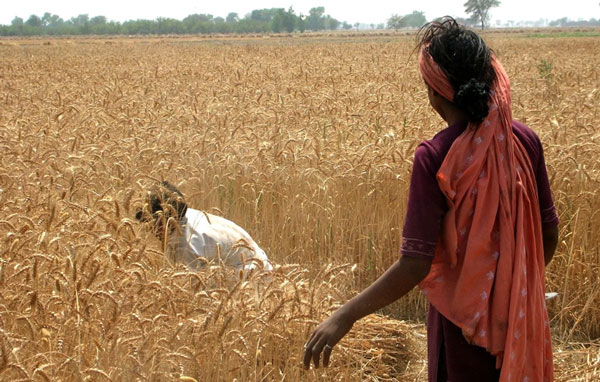
Global warming can make wheat premature aging and reduce harvests worldwide, a study is published in Nature Climate Change.
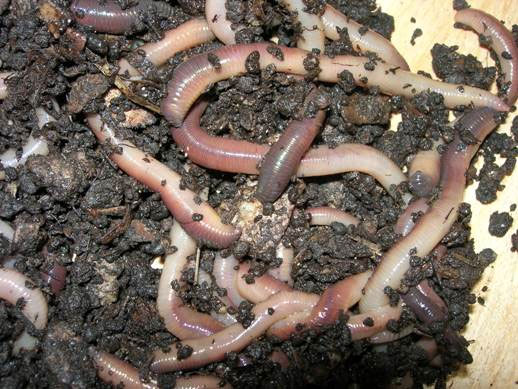
Earthworms can help keep water in the soil during the dry season, prevent flooding and reduce the impact of global warming.