Archeology
The surprise about the largest ocean on Earth
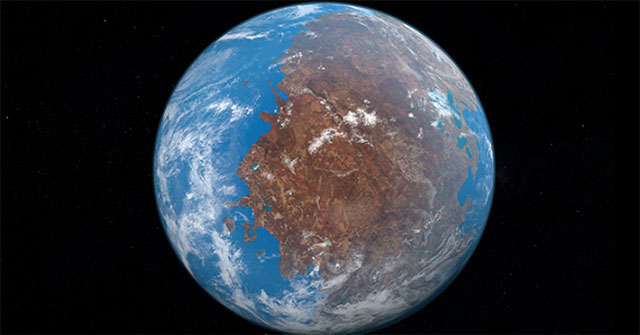
Earth once recorded a 'super ocean' with an area covering 70% of the Earth's surface, surrounding the ancient giant continent.
Browse ScienceInfo articles and explainers related to Earth.
6,634 published items.
Earth once recorded a 'super ocean' with an area covering 70% of the Earth's surface, surrounding the ancient giant continent.
Perhaps many people in their youth looked up at the sky and saw the shining stars, they thought: Will they fall one day? What if it fell and hit the Earth?

Many experiments on breeding plants and mutant microorganisms on the space station are carried out by China to create superior strains.

Russian cosmonaut Valentina Tereshkova made her name in history when she flew into space in 1963.
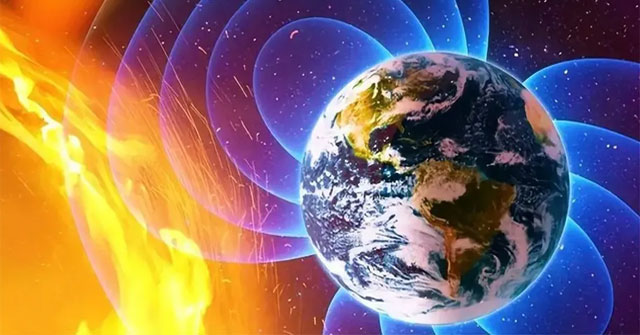
Earth's magnetic field is an indispensable protective layer for life on Earth, but in recent years European scientists have been monitoring and realizing its strength is…

The galaxy has always been an extremely mysterious and fascinating concept, in which extremely rare events, sometimes every few decades, appear.
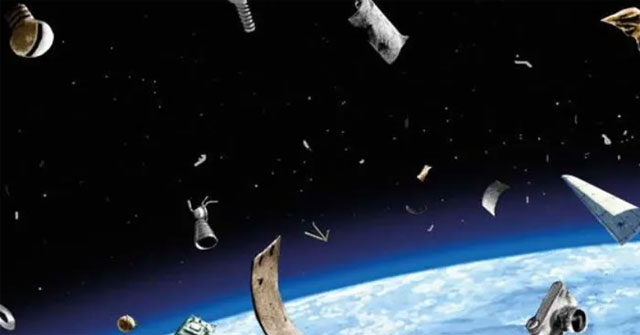
Although the possibility of bird droppings hitting your head is higher than the risk of space junk falling, it's not impossible, there have even been cases of injuries a…
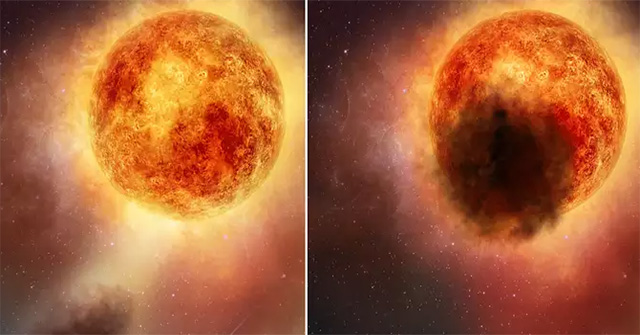
Two years ago, NASA scientists captured a faint image of the star and identified it as the beginning of a supernova event, when a star reaches the end of its life and ex…

Earth is the 3rd planet in the Solar System and also the only planet where life exists, but if the planets in the Solar System suddenly disappeared, what would happen?
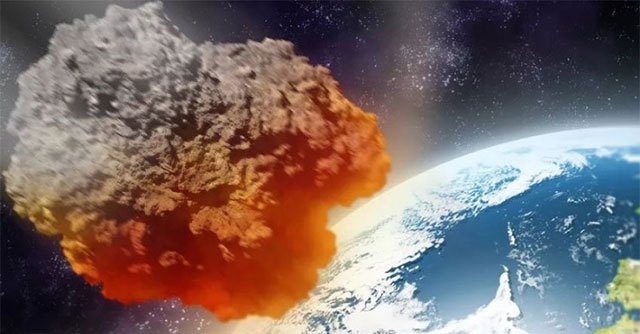
USA- Astronomers are planning to collect a meteorite from another star system that crashed into the Pacific Ocean with an energy equivalent to 110 tons of TNT.

The MIRA Doctor Robot is an advanced surgical system powered by mobile microrobots (RAS) intended to work at the International Space Station (ISS).

Scientist John Wilkins was the first to propose a manned mission to the Moon, and he once designed a winged vehicle to accomplish the goal.
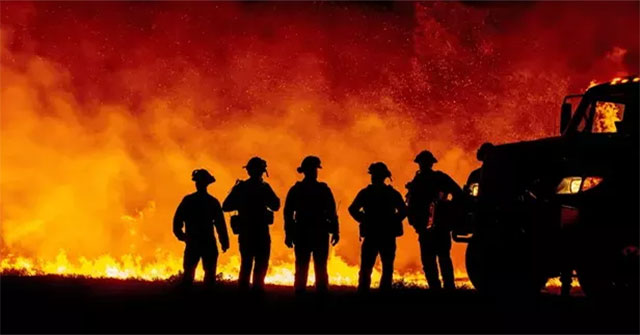
Scientists have recently warned that humans may face an unexplored risk of extinction
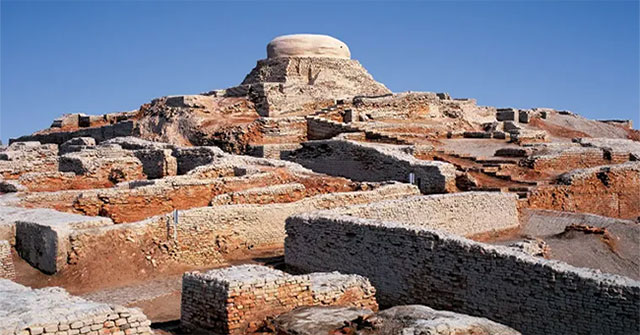
Since birth on earth, humans have evolved continuously, and eventually evolved to become the most superior beings on earth, understanding and discovering almost everythi…
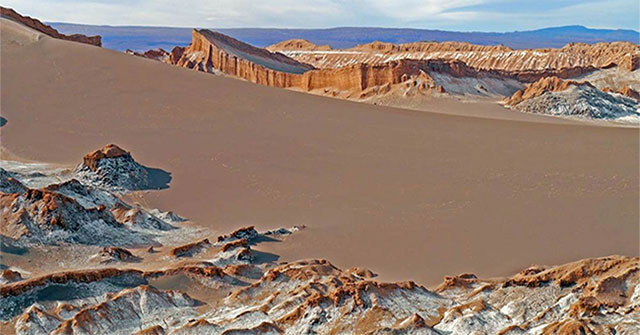
In this desert, bacteria cannot live because the air is too dry. Yet, more than 1 million people still live there. Where is it?