Oceanography
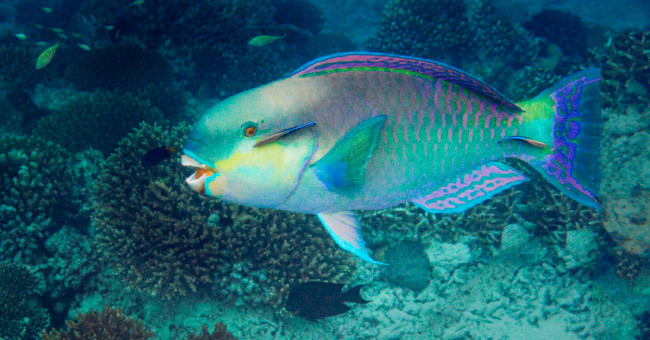
Fish eat corals emitting 400kg of sand every year
This fish crushes coral thanks to its distinctive teeth that look like parrots
Browse ScienceInfo articles and explainers related to Eat.
1,817 published items.
This fish crushes coral thanks to its distinctive teeth that look like parrots

An Italian scientist has proposed a project to encourage eating jellyfish, preventing this species from overgrowing, adversely affecting the environment and human activi…
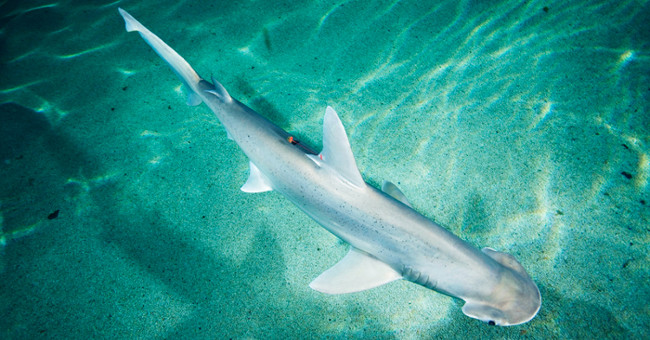
Seagrass behavior of some sharks sharks surprised the researchers because this species has a tradition of carnivorous eating.
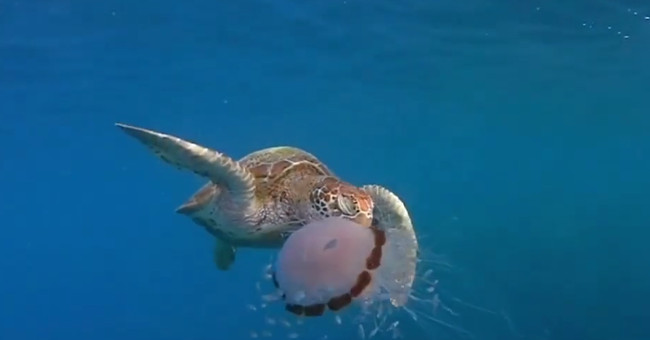
Ocean marine biologist Johnny Gaskell shot a young green sea turtle tearing jellyfish tentacles as food in shallow waters around Hook Island, Queenland state.
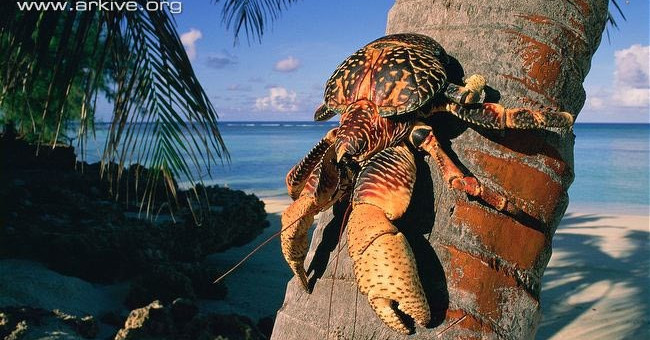
This giant crab is so strong that it can break a coconut, lift up to 28 kg, and add the ability to steal sorrowful demons.
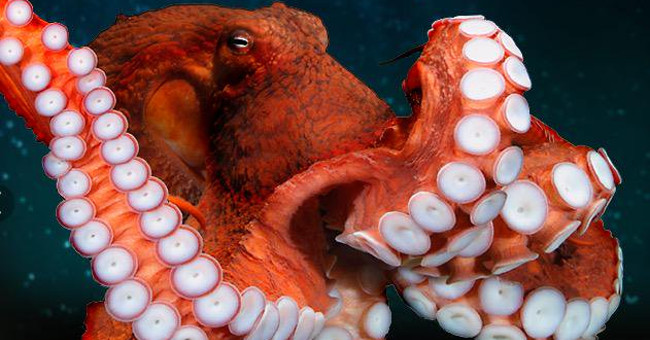
The male octopus is almost twice as big as the partner, so it is more likely that the female will be the food.
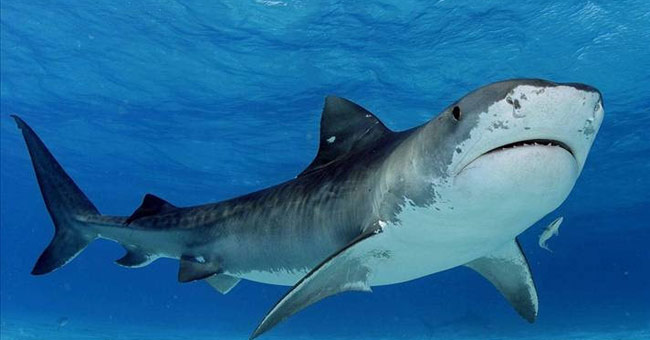
Sharks are one of the most dangerous marine creatures of the ocean. They are scary assassins for sea creatures as well as humans. Besides the danger they have very inter…
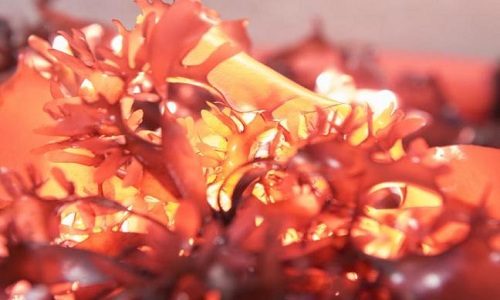
Good news for people who are lazy to eat vegetables, are scientists at Oregon State University (OSU) who have successfully cultivated a rich, bright red nutrient algae t…
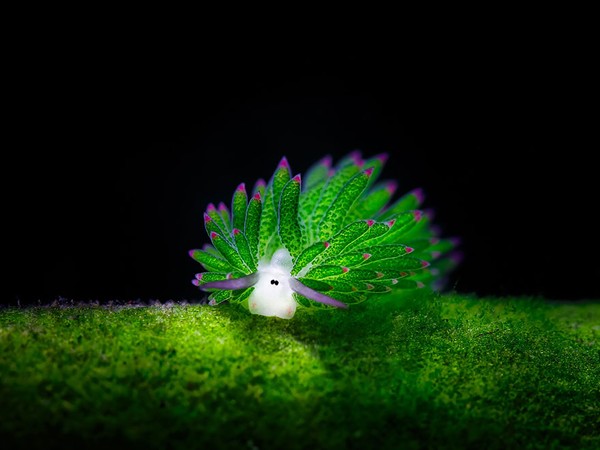
Not many people have
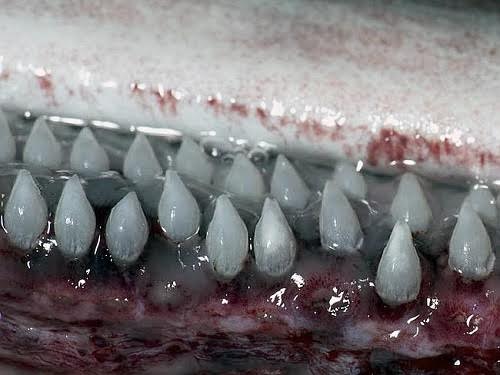
Sharks that eat plankton that are more than 6 meters long are caught in fishing nets in southeastern Australia.
Great Barrier Reef coral reefs, Queensland-Australia eat plastic debris in the ocean. This new finding has made scientists extremely concerned.
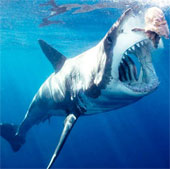
In a natural version of the Hollywood action movie, a great white shark was destroyed under the jaw of the larger fellow.
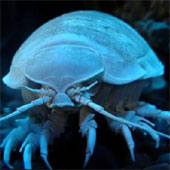
At our dining table, sooner or later there will be seafood stuffed with toxic plastic micro-molecules. The diet of marine life has changed.
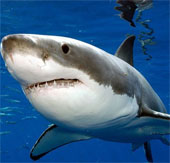
A new study has just been published by Australian scientists showing that giant white sharks, the world's largest carnivorous fish, consume three to four times as much f…

Biologists have discovered why the sea slug (scientific name aplysia) always leaves a smudge on the surface where they have crawled.