Discover science
The longest eclipse viewing flight in history
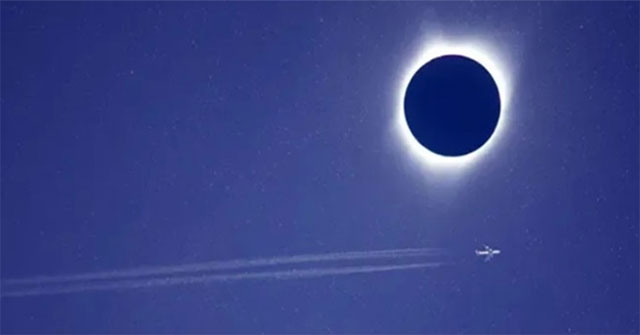
In 1973, scientists used the Concorde supersonic aircraft to extend the eclipse observation time to 74 minutes while flying nearly as fast as the Moon's shadow moving ac…
Browse ScienceInfo articles and explainers related to Eclipse.
288 published items.
In 1973, scientists used the Concorde supersonic aircraft to extend the eclipse observation time to 74 minutes while flying nearly as fast as the Moon's shadow moving ac…

The longest total solar eclipse ever recorded took place more than 2,700 years ago, lasting 7 minutes and 28 seconds, just a few seconds short of maximum.
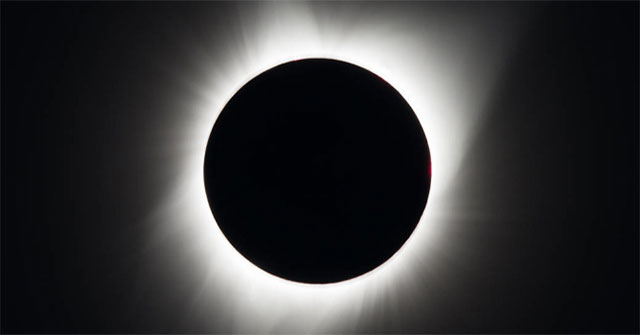
The total solar eclipse will appear from the Pacific coast of Mexico at 11:07 PDT on April 8 (1:07 April 9 Hanoi time), considered the longest on land in more than a dec…

When a total solar eclipse occurs, animals at many zoos have many strange actions that surprise researchers.

The longest solar eclipse in decades has just cast a shadow over much of North and Central America, creating many special moments.

Every location on Earth is in the shadow of at least one total solar eclipse, but some places experience more of these events than others.
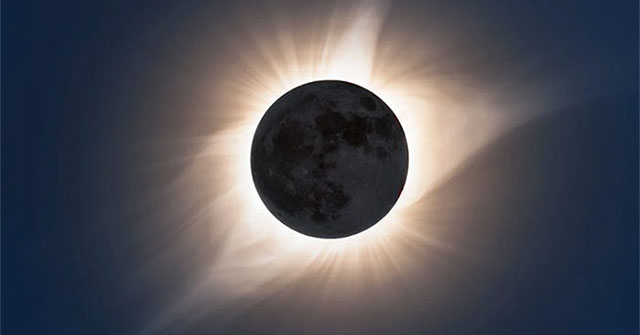
Niagara Falls is one of the best places to watch the solar eclipse on April 8. It is predicted that up to 1 million tourists will flock here on this day, causing the gov…
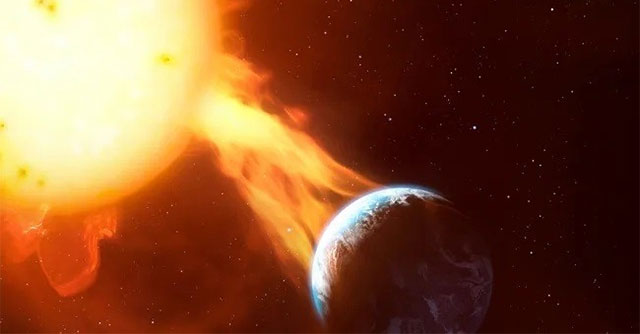
When the Moon completely covers the sun on April 8, viewers will get a rare glimpse of the Sun's corona and everything that explodes from there.

According to NASA, three rockets carrying many devices will fly into the sky on April 8, while the United States is covered by a total solar eclipse.

An analysis of car accidents during the 2017 solar eclipse in the US shows that the upcoming April solar eclipse may also be accompanied by an increase in fatal accident…
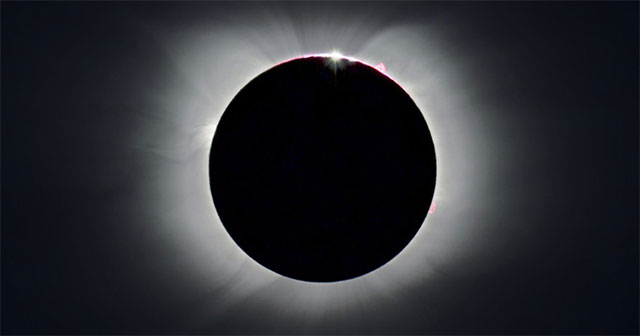
Total solar eclipses are so rare that a given location on Earth is only likely to be seen once every 375 years on average.
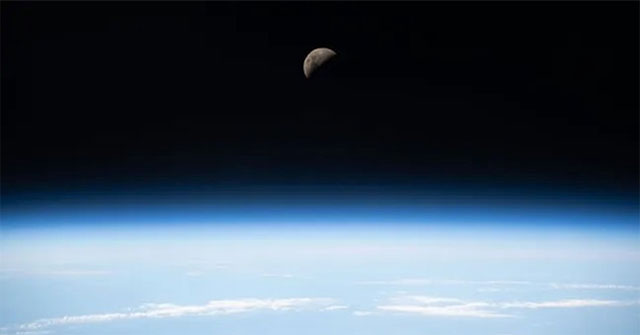
The moon was obscured by the Earth at dawn on March 25. It will then completely obscure the Sun on April 8.
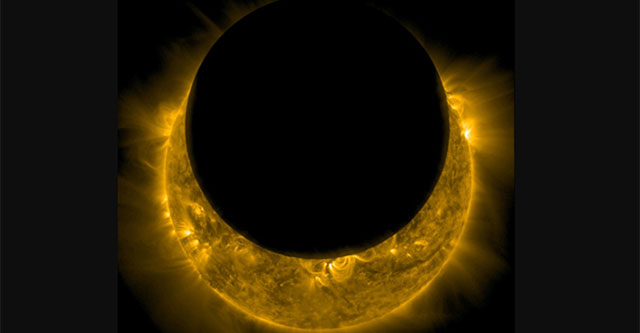
NASA's Solar Dynamics Observatory captured the moment the Moon passed in front of the Sun on June 29.
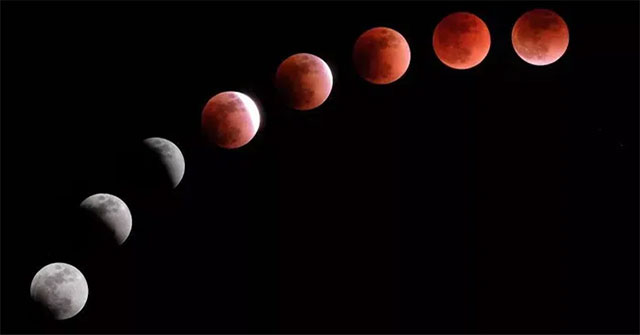
You can watch a lunar eclipse that causes the Flowering Moon to turn red on May 15 or May 16, depending on your location.
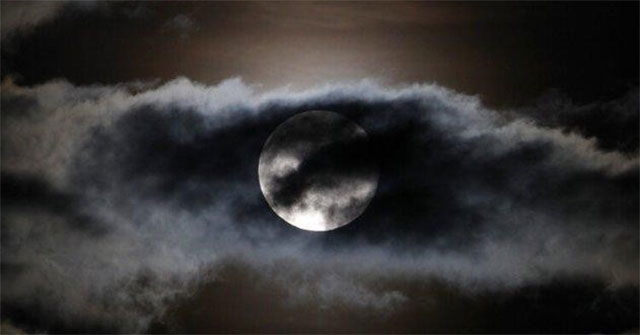
On some days in May, around the year 1110, the moon completely disappeared from Earth's sky.