Oceanography
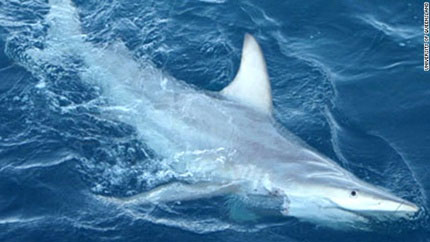
Genetically modified sharks rise in the Pacific
A large number of the world's first transgenic sharks have been discovered at the Australian coast. Explaining this phenomenon, scientists believe that this is the trans…
Browse ScienceInfo articles and explainers related to Environment.
2,126 published items.
A large number of the world's first transgenic sharks have been discovered at the Australian coast. Explaining this phenomenon, scientists believe that this is the trans…
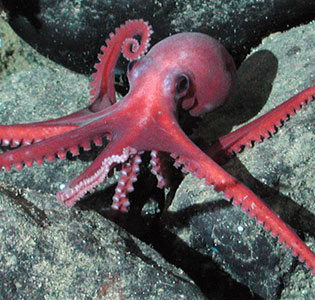
A new study by scientists shows that in order to adapt to the glacial waters of Antarctica, the squid used a special way to change RNAs.

Scientists at Scripps Institution of Oceanography, San Diego, USA have discovered a giant metamorphic worm in the deepest area of the Pacific Ocean.
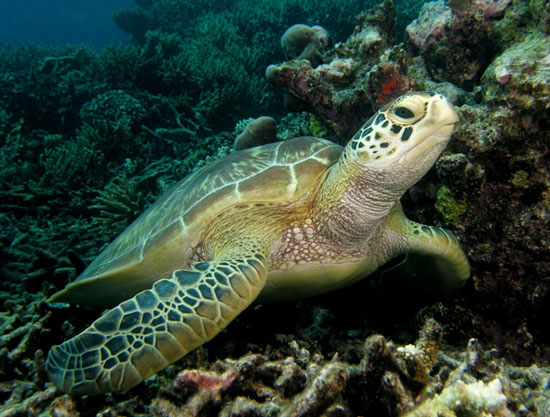
British scientists claim that some species of sea turtles have evolved to produce heat-resistant eggs to deal with hot sand on beaches that are inhabited by them.
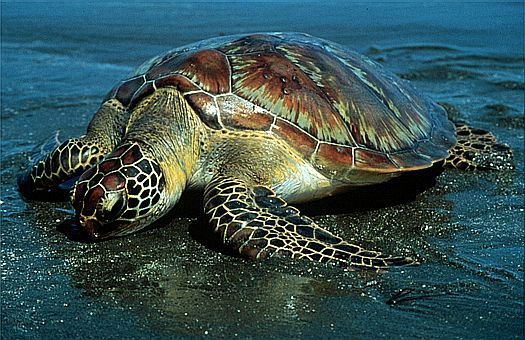
In a statement (September 29), the World Animal Conservation Organization said that sea turtles living in marine areas of countries such as India, Bangladesh, and Sri La…
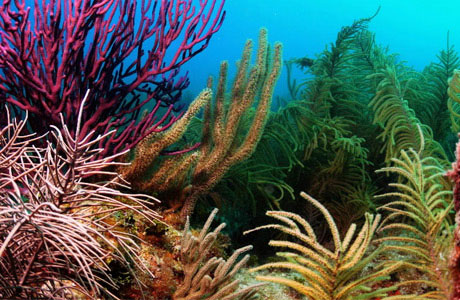
The ocean in the world is increasingly degraded and marine life is facing serious extinction unprecedented in human history, scientists study warning seas.
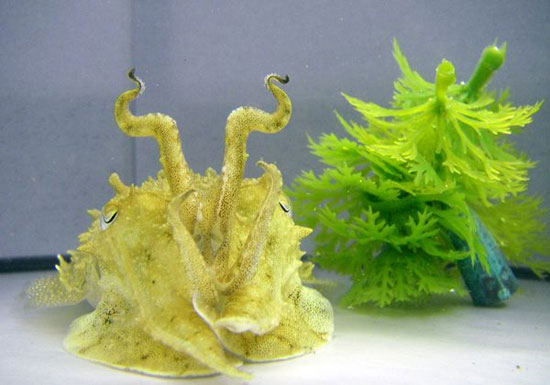
With only one purpose of survival, any creature will have natural instincts to oppose the enemy or search for its own food.

Sea level began to rise rapidly in the late 19th century and has tripled over the past two millennia, according to a detailed analysis of swamp deposits found in North C…
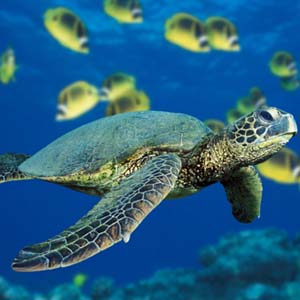
Dr. Peter Todd - former volunteer of VSA (New Zealand Volunteer Supply Organization) - had an article sent to the Environment page to call for the rescue of Vietnamese s…

The habitat of oysters around the world is threatened. This mollusk is disappearing very quickly ...
A brave biologist infiltrated the harsh environment of the White Sea to capture images
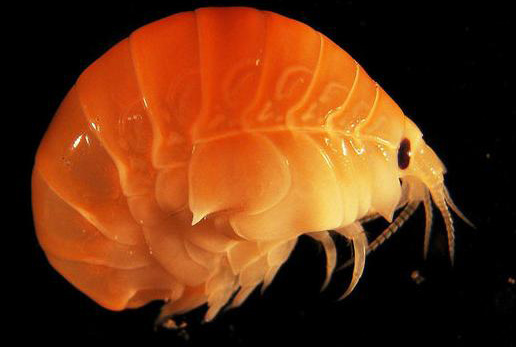
After a decade of studying the world's oceans, scientists published the final results of the project for the first time -
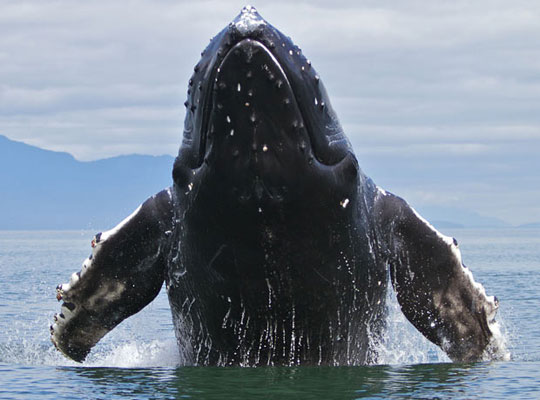
With 10,000 km of travel, this is the longest journey ever made by a mammal.
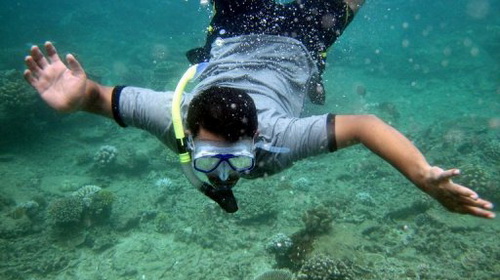
Scientists say many reefs in Southeast Asia and Indian Ocean have died massively in recent months, ...
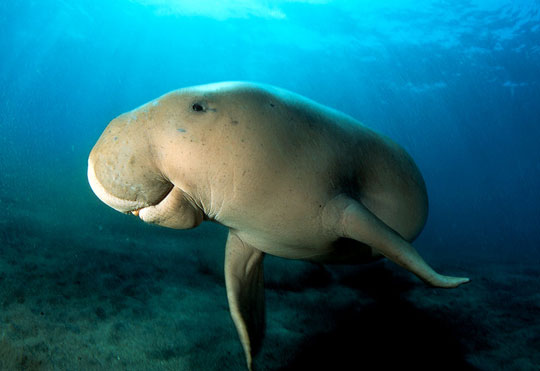
Dugong (dugong) is a herbivorous mammal that can float on the face of moon nights and emit melodious tones.