Biology
Extreme evolution to avoid extinction
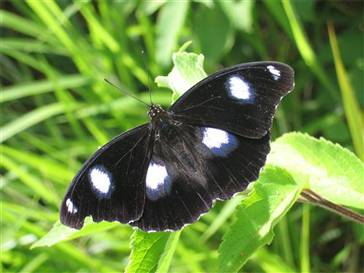
This story about butterflies in Samoa is an example of the fastest natural selection observed so far, and shows that evolution can accelerate when a major threat arises.
Browse ScienceInfo articles and explainers related to Evolution.
634 published items.
This story about butterflies in Samoa is an example of the fastest natural selection observed so far, and shows that evolution can accelerate when a major threat arises.
It seems that evolution into multicellular organisms is due to the interaction between different selective trends when changing the level of organism?
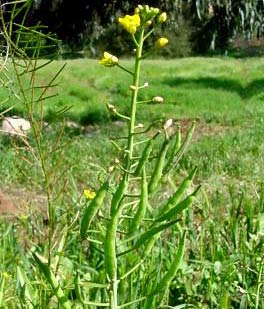
Confronted Charles Darwin's view that evolution took place slowly, scientists at the University of California in Irvine (UCI) discovered that short-lived crops can evolv…
Scientists say a variety of different proteins discovered for the first time in sperm can reveal the origins of sex and explain some of the mysteries of infertility.
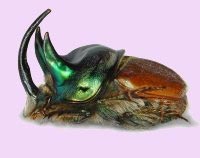
The beetles with the largest horns also have the smallest testicles. This suggests that in terms of evolution, this will lose something else. The result is clear evidenc…
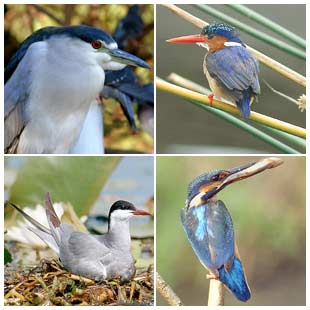
Countless animals, animals and microorganisms are occupying every corner from the mainland to the deep sea on our planet. They create this world, turn light into fuel, t…
Spontaneous intellectuals - the concept of God, not evolution, have created complex life forms - long ago criticized the scientific world for not being able to interpret…
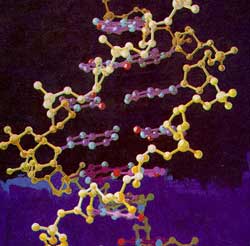
Duke University (USA) scientists say they have detected a regulatory gene in the human brain, which shows evidence of human evolution from low-level mammals to humans. g…

There has been strong evidence of human evolution from low-level mammals to modern humans. The human brain contains evidence of its own evolution. This research has been…

There are many special reproductive solutions that have been conceived in the plant world, through evolution!
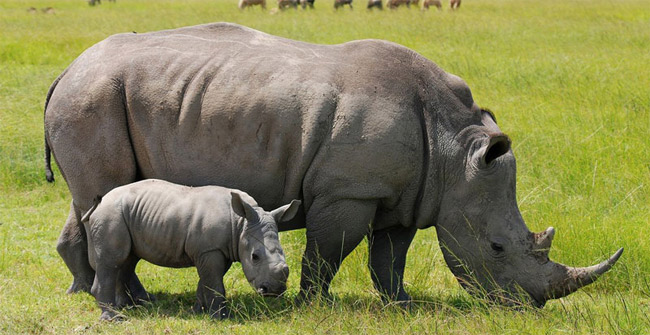
After five mass extinctions of the Earth, evolution has helped many animal populations to regenerate and diversify, filling the gaps created when species become extinct.
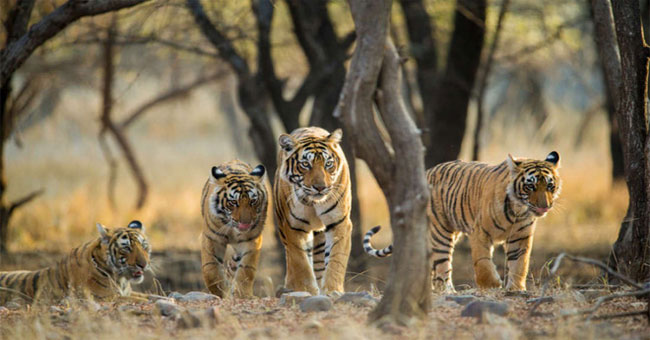
For years, the community interested in wildlife research has argued a lot about the story of tiger conservation.
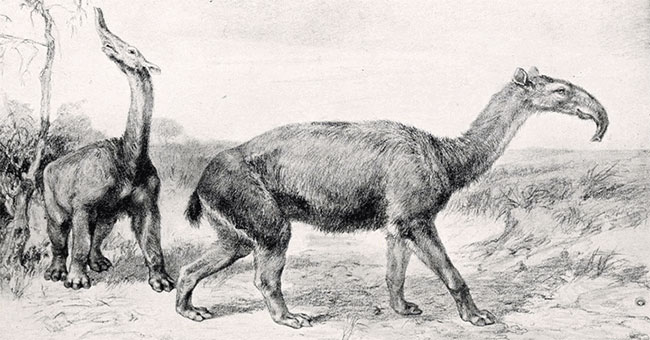
A study shows that the rate of extinction of animals is happening faster than the rate of evolution of nature.

Vietnamese proverb has a sentence:
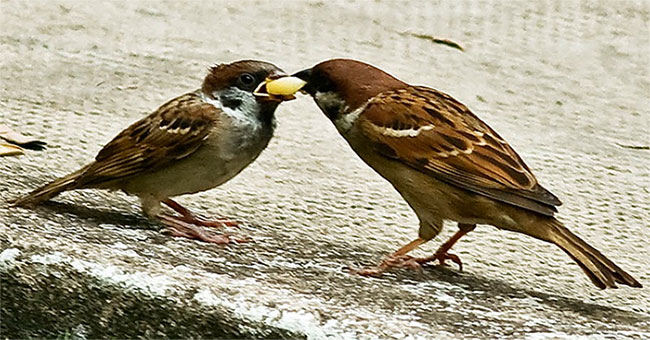
The finches have a scientific name, Passer domesticus, which is a small member of the Seine family. It is easy to see small, gray and brown birds in every continent exce…