Space science
Gravitational waves: The 'landscape' changer of cosmic evolution
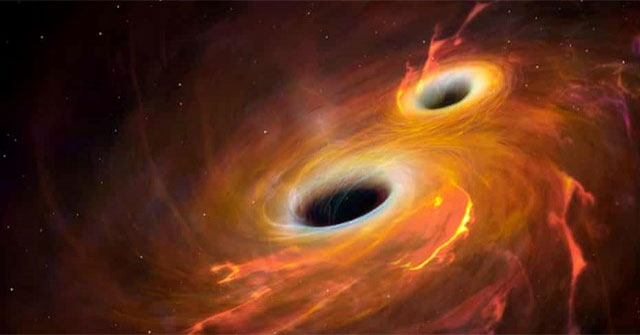
In the process of discovering to shed light on cosmic evolution, life and death on planets, astronomers have discovered a record number of gravitational waves.
Browse ScienceInfo articles and explainers related to Evolution.
634 published items.
In the process of discovering to shed light on cosmic evolution, life and death on planets, astronomers have discovered a record number of gravitational waves.

The evolution of the virus that caused the 1918 flu pandemic has similarities to the Covid-19 pandemic, such as successive outbreaks with many different strains, and the…

Scientists found exoplanets the size of Neptune orbiting the star AU Mic, 32 light-years from Earth.

Chinese scientists have recently discovered that oyster mushroom, a common edible mushroom, may have originated in the Himalayas mountain range some 39 million years ago.
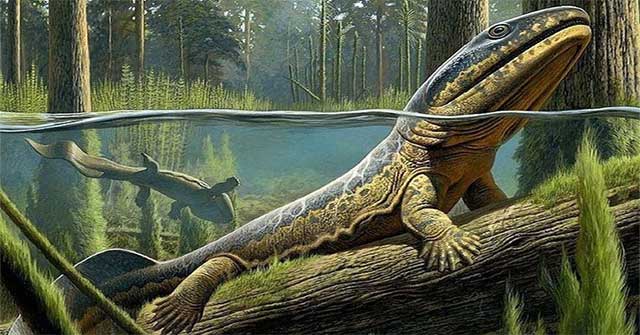
Why do we have fingers, what does the number of these fingers mean in terms of evolution?

About 70 million years ago, dinosaurs roamed the Earth, a genetic anomaly that allowed some plants to turn into carnivores.
Humans and animals are evolving incessantly - abandoning features that are less favorable to the features that maximize survival.
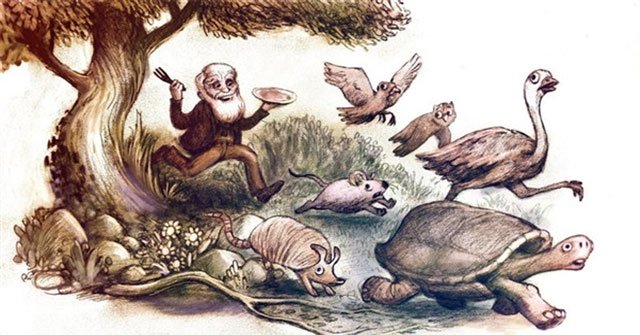
Charles Robert Darwin (1809 - 1882), English scientist, is one of the most influential figures in human history.
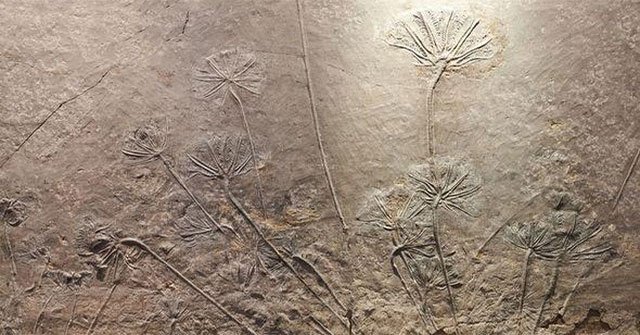
Researchers have discovered a 400 million-year-old plant fossil that could reveal an important step in the way plants evolved in the past.
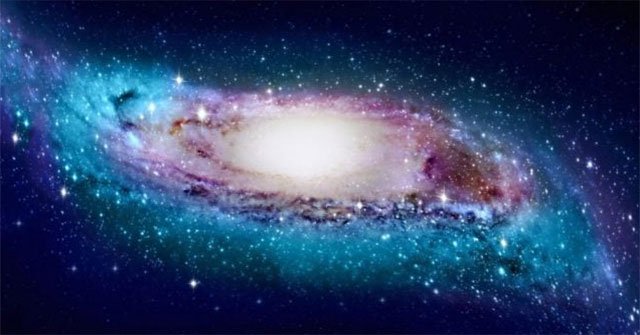
The evolution of elliptical galaxies is completely different from the Milky Way. They go through the infancy so much radiation that no planet of life can survive ...

Many strange ideas of Hollywood movies are gradually becoming a reality, including robotics.
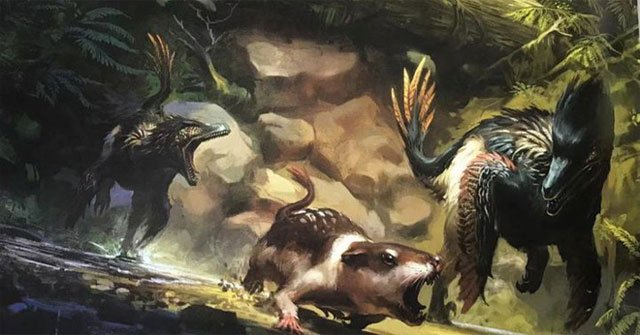
Prehistoric times are the era of giant animals, but the reason why in the age of dinosaurs did not have huge mammals is not everyone knows.
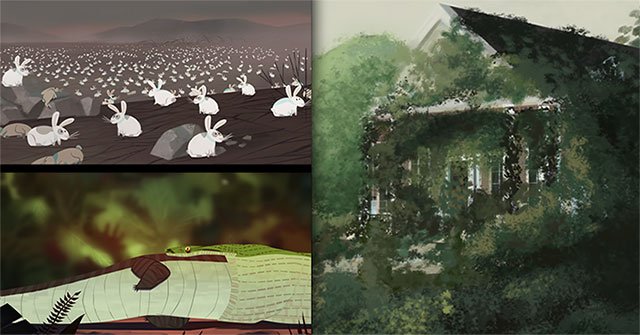
Most ecosystems in the world are the result of millennia of evolution of species, adapting to the environment until equilibrium is reached.
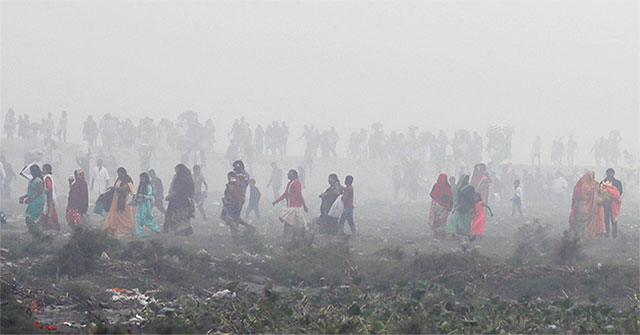
Air pollution is not just a matter of age. Now it can shape the evolution of human society.
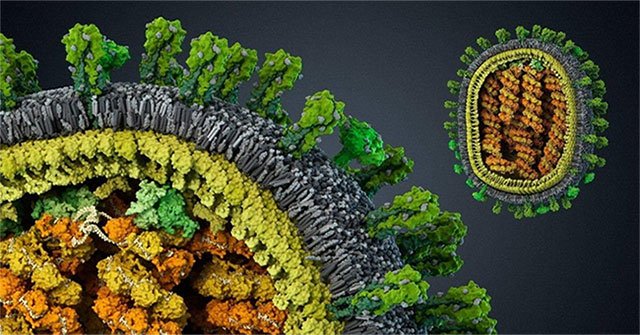
The history of mankind is the history of the battle against viruses, an arms race of evolution in which there is no room for peaceful compromise.