Animal world
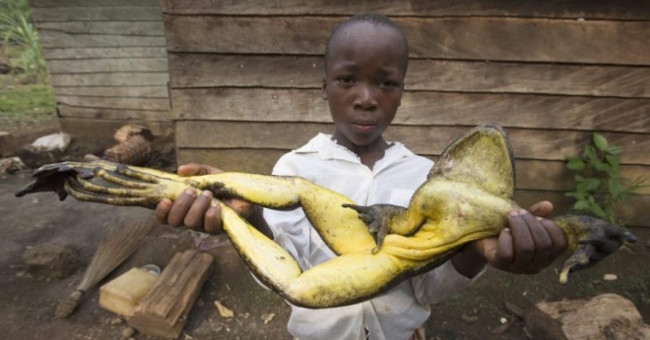
Big frogs with newborn babies face extinction
The giant Goliath frog, about the size of an infant, is in danger of extinction due to hunting and fungal infections.
Browse ScienceInfo articles and explainers related to Extinct.
630 published items.
The giant Goliath frog, about the size of an infant, is in danger of extinction due to hunting and fungal infections.

Excessive human hunting as well as destroyed habitat are pushing more and more animals to the brink of extinction.
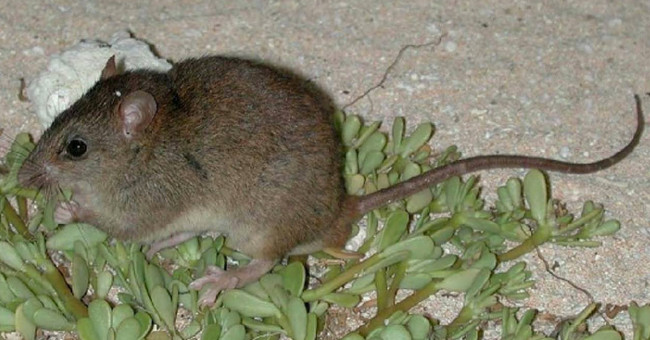
Climate change is sweeping many species, pushing them to shore.
Do you know the number of tigers belonging to US citizens more than the wild tigers around the world? There are many interesting facts about tigers waiting for you to ex…
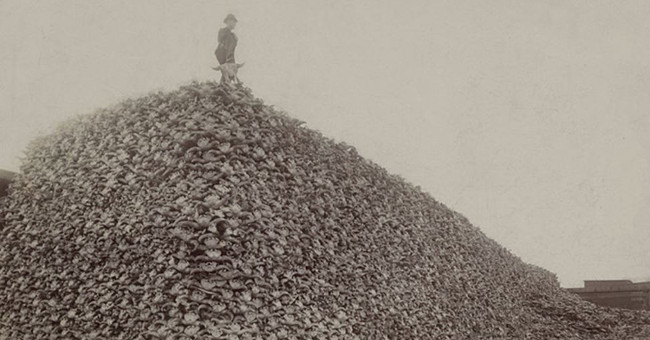
The massacre of the natives and migrants has caused the number of bison to drop from 60 million to less than 1,000.
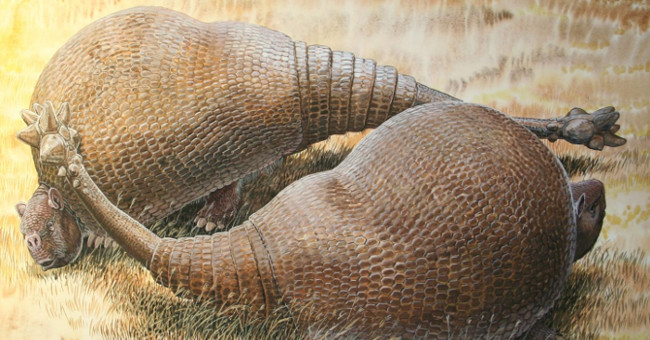
The giant tatu weighs half a ton and is as big as a car Volkswagen Beetle used to live on Earth in the last Ice Age.
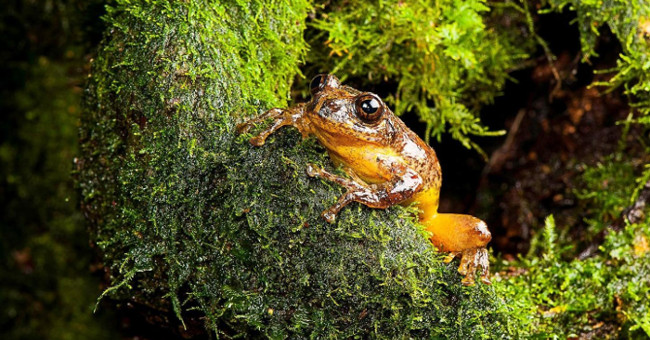
An extinct tree frog more than a century ago was discovered by scientists in tropical northeastern India.
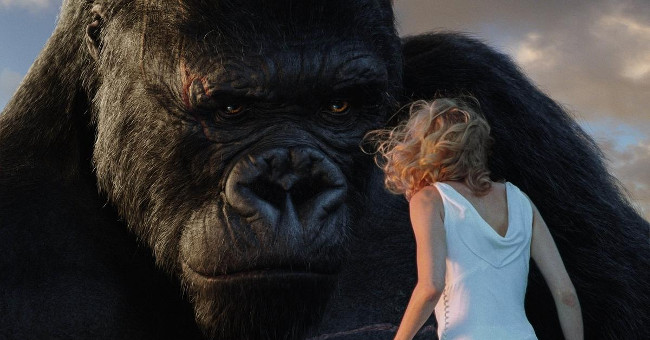
Experts in Germany have discovered the cause of Gigantopithecus - King Kong's real life monster extinct.
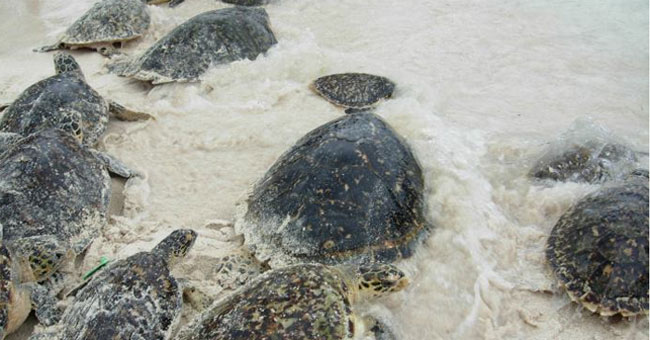
Nearly 16,000 Paslama tortoises (Lepidochelys olivácea) and Torita (Chelonia agassizii), endangered, went to the southern coast of Nicaragua, in the Pacific, to lay eggs.
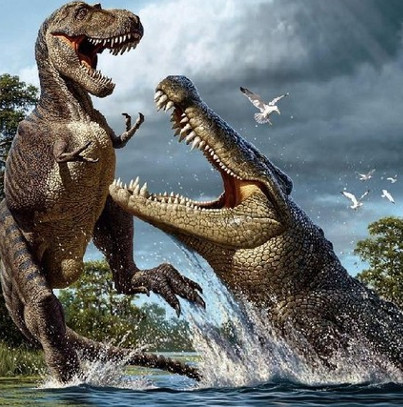
Perhaps we humans will be hard to survive if these prehistoric and thirsty giants revived.
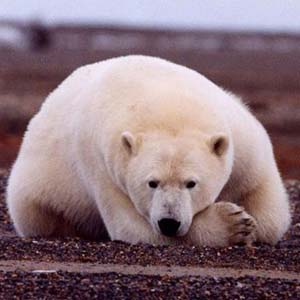
If you think the giant animals are extinct from the dinosaurs, think again! Because you're about to be introduced to snakes weighing nearly half a ton or birds up to 2.5…

Giant giant relatives of newts, frogs the size of paper pins, amphibians that do not have tentacles and transparent invisible salamanders are among the most bizarre crea…
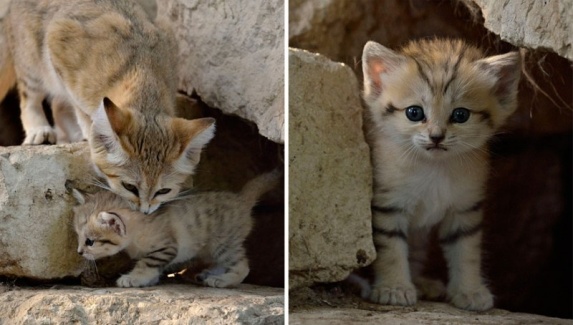
Sand cats are a desert species, they carry an extremely cute shape like kittens throughout their lives.
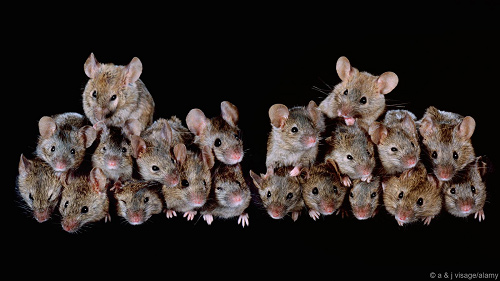
The male pair of mice left on an island takes only 5 months to proliferate and invade the whole island.
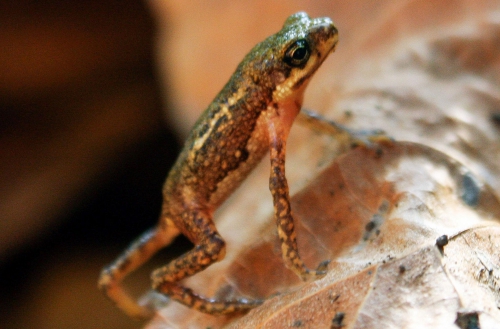
Scientists who discovered the small species of Palawan have disappeared during the last 40 years in the Philippines, during last year's jungle research trip.