Animal world
Add a subspecies of extinct rhino
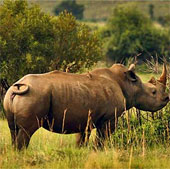
IUCN claims the West African black rhino has disappeared forever because no one and no devices have detected them since 2006, Science Daily reported.
Browse ScienceInfo articles and explainers related to Extinct.
630 published items.
IUCN claims the West African black rhino has disappeared forever because no one and no devices have detected them since 2006, Science Daily reported.
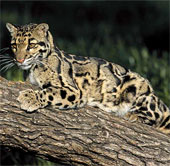
Cloud Formosan newspaper, an endemic animal on the island of Taiwan, may have disappeared forever. Chiang Po-jen, a Taiwanese biologist, said that the likelihood of peop…
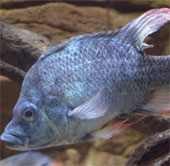
Mangarahara cichlid is the name of an extinct tropical fish in the natural environment. People often call them
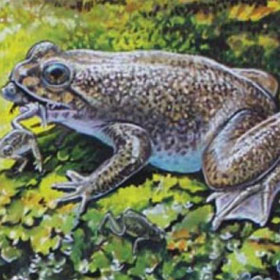
Australian scientists step by step revitalize the oral, extinct toads from the 80s.

Gekkonidae, the oldest family lizard in the group of modern lizards with a unique body structure has just been discovered in the Eastern Ghats, India.

Chinese researchers have just dismissed a research paper published in the British Daily Telegraph (November 4, 2012) saying that climate change will reduce the number of…
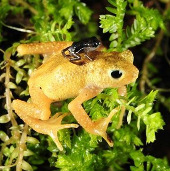
About 2000 Kihansi waterfall frogs were reintroduced to Kihansi Gorge in Tanzania after the animal was declared extinct in the wild.
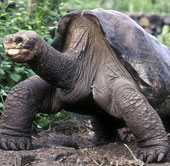
The giant Galapagos turtle thought to be extinct with the death of its last representative, George, but recent DNA studies have opened up new hope for this species.
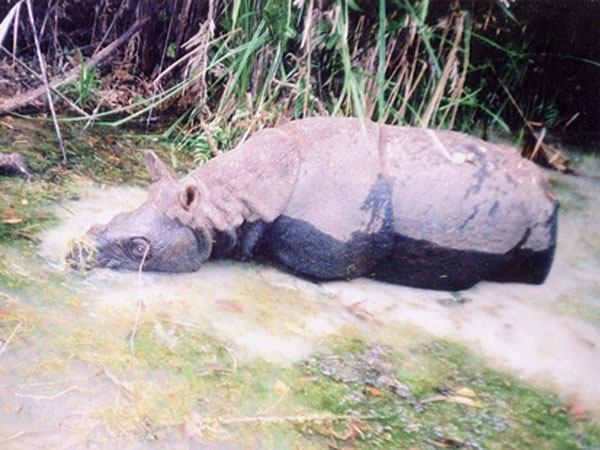
The Javan rhinoceros was once the most popular species in Asian rhino species, extending from Southeast Asia, to India and China. But the statistics so far show that onl…
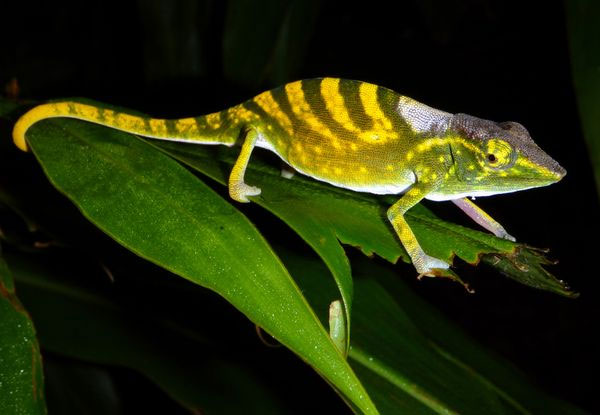
International conservation groups have just announced a list of 100 endangered organisms by 2020, if not promptly prevented.
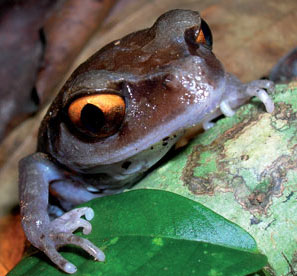
Frogs and other amphibians are being wiped out with a dizzying speed in Asia. Therefore, some species may become extinct before being discovered - Scientists warned at t…

A set of rare photos of some extinct bird species such as passenger pigeon, ivory ants, Guam flycatcher ...
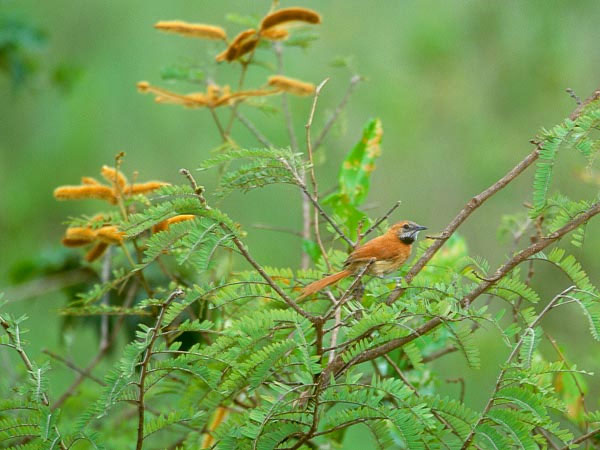
The International Union for Conservation of Nature (IUCN) recently announced six species of animals that are in extreme danger, at the United Nations Conference on Susta…
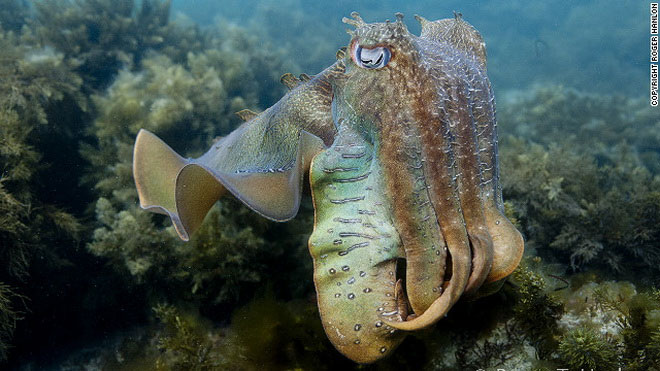
Southeast Asia is currently the extinct 'hot spot' as more species are facing the risk of permanent disappearance, according to the Red List of Threatened Species recent…
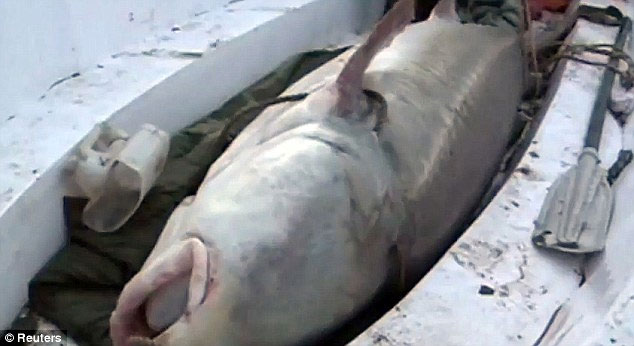
Fishermen in northeastern China have caught a sturgeon weighing more than half a ton. This is the largest freshwater fish in the world and nearly extinct.