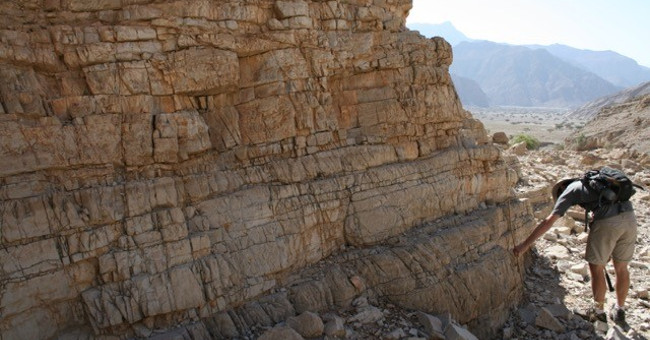
ArcheologyIn the past 252 million years, the Permian-Triassic extinction event has swept up 96% of marine life and more than 70% of terrestrial vertebrates, making about 83% of th…
December 17, 2018
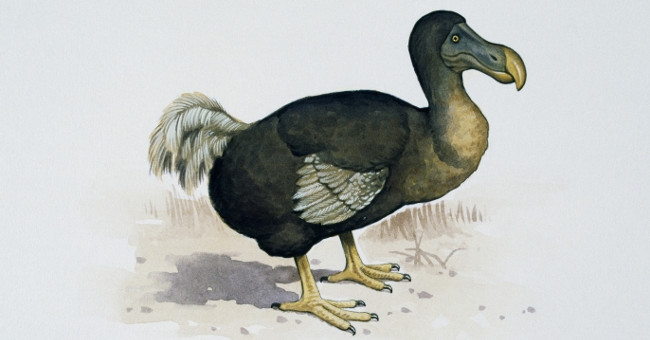
ArcheologyDodo - a bird that has been extinguished by humans to extinction - has always been assigned a nickname
December 17, 2018

ArcheologyThe extinction of Carcharocles megalodon sharks also contains many secrets that scientists cannot find.
December 17, 2018
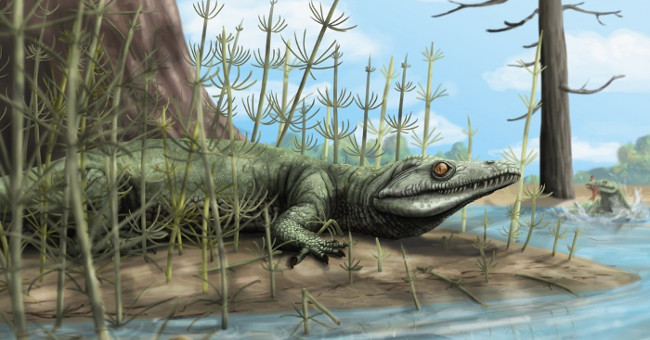
ArcheologyScientists discovered a 250 million-year fossil of a crocodile-like ancient carnivorous lizard, surviving a massive extinction event that wiped out 90% of Earth's creatu…
December 17, 2018
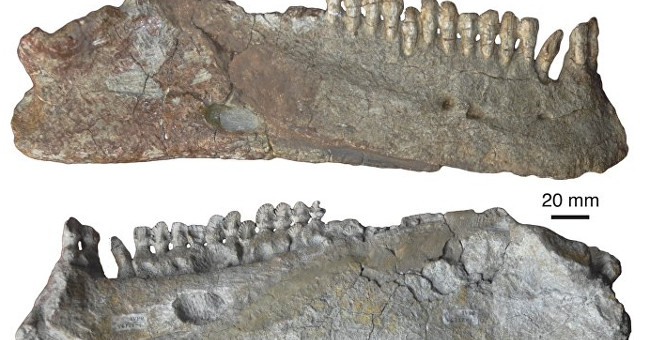
ArcheologyThe herbivore possesses a massive body and bizarre shape named by the scientific world
December 17, 2018
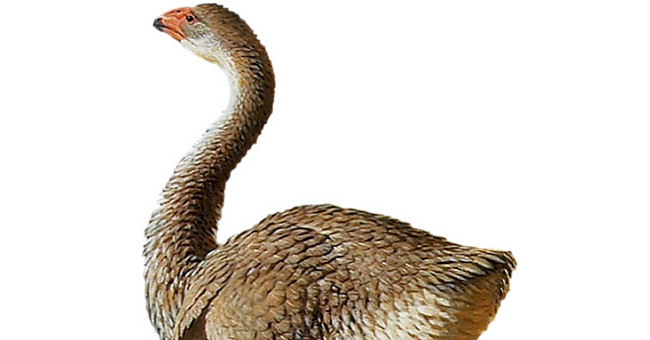
ArcheologyAbout 50,000 years ago, a large bird in Australia was extinct, because humans considered their eggs a very good and nutritious food source.
December 17, 2018
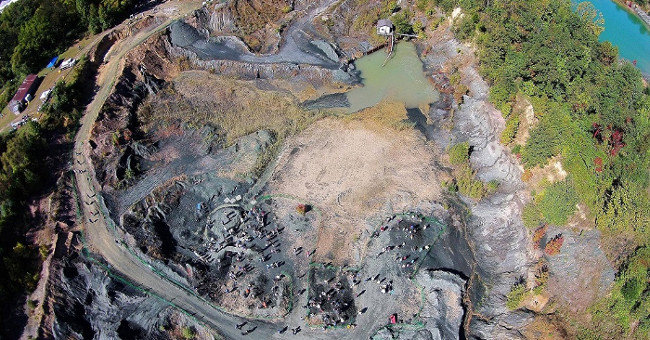
ArcheologyNewly discovered quarries contain fossils of many giant animals and reptiles that have been destroyed millions of years ago.
December 17, 2018
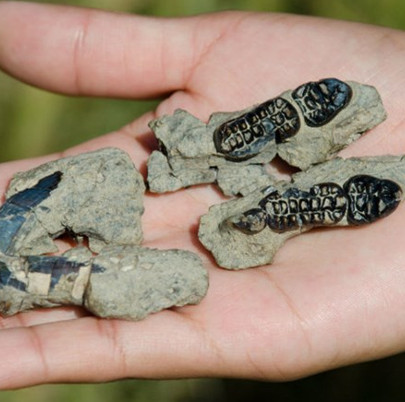
ArcheologyA new specimen of fossils discovered in New Mexico has helped scientists gain more knowledge about mammals that appeared after the extinction of dinosaurs 65 million yea…
December 17, 2018
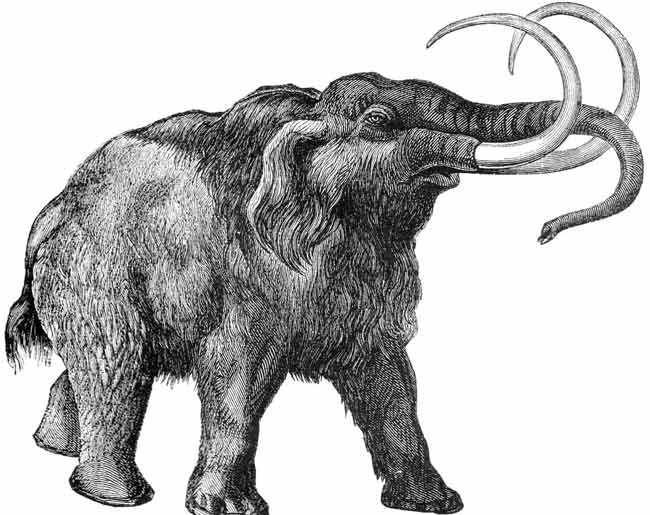
ArcheologyA Dutch researcher has examined the jaw of prehistoric mastodon. This 2.5 million-year-old fossil can provide an understanding of the primordial causes of primitive elep…
December 17, 2018
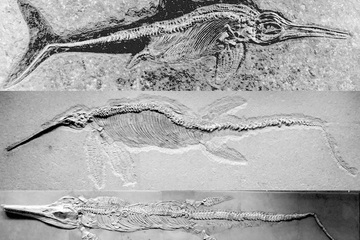
ArcheologyFish lizards are a giant dolphin reptile that lives in the sea 248 million years ago and went extinct 25 million years ago.
December 17, 2018
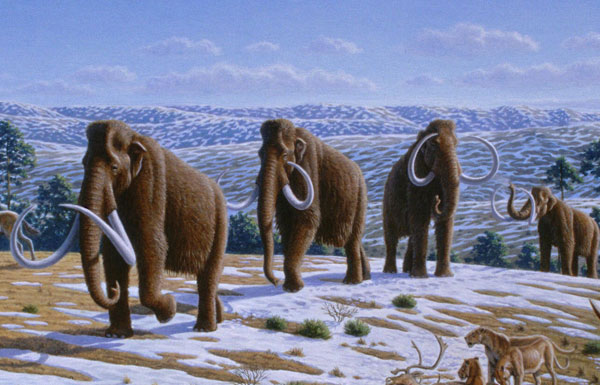
ArcheologyRecently, the results of DNA analysis of extinct animals that have been carried out on a large scale have shown that mammoths and other giant creatures that once lived i…
December 17, 2018
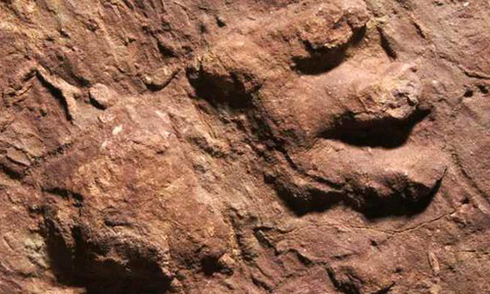
ArcheologyScientists found animal footprints in the Archosauriforms reptile group, suggesting they prospered before and during the Great Extinction.
December 17, 2018
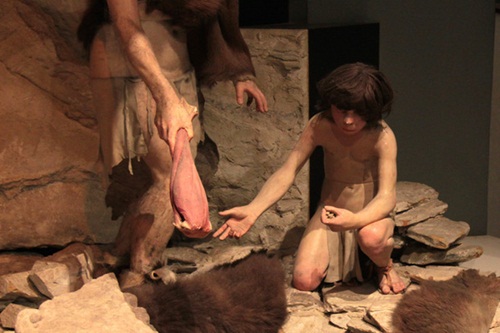
ArcheologyNeanderthals may have died out because they did not know how to harness the power of fire at the same level as human relatives.
December 17, 2018

ArcheologyKnown as the Altamura Man, fossil skeletons clinging to calcium patches have long become a conundrum to head archaeologists for a long time.
December 17, 2018
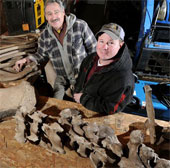
ArcheologyTwo men in Michigan, USA, dug dozens of fossil bone fragments of ancient mastodon, dating from 10,000 to 14,000 years.
December 17, 2018