Space science
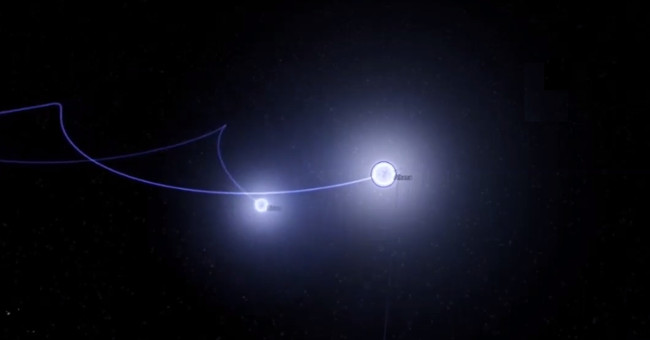
Supernova explosions shoot super-fast stars across the galaxy
Supernova explosions are the culprits that cause super-high-flying stars to fly through galaxies.
Browse ScienceInfo articles and explainers related to Fast.
707 published items.
Supernova explosions are the culprits that cause super-high-flying stars to fly through galaxies.

The cycle around the Earth is so fast that the astronaut's biological clock can't keep up, leading to insomnia.
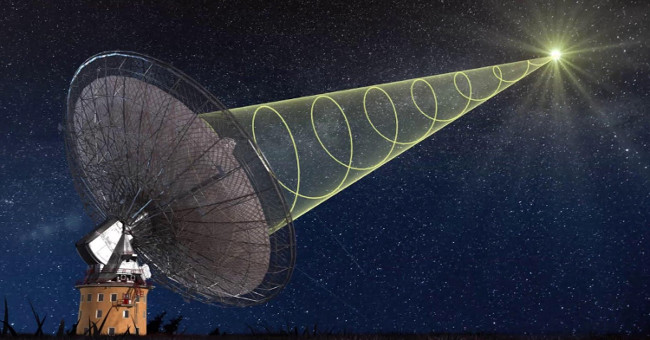
Extremely fast and extremely rare cosmic radio wave outbreaks are still one of the biggest mysteries of astrophysics.

Gravity (gravity) helps us to live on Earth, but it also makes it difficult to leave Earth.
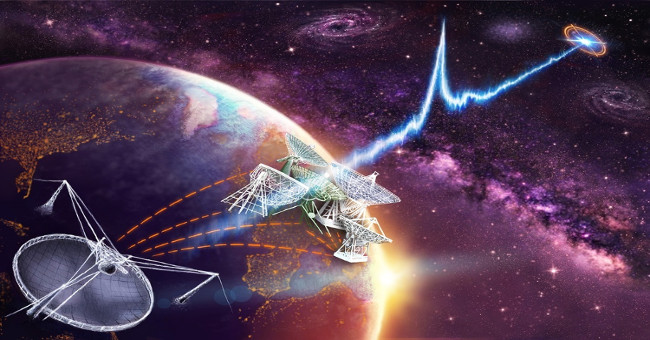
Radio waves, the most mysterious signal in the universe, can be emitted from devices the size of a planet used to propel spacecraft.

Scientists have recently traced the source of the mysterious signal over the past decade, in a galaxy 3 billion light-years from Earth.
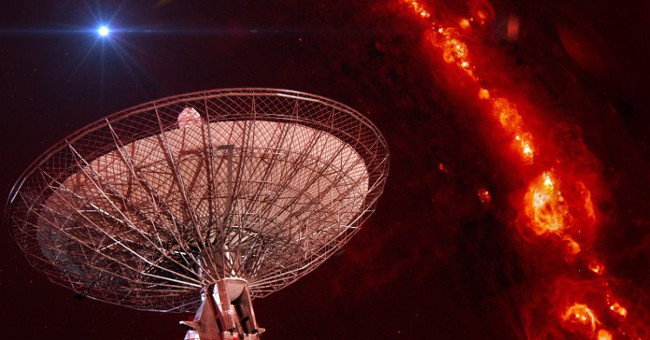
The alien research scientists of McGill University (Canada) have received 6 more fast radio frequency pulse signals FRB (fast radio bursts) from the same point far from…

It is unclear what phenomenon outside the Milky Way emits this powerful beam.

Chinese scientists successfully maintained plasma from a nuclear reactor within a minute. This is an important step for the plan to exploit energy from

China's largest radio telescope in the world will participate in a project to search for alien intelligence near an unusual dimmer star.
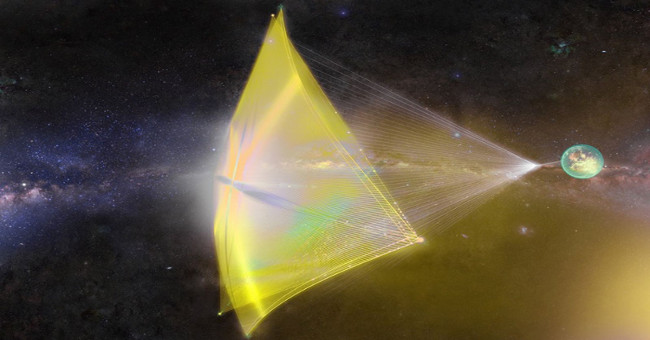
A sailboat that operates with laser light can help a satellite globe travel across the galaxy to gather information about distant lands in space.
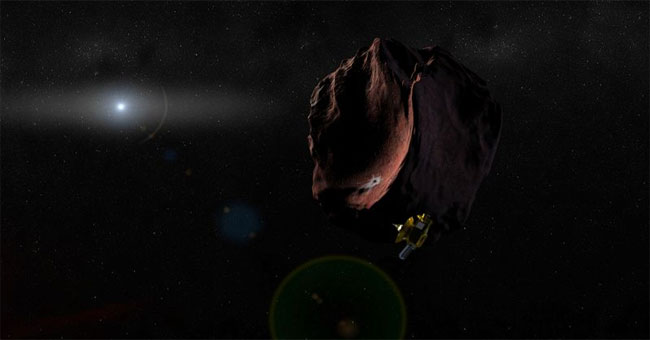
NASA's New Horizons probe is flying very fast towards a mysterious object named

Elon Musk, SpaceX's chairman, said that the number that happened with the Falcon 9 rocket at the Air Base Station in Canaveral, Florida, USA was a quick fire, not an exp…

According to the press agency of the Russian Space Agency Roskosmos, the international space station is like a star moving fast and people can see with the naked eye fro…
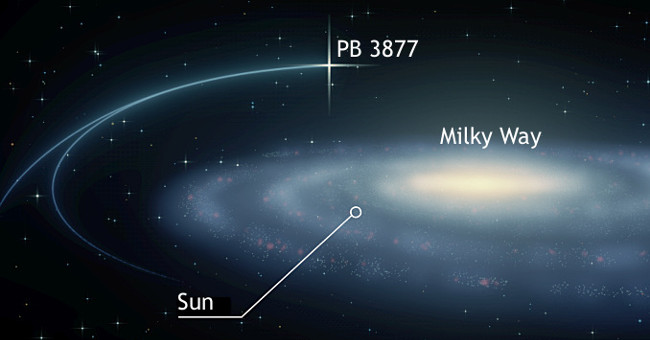
Dubbed PB3877 and located at a distance of 18,000 light-years from Earth, this binary star is not the first super-fast star to be found in our galaxy.