Biology
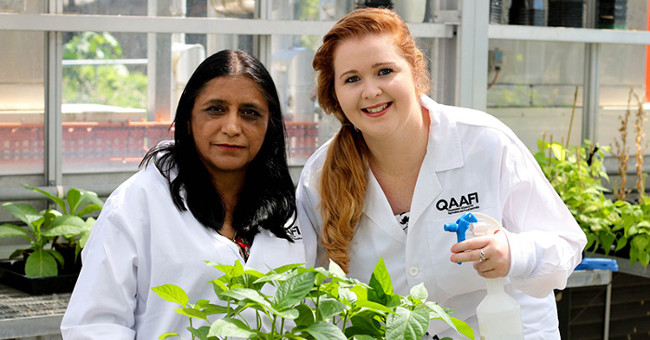
'Vaccinate' plants to fight pests and diseases
Pests threaten crops around the world, greatly affecting food security of many countries. The usual solution used by most farmers is spraying pesticides.
Browse ScienceInfo articles and explainers related to Food.
3,471 published items.
Pests threaten crops around the world, greatly affecting food security of many countries. The usual solution used by most farmers is spraying pesticides.

At first it was just a wild plant species
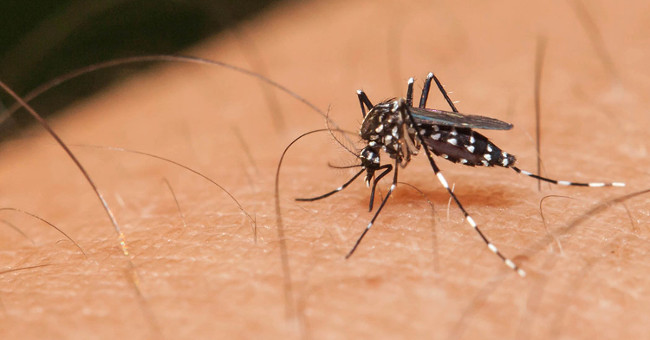
If extinct, 3,500 species of mosquitoes on Earth will now disappear. Among them, about 200 species of mosquitoes are capable of sucking human blood and three species of…

Here are some information and pictures of food crops grown in popularity in Vietnam and around the world.

Probiotics are living bacteria that have been shown to be good for health because they help improve the balance of the intestinal bacteria.
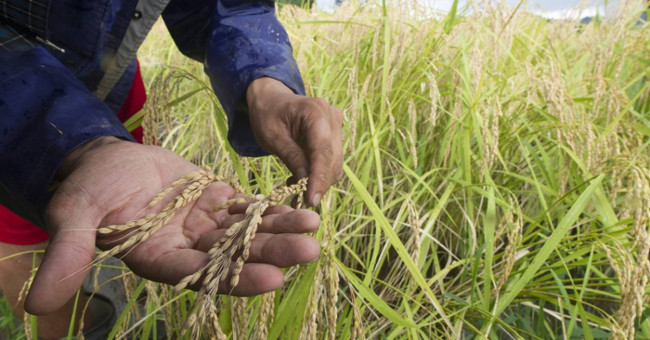
By 2050 there will be 150 million people worldwide are at risk of falling into protein deficiency directly related to the increase in CO2 in the atmosphere.

This is a new discovery that will help researchers in the process of preparing measures to help crops and trees overcome extreme weather conditions.
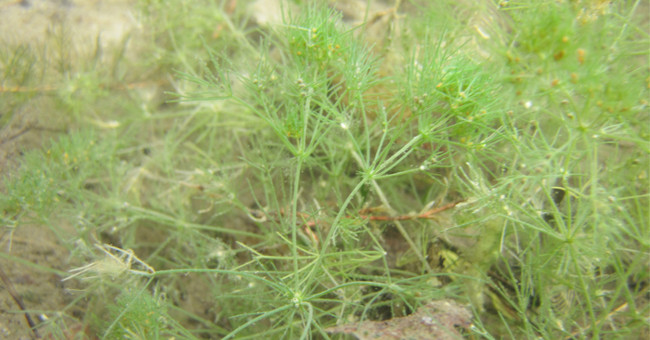
These are large, green algae that provide food and habitat for fish and other aquatic organisms.
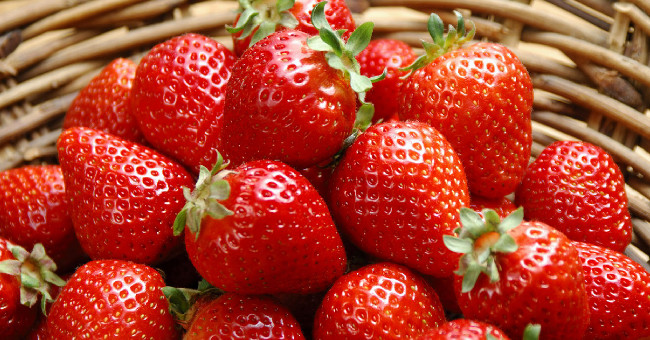
Collectively known as saprophyte, the group of bacteria that break down food is
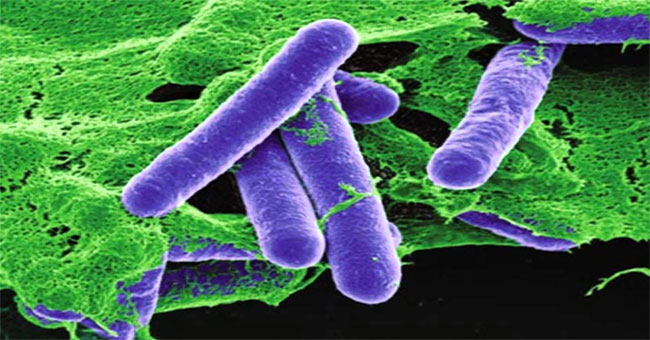
Clostridium botulinum (C. botulinum) was first described by E.van Ermengem in 1897 during a food poisoning in Ellezelles, Belgium.
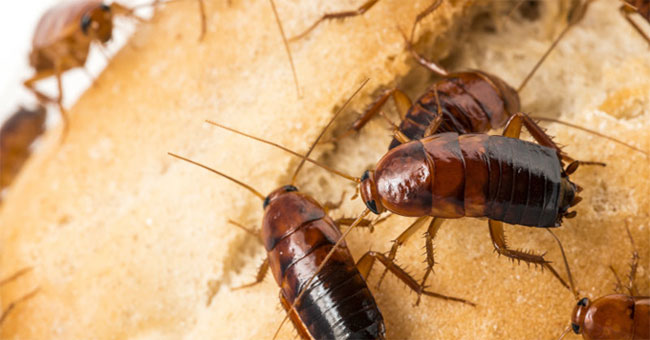
Even in areas where there is no human appearance, cockroaches still exist. So where are they actually coming out?
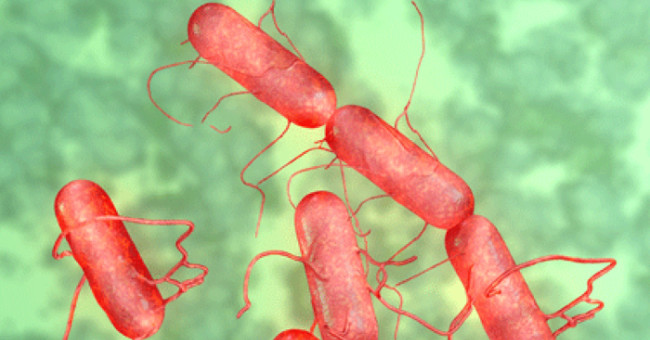
Enterobacteria of Salmonella may be a new tool against brain cancer.
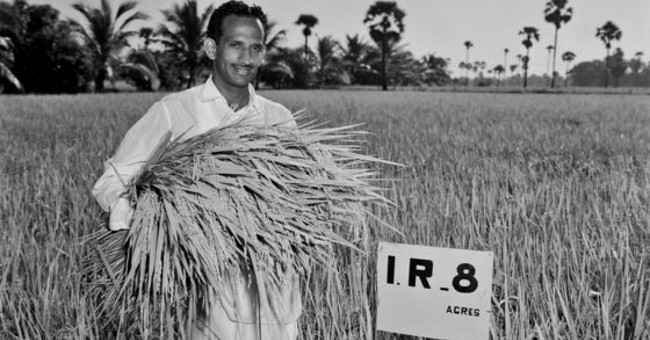
The first rice variety planted by an Indian farmer in 1967 yielded up to 10 tons per hectare as a miracle for saving millions of lives.
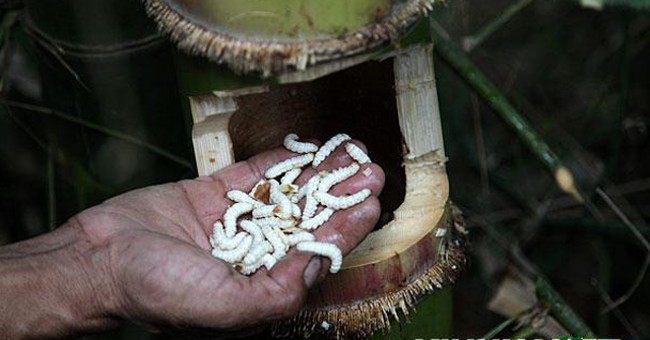
Those who do not know can feel terrified when they see creatures living in this extremely familiar bamboo stalk in Vietnam, but in fact they are a very valuable source o…
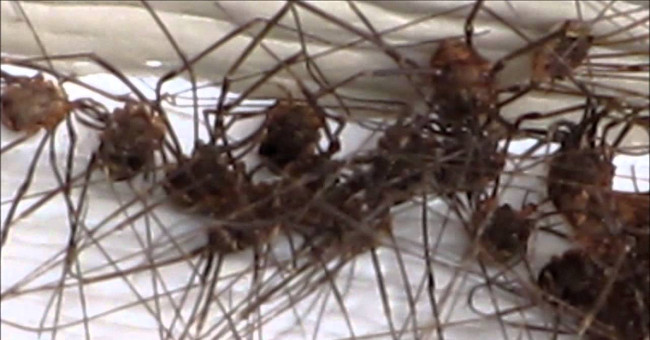
Experts warn that 200 billion long-legged spiders that will hatch after the hot summer will spread throughout the UK in the fall.