
1001 mystery
Giant mysterious circle in Africa
The disappearance of the forest reveals a circle with a diameter of 36 to 46 km in the Democratic Republic of Congo.
Browse ScienceInfo articles and explainers related to Forest.
1,297 published items.
The disappearance of the forest reveals a circle with a diameter of 36 to 46 km in the Democratic Republic of Congo.

Located on the Curonian Cape, which separates the Curonian Lagoon from the Baltic Sea, the drunken forest contains one of the most exotic natural phenomena in the world.

The strange incident occurred continuously since the end of the 1980s: among the lush old forest, deep caverns were found, into a hollow and slippery cave like an eel.
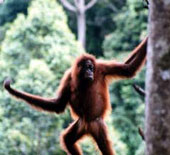
Over the past month, dozens of horrific encounters with the 'Bigfoot' consecutive occurrence in the remote Garo mountains scared people to lose sleep. In this country, t…
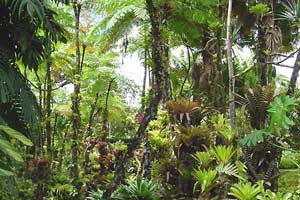
Tropical forests evolve twice as fast as their cousins in temperate regions. This may explain why tropical regions have more species than other regions.
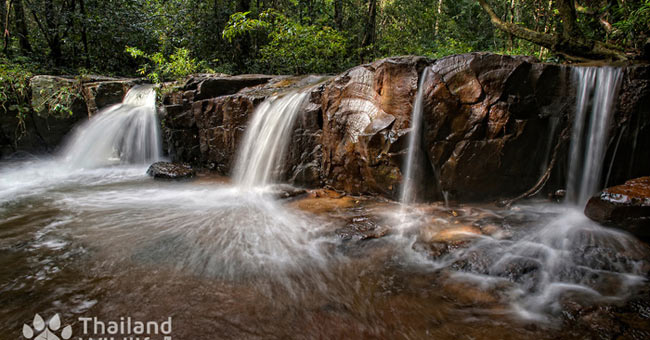
Unesco's Scientific, Educational and Cultural Organization has recognized Dong Phaya Yen - Khao Yai Forest Complex as a World Natural Heritage in 2005.
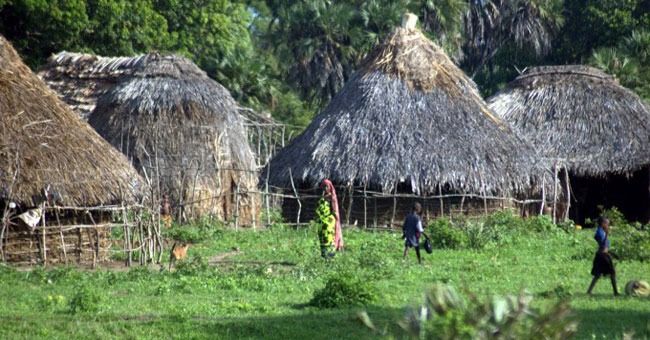
Unesco's Scientific, Educational and Cultural Organization recognized the Mijikenda Kaya forests in Kenya as World Cultural Heritage in 2008.
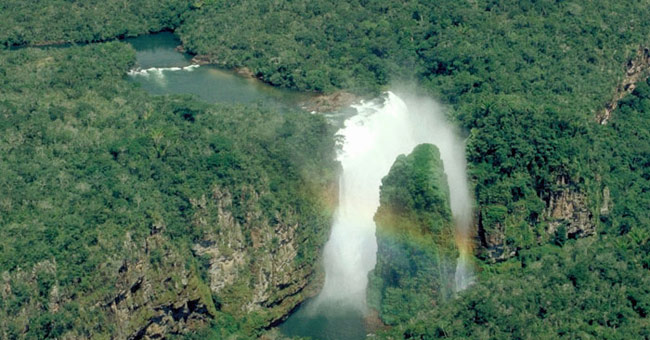
Unesco's Scientific, Educational and Cultural Organization has recognized Bolivia's Noel Kempff Mercado National Park as a World Natural Heritage in 2000.
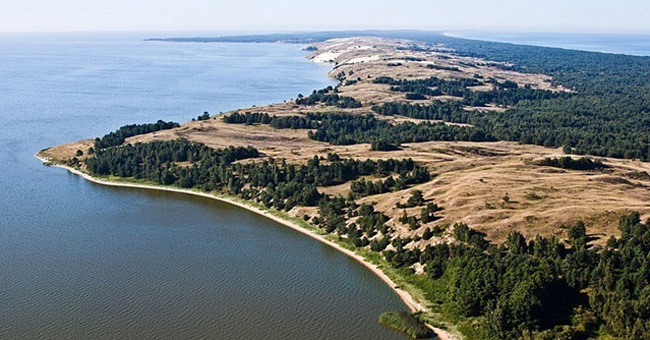
Unesco's Scientific, Educational and Cultural Organization has recognized Lithuania's Kursh Cape as a World Cultural Heritage in 2000 with the Russian Federation.
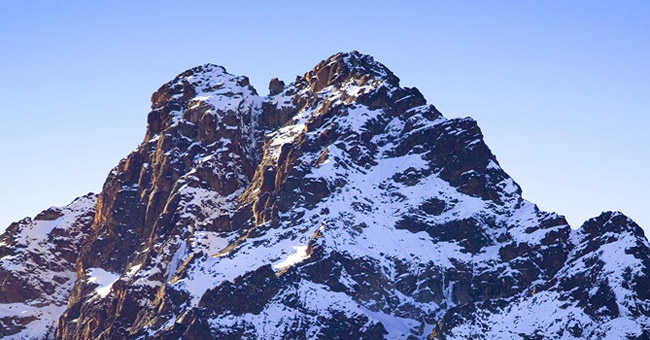
Unesco's Scientific, Educational and Cultural Organization has recognized Kenya's Mount Kenya National Park as a World Natural Heritage in 1997.
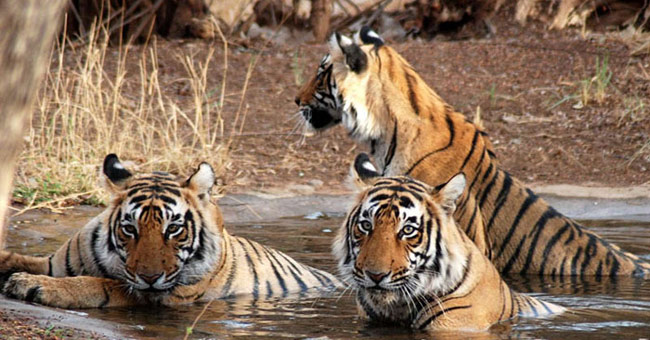
The United Nations Science, Education and Culture Organization has recognized the Sundarbans Conservation Area of Bangladesh as a World Natural Heritage in 1997.
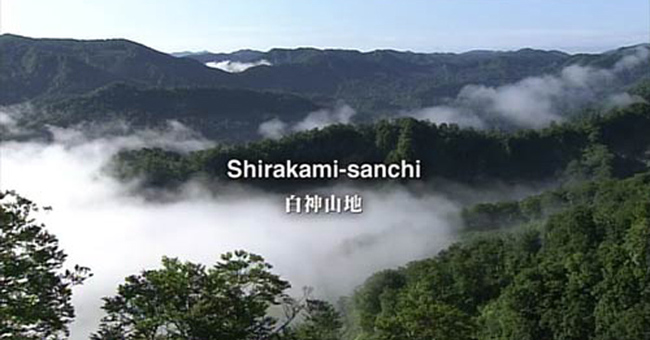
Unesco's Scientific, Educational and Cultural Organization recognized the Shirakami Sanchi Mountains of Japan as a World Natural Heritage in 1993.
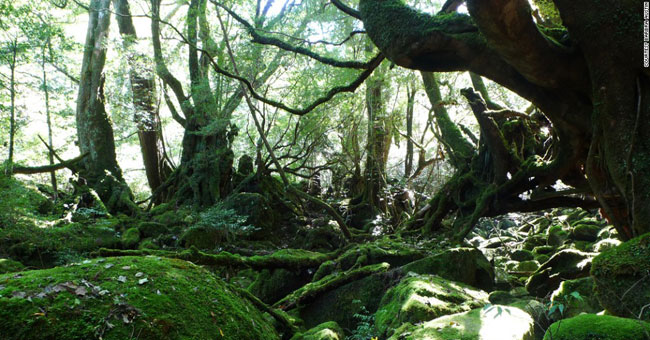
Unesco's Scientific, Educational and Cultural Organization recognized Yakushima Island in Japan as a World Natural Heritage in 1993.
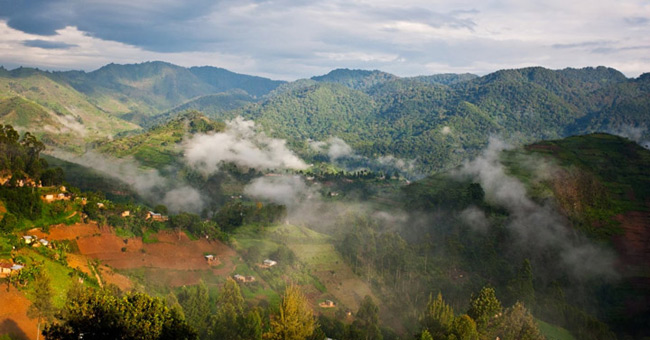
Unesco's Scientific, Educational and Cultural Organization has recognized Bwindi's national park as Uganda's World Natural Heritage in 1994.
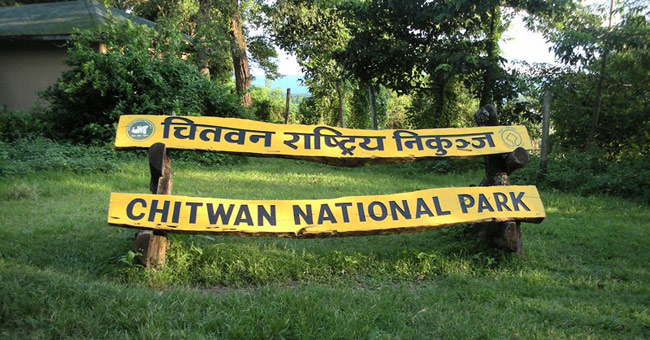
The United Nations Scientific, Educational and Cultural Organization has recognized Chitwan National Park of Nepal as a World Natural Heritage in 1984.