
Archeology
A 375-million-year-old sea monster that grows legs reveals the secret to changing the earth
The sea monsters of the Devonian period are evidence of the evolutionary leap that enabled us to walk on continents today.
Browse ScienceInfo articles and explainers related to Fossil.
1,536 published items.
The sea monsters of the Devonian period are evidence of the evolutionary leap that enabled us to walk on continents today.
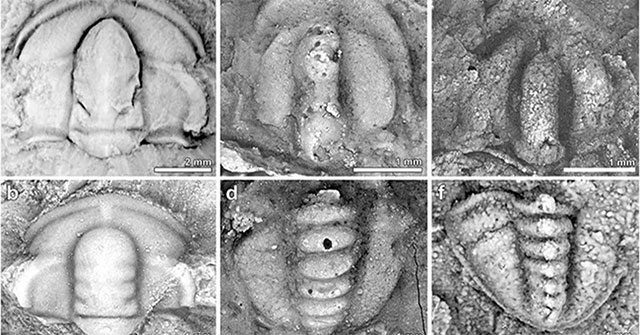
Geological and fossil evidence more than half a million years old has shown that the Earth itself may be the culprit of mass extinctions.
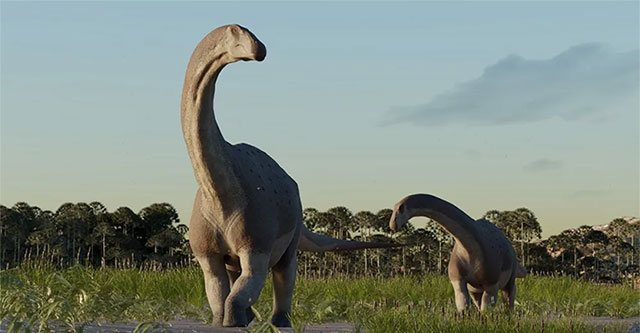
A reporter in Buenos Aires quoted Conicet's announcement as saying that this new species of dinosaur lived in the Patagonia region of Argentina 66 million years ago.

The sea monster's ancient remains were found near Marambio Base, an Argentine Antarctic research station.

This is also the first complete sponge fossil this museum has collected since 1958.
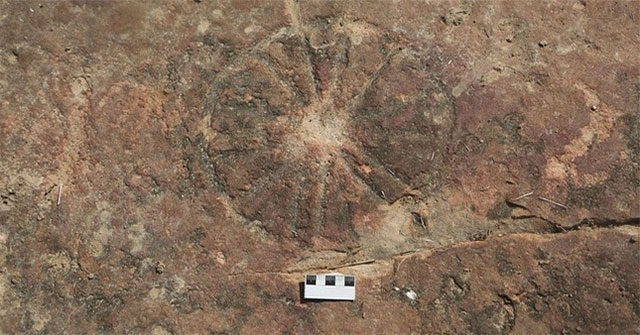
A new study shows that 9,400 years ago, hunter-gatherers in what is now Brazil created dozens of rock art designs next to fossilized dinosaur footprints.
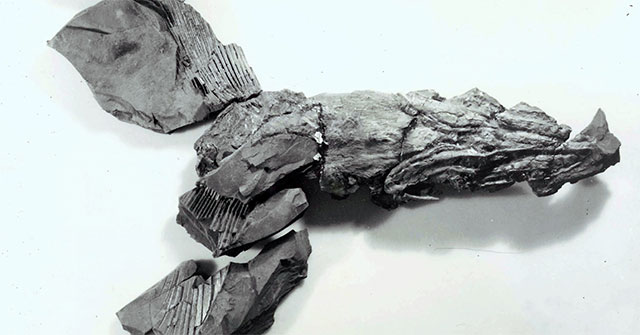
The mysterious shark rose from the dead world after the Devonian extinction, with a completely strange anatomical structure compared to modern sharks.
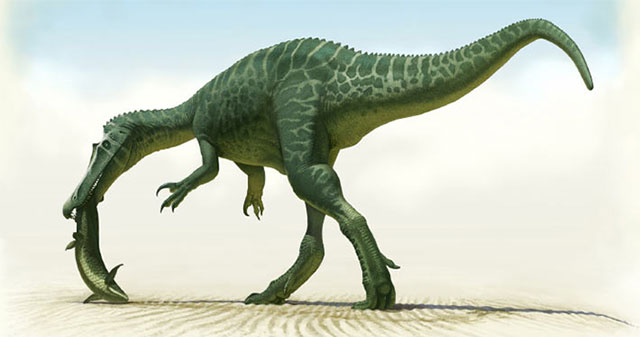
The remains of a 120 million year old beast belong to the group
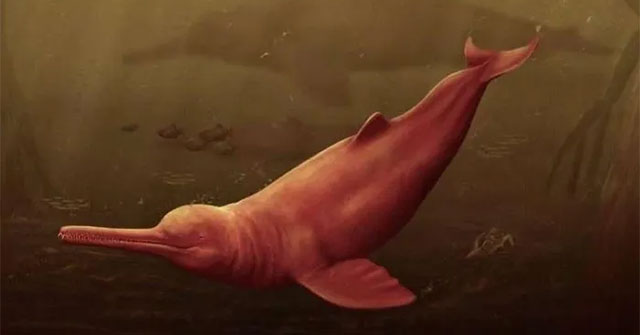
Scientists have discovered the fossilized skull of an extinct giant river dolphin in Peru.
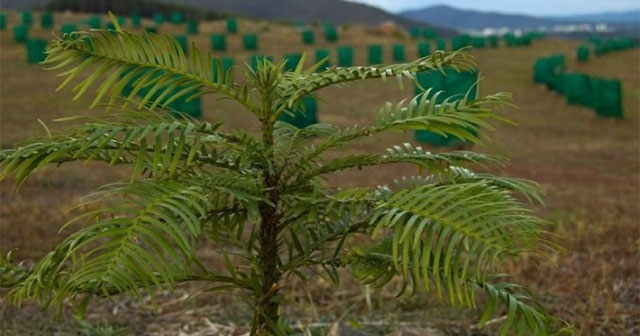
A group of scientists is looking to reintroduce the Wollemi pine, which went extinct 2 million years ago, in the wild.

Scientists have determined
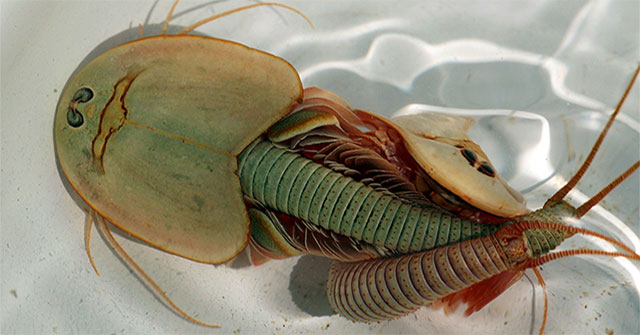
Three-eyed dinosaur shrimp, also known as long-tailed tadpole shrimp, this creature has lived on Earth for 300 million years.
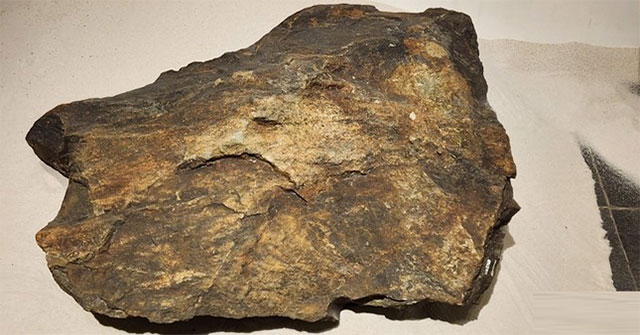
Typical artifacts, attracting viewers' attention at the exhibition ''History of the formation of the earth through a collection of fossil artifacts

In the natural world, no animal can attack a turtle shell directly. Turtles are undoubtedly one of the most successfully evolved species in the wild.
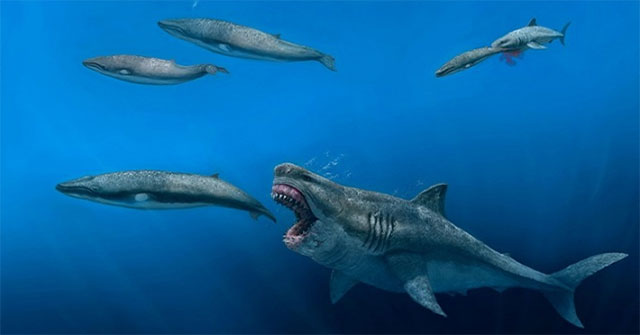
New 3D models of megalodon sharks reveal they could eat prey up to 8 meters long like modern killer whales.